
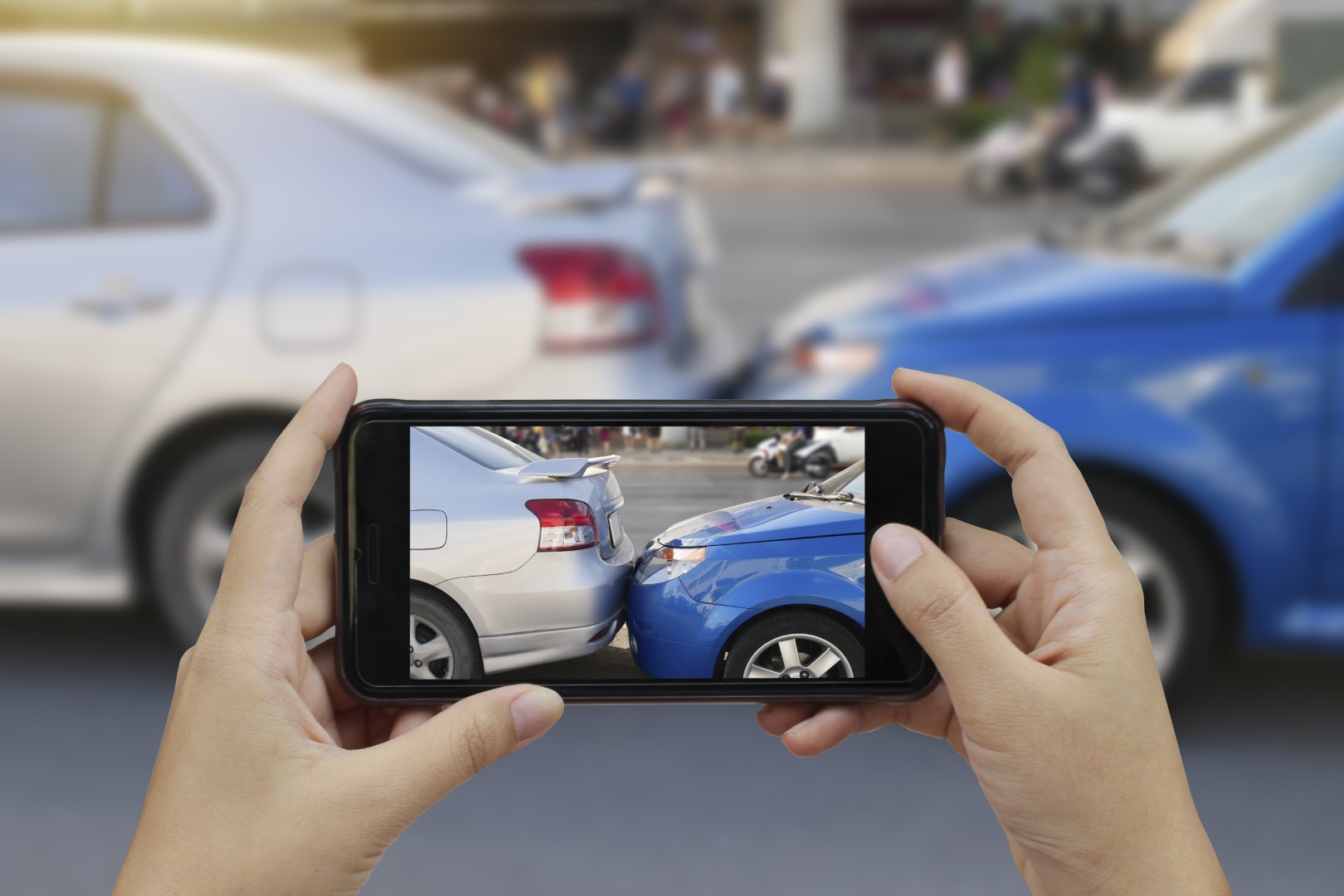
A collision turns an ordinary drive into a blur of noise, adrenaline and flashing hazard lights. Traffic slows to look, horns sound and the natural urge is to clear the road and get home as fast as possible. Yet what a driver notices and records in that first hour often sets the tone for the insurance claim, the repair process and any injury claim that follows. A few calm minutes at the scene can spare weeks of argument later. Knowing what to capture ahead of time makes those minutes far easier to use well.
Crash evidence has a short shelf life. Tire marks wear away, broken glass gets swept up, cars are towed and bystanders leave without giving their names. A driver who documents the scene creates a record that does not rely on anyone’s memory, the other motorist’s included. That record keeps its value long after the tow truck has pulled away. It also gives the driver something solid to point to if the other side’s story starts to shift.
Why the First Hour Carries So Much Weight for a Claim
Insurers build their picture of a crash from whatever evidence exists, and the earliest evidence tends to be the most reliable. Photos taken minutes after impact show where the vehicles came to rest, what the traffic signals looked like and how the road surface appeared. Notes written the same day capture details that memory quietly rearranges within a week. When a car accident lawyer reviews a claim, that early material is often the first thing requested. Gaps in that record are hard to fill once the scene has been cleared.
As described by a leading law firm, the records gathered right after a collision frequently shape how an injury claim is handled from start to finish. Drivers who are unsure how their own paperwork fits together can ask the team at Mann Blake & Jackson to look it over. Injuries do not always show up immediately, so a medical evaluation within a day or two makes sense even for someone who feels fine. Keeping every medical bill, repair estimate and insurer letter together protects a driver’s rights before the insurance company settles on its own version of events.
Safety First and the Camera Second
Before anything else, check yourself and your passengers for injuries and call 911 if anyone is hurt. Switch on the hazard lights, and if nobody is injured and the cars can be moved safely, get them out of the travel lanes. Once everyone is out of danger, start taking pictures with your phone. Wide shots showing each vehicle’s position, nearby signals, road signs and lane markings are every bit as useful as close-ups of the dents. Try to include landmarks in a few frames so the location is obvious to anyone reviewing them later.
Shoot far more photos than seem necessary. Capture all four sides of every vehicle, the license plates, any fluids on the pavement and the weather and lighting at the time. A slow video circling the scene ties those still images together and shows distances more clearly. Visible injuries, cuts and bruises included, are worth photographing that day and again over the following week, since bruising often darkens before it fades.
Information, Witnesses and the Police Report
Collect the other driver’s name, phone number, license number, insurer and policy number, and photograph their insurance card if they agree. Write down the make, model and color of each vehicle involved. Stay courteous and stick to facts, without apologizing or guessing about who caused the crash, because even a polite apology can later be read as an admission. Independent witnesses carry real weight, so ask anyone who stopped for a name and phone number and note where they were standing.
Request a police response whenever there are injuries or significant damage, and write down the report number before leaving. If an officer cannot come, ask how to file a report yourself and do it that same day. Commercial corridors in Anderson see plenty of these calls, and Clemson Boulevard is a familiar example, with fender benders at turn lanes and shopping center entrances during the evening rush. Crashes like those can seem minor at the scene and still grow into costly disputes once the repair and medical bills arrive.
The Car Itself Can Hold Evidence
Your vehicle can fill in parts of the story that photos miss. Dashcam footage should be saved and backed up immediately, because many cameras overwrite older files on a loop. Many newer vehicles also carry an event data recorder that logs speed and braking in the seconds before a crash. Letting your insurer know the car may hold useful data can keep it from being scrapped before anyone looks. Saving a copy of the footage to a second device or cloud account guards against a lost memory card.
Wait to book repairs until an adjuster has seen the damage, or until you have a complete set of photos from every side. Keep the towing receipt and note where the car is being stored, since storage fees climb quickly. If a part appears to have failed, a tire or brake component for instance, ask the shop to set it aside rather than throw it away. A failed part can point toward a manufacturer or a repair shop instead of the other driver.
Building the Habit Before It Is Needed
Nobody expects to crash, yet a little preparation makes that first hour far less chaotic. A glove box stocked with the insurance card, registration, a pen and a small notebook saves fumbling at the worst possible moment. A charged phone and a working dashcam add another layer of protection on every trip. Some drivers also save a short checklist on their phone so they are not relying on memory under stress.
Careful drivers tend to make good record keepers, because both skills come down to paying attention. Staying calm, putting safety first and gathering facts lets the evidence speak on its own. A complete record protects your finances and your right to fair treatment after a collision. It is one of the simplest ways to look after yourself every time you turn the key. The few minutes it takes are a small price for that kind of protection.