
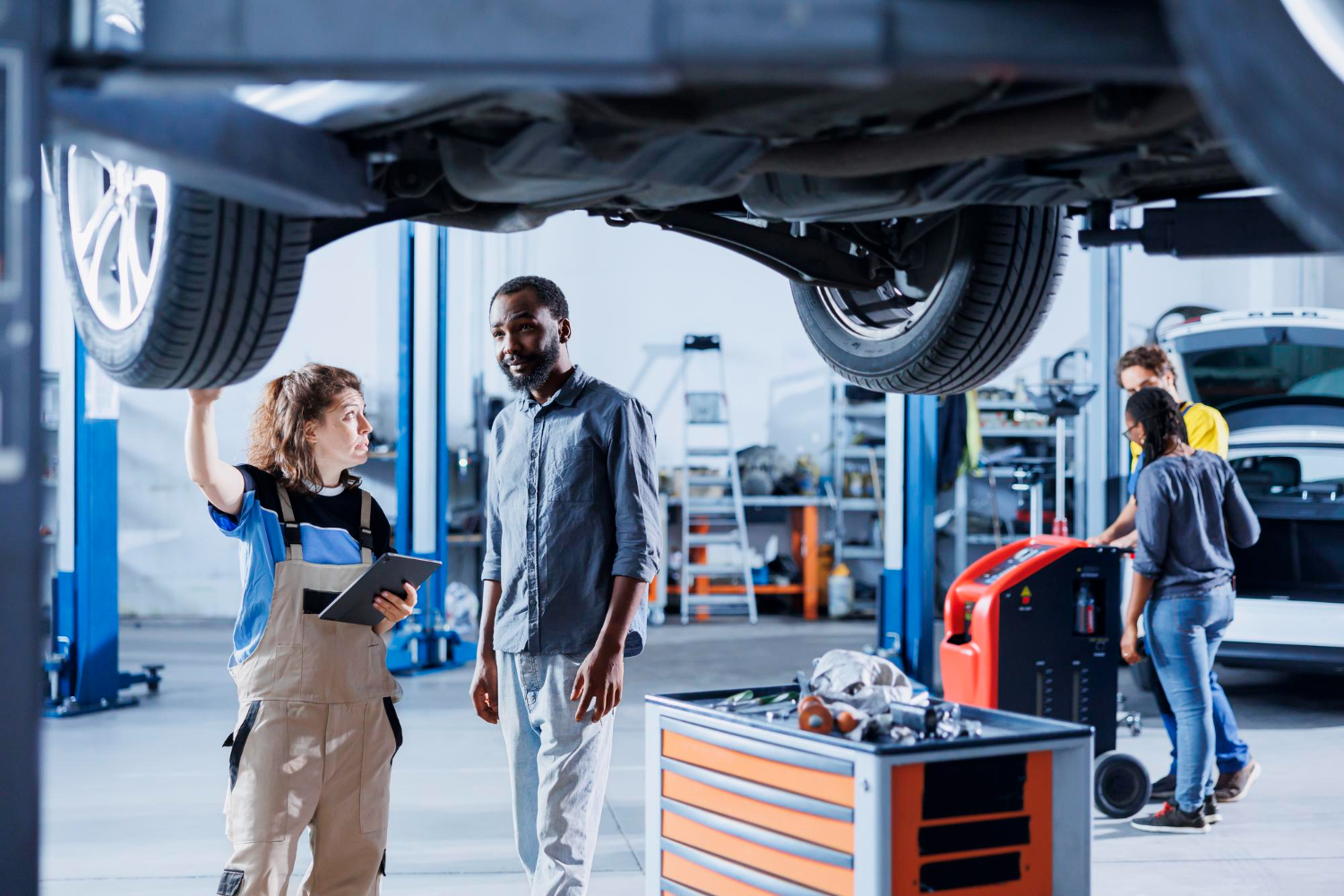
After rising steadily for the past few years and hitting record-high levels during the pandemic, it seems like the winds in the new car market are finally shifting, with the average selling price for just-off-the-line vehicles dropping by 5% since the beginning of the year.
While this might sound like something that calls for celebration, especially for those who are in the market for a new car, one shouldn’t be too hasty to rush to their nearest dealership. The recent price drop, as welcome as it might be, is just one piece of the puzzle, so it doesn’t offer the full picture of what’s going on in the automotive industry at the moment.
As it happens, every other aspect of owning a car is getting more expensive, and vehicle repairs seem to be weighing heavily on car owners’ budgets. So, although you might be able to get a better deal on a new car now than you would have a couple of years ago, you also need to buckle up for pricier repairs in the long run.
The hefty price tag of vehicle repairs
Anyone who has ever owned a car knows that the total ownership costs involve much more than the initial purchase price and the monthly loan payments. Registration, fees, taxes, fuel, insurance, and depreciation are also included in the equation. And, of course, there are the costs associated with maintenance and repairs – the kind of expenses that many tend to leave out of the list.
Timely and adequate maintenance can indeed go a long way in keeping common car issues at bay and lowering auto repair costs, but even if one takes great care of their car, some repairs are simply unavoidable, particularly in older vehicles. Unfortunately, the price of car repairs has been skyrocketing as of late, and owners are left scratching their heads when they get hit with huge mechanic bills.
According to data from the U.S. Bureau of Labor Statistics, motor vehicle maintenance and repair costs in the US rose by 4.1% per year between November 2013 and November 2023, while the overall consumer price index increased by only 2.8% per year during the same period. The trend began to pick up pace after the pandemic when costs started to increase at an annual rate of 10% as opposed to the 3% to 5% registered in the previous years.
The Consumer Price Index for All Urban Consumers for June 2023 also shows that getting a car fixed was 20% more expensive compared to the previous year, being among the largest increases of all household goods and services. The AAA reports that a visit to the auto shop for common car repairs could have consumers shell out $500 to $600.
This price increase is worrisome to say the least, considering that cars have become an indispensable aspect of life in modern society. For most people, driving a car is an absolute necessity, not an option or a luxury, as it’s the only way for them to get around in many areas outside big cities like New York or San Franciso. So, many find themselves stuck in a paradoxical situation where they can’t afford to own a car but they can’t afford to not own a car either.
The factors driving the price surge
Since the rising car repair costs are a reality we can’t deny or avoid, the least we could do is understand what’s causing the prices to surge, so we can make sense of what is happening and know what to expect from now on.
According to experts, the price hike has been prompted by a combination of factors. For starters, cars these days are more technologically advanced than their predecessors which means they are more robust and provide a higher level of safety. But this advanced tech also makes them more expensive to repair. Most modern vehicles boast a variety of features like auto emergency braking, lane assist systems, blind-spot monitors, collision avoidance sensors, and so on. Fixing these innovative systems requires time and specialized expertise, which obviously translates into higher costs.
Issues within the supply chain have also contributed to the phenomenon. During the pandemic, most auto shops and service providers experienced shipping delays which resulted in auto parts shortages, and many of these issues continue to the present day. With routine processes like having standard or customized bearings delivered from a bearing manufacturer, being hampered, many car parts and therefore car repairs have become costlier.
It’s equally important to note that the average lifespan of a car is gradually increasing as people are keeping their vehicles for longer. In the US, the average vehicle age has recently hit a record high of 12.5 years. More older cars on the road means the frequency and likelihood of major car repairs is bound to increase and with it, the amount of money consumers have to pull out of their pockets when fixing their cars.
Last but not least, one has to point out the shortage of qualified auto technicians. A lot of experienced technicians retired and there aren’t enough new professionals to fill in their spots, so those who are still in the industry are working longer hours and have higher wages. The severe lack of skilled car mechanics and repair technicians which has been an issue for years now and is only getting worse coupled with an increased demand for repair services explains to some extent the rising cost trend observed recently.
With vehicle repair costs going up, it would be good for consumers to do the math twice and consult their budget carefully before deciding to invest in a car. And for those who own a car already, preventive maintenance should be a non-negotiable if they want to cut back on expenses.