
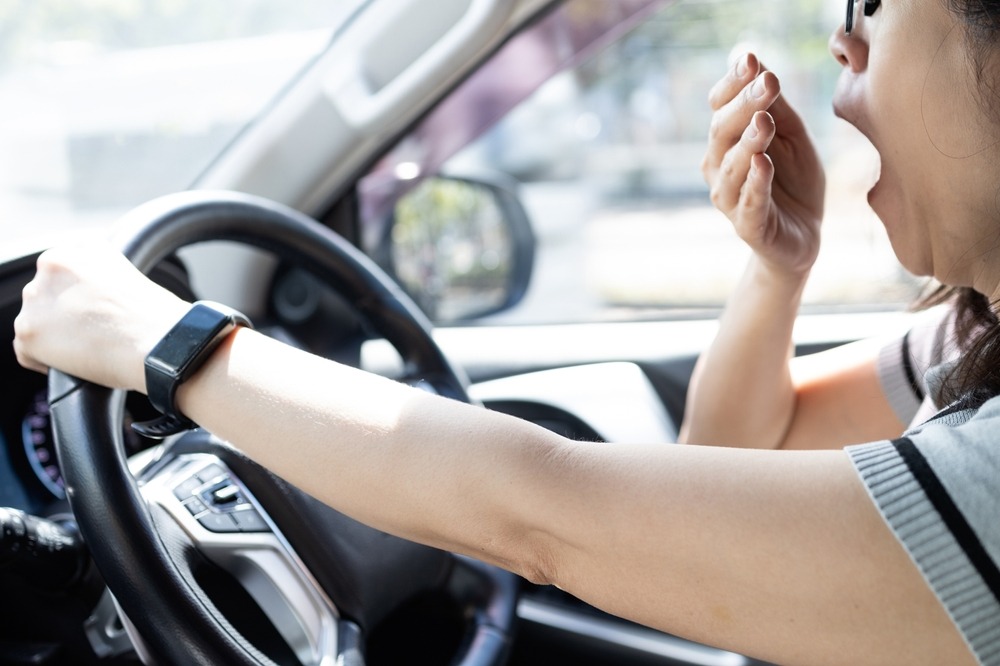
Drowsy driving accident claims in Tampa, FL, can be difficult to prove because fatigue is not always easy to spot after a crash. A driver may have slow reactions, drift between lanes, or fail to notice traffic changes without ever admitting to feeling sleepy. These details can make it harder to establish what caused the collision and who was responsible.
Witness accounts, driving records, and other evidence may help explain what happened. For injured people, a drowsy driving accident lawyer in Tampa, FL, may help address the disputes that can complicate these claims.
1. Proving That the Driver Was Drowsy
One of the biggest challenges is showing that fatigue played a part in the crash. Unlike alcohol impairment, drowsiness does not usually have a simple test that proves a driver was too tired to drive. A driver may look alert after the collision, even if tiredness affected their reactions before it happened.
Investigators may look for signs such as a vehicle drifting between lanes, failing to brake, or leaving the road without a clear reason. Dashcam footage, witness accounts, phone records, and work schedules may also help explain the driver’s condition. Without clear evidence, connecting fatigue to the crash can be difficult.
2. Drivers May Deny Feeling Tired
A driver may admit that a crash occurred but deny being too tired to drive safely. They might blame poor visibility, a sudden movement by another vehicle, or an unexpected road hazard instead. These different accounts can make it harder to agree on what caused the collision.
The driver’s statement is only one part of the evidence. Police reports, photographs, witness accounts, and details about the vehicle’s movements may help test whether the explanation fits the facts. In Tampa, FL, as elsewhere, a denial does not automatically settle responsibility, but conflicting accounts can make an investigation take longer.
3. Other Parties May Share Responsibility
Some drowsy driving claims involve more than the person behind the wheel. For example, a commercial driver may have worked long hours before a crash, or an employer may have placed pressure on a driver to meet an unrealistic schedule. These details may raise questions about whether another party contributed to the accident.
However, an employer or another business is not automatically responsible just because the driver was tired. Their role must be examined based on the facts, the working relationship, and the law that applies. Identifying other potentially responsible parties can make the investigation more complex because it may require extra records and separate accounts of what happened.
4. Insurance Companies May Dispute Fault
Even if a driver appears to have been tired, the insurance company may question whether fatigue actually caused the collision. It may argue that the evidence is unclear, that another factor caused the crash, or that the injured person also contributed to what happened.
These disputes can slow settlement talks because the parties may disagree about both responsibility and the strength of the claim. Medical records, crash reports, witness statements, and other supporting evidence can help answer these questions. A careful review is important because a claim needs to connect the driver’s conduct to the collision and the injuries being reported.
5. The Full Cost of the Injuries May Be Unclear
Drowsy driving crashes in Tampa, FL, can cause injuries that need more than a short hospital stay. A person may need surgery, physical therapy, follow-up appointments, or long-term care. The full effect of an injury may not be clear during the first few weeks, especially if recovery takes longer than expected.
This uncertainty can lead to disagreements over the amount of compensation being claimed. Insurers may question future treatment costs or ask for more proof of lost income and other losses. Medical reports, treatment records, bills, and employment documents can help show how the injuries affect the person’s health, work, and daily activities.
6. Florida’s Laws and Deadlines Can Add Challenges
Florida’s laws can affect how a drowsy driving claim is handled. The state generally follows a modified comparative negligence rule, meaning an injured person’s share of fault may reduce compensation. If that person is found to be more than 50% responsible for their own harm, recovery is generally barred under this rule, subject to applicable legal details.
Filing deadlines also matter because missing the time limit may affect the right to bring a claim. The deadline can depend on the circumstances and possible exceptions, so it should not be assumed to be the same for every case. These legal questions can add another layer to an already disputed claim.
Making Sense of a Difficult Claim
The outcome of a drowsy driving claim often depends on details that may not be obvious from the crash alone. Driving patterns, witness statements, and the driver’s actions before impact can all help explain how the collision occurred.
Medical records and financial documents also matter when assessing the harm suffered by injured people. A drowsy driving accident lawyer in Tampa, FL, may review these details to identify gaps in the evidence and address disputes over fault or compensation.