
#AD. In the interest of disclosure and transparency, the syndication of this article has been provided and paid for by FBD Insurance
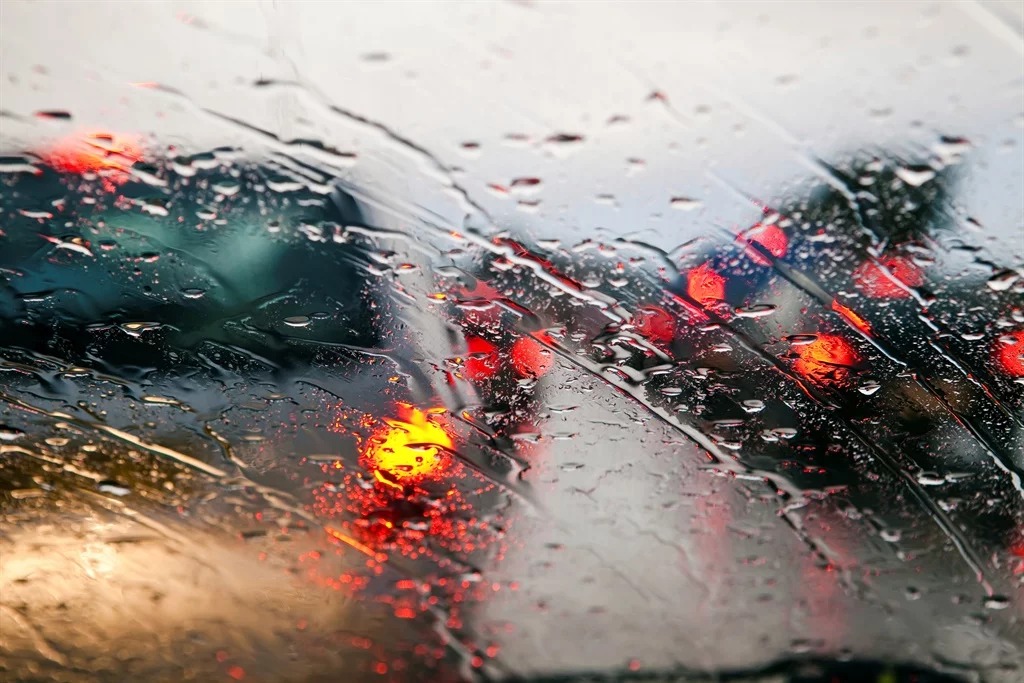
Driving during downfalls can be dangerous, even for skilled drivers. When visibility is affected and the roads get wet and slippery, your vehicle can become difficult to control.
FBD Insurance has provided some top driving tips for tackling torrential rain safely this season.
Slow down
Reducing speed will also decrease your stopping distance. It will allow your car to pass through puddles smoothly, without spraying pedestrians or other road users. Driving at a safe speed will help you avoid “aquaplaning” or water build-up under your tyres, so you maintain maximum traction and steering ability on the road.
Allow sufficient distance
Your stopping distance on a wet road can be more than on dry roads, so give yourself plenty of time to stop. At a minimum, you should follow the 4-second rule to allow a safe distance from vehicles in front. Take particular care when driving behind trucks and lorries, as the spray from larger vehicles can be blinding to other drivers.
Maintain visibility
Good visibility is crucial for driving in poor weather. Use dipped headlights during the day so you are easily seen on the road. Fully functioning heating and air conditioning is also important during heavy rain, as you will need to demist your windows to prevent them from fogging-over.
Check your tyres
Make sure your tyres are in great condition and that they are perfectly inflated for good traction with the road. To maximise safety, a tread depth of at least 3mm on every wheel is best. When threads are worn there is nowhere for water to go and your car will effectively be “floating” on the rain.
Windscreen wipers
If your windscreen wiper blades don’t clear the glass in a single swipe, replace them. If they squeak or skip across the window as they wipe, it’s time to start considering a new pair.
Avoid cruise control
Cruise features work well in dry conditions, but when used in rain, the chances of losing control can rise. To prevent loss of traction, you may need to reduce the car’s speed by lifting off the accelerator rather than breaking. This cannot be accomplished when your cruise control is on.
Beware of skidding
Your goal should be to prevent a skid from ever happening so that you never find yourself trying to recover from one. However, if you do feel your car beginning to skid, it’s important not to panic:
- Stay calm and grip the wheel with both hands.
- Continue to look and steer in the direction you want the car to go.
- Avoid further sudden braking or acceleration, which might worsen the skid.
- If breaking is what caused the skid, ease gently off the breaks and back onto the accelerator to correct it. If acceleration caused the skid, ease gently back off the accelerator.
Driving through water
Avoid driving through deep water by following the highest section of the road. After going through the water, drive slowly with your foot on the brakes over a short distance to dry them off. If you can’t see where you’re going to emerge from the water, or the road is flooded, find another route.
Plan ahead
Watch weather reports and road conditions prior to a long-distance drive or before driving to isolated areas. Take your time and give yourself plenty of time to get to your destination safely.
If the conditions are too bad, don’t take the risk. Delay your trip or consider an alternative method of transport.
If you have no other option than to drive please ensure that your Car Insurance is in date. If you need a Car Insurance quote why not consider FBD Insurance.