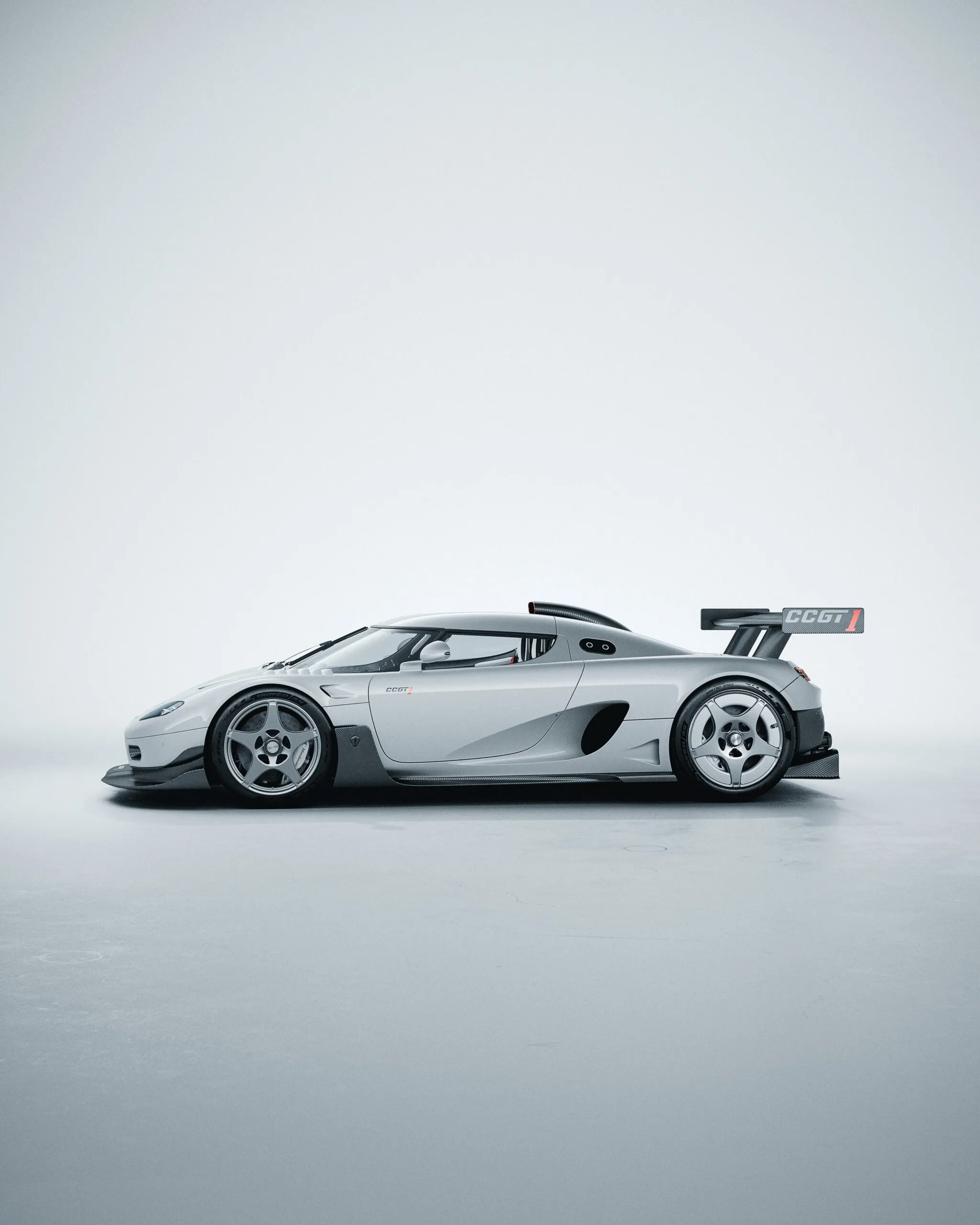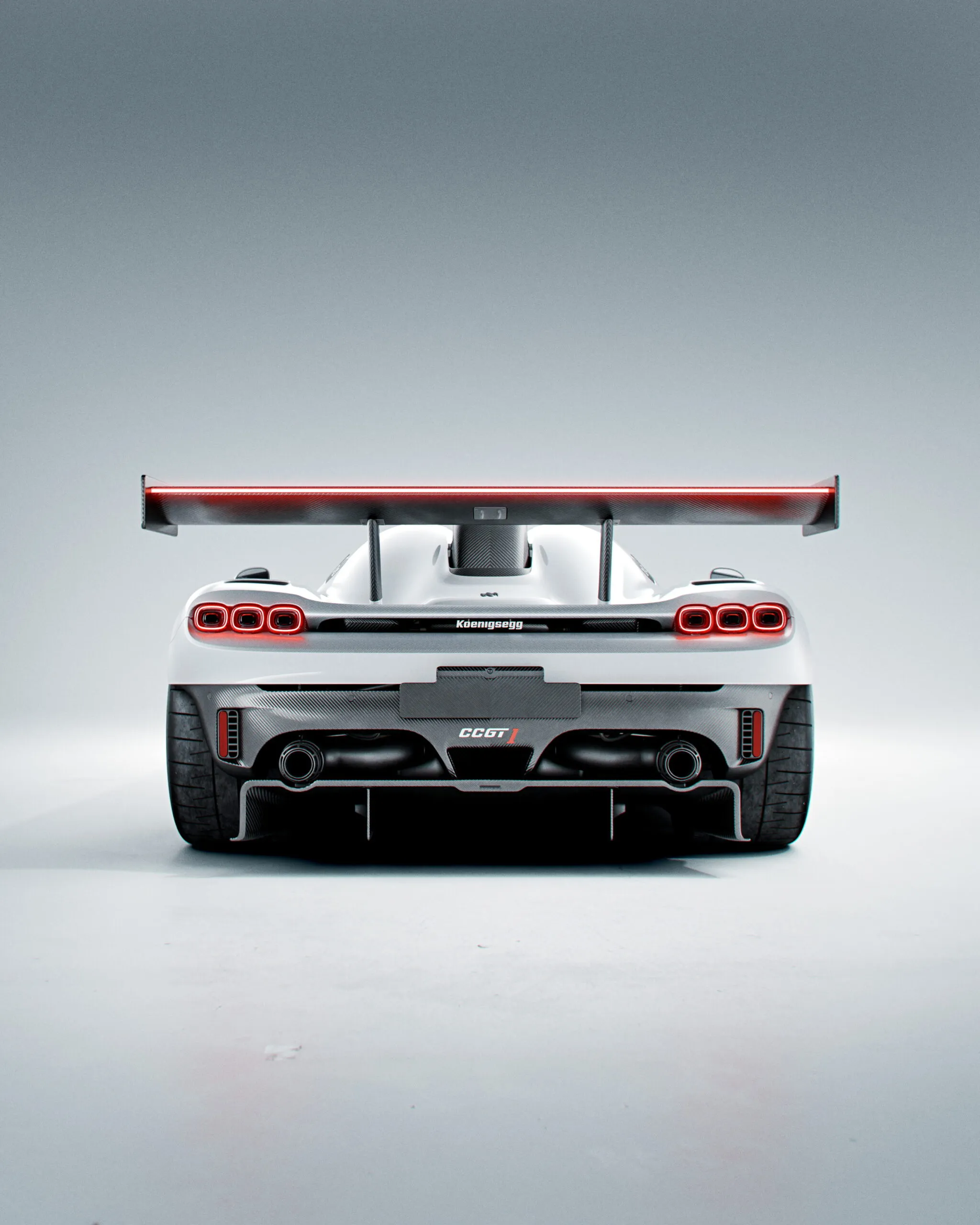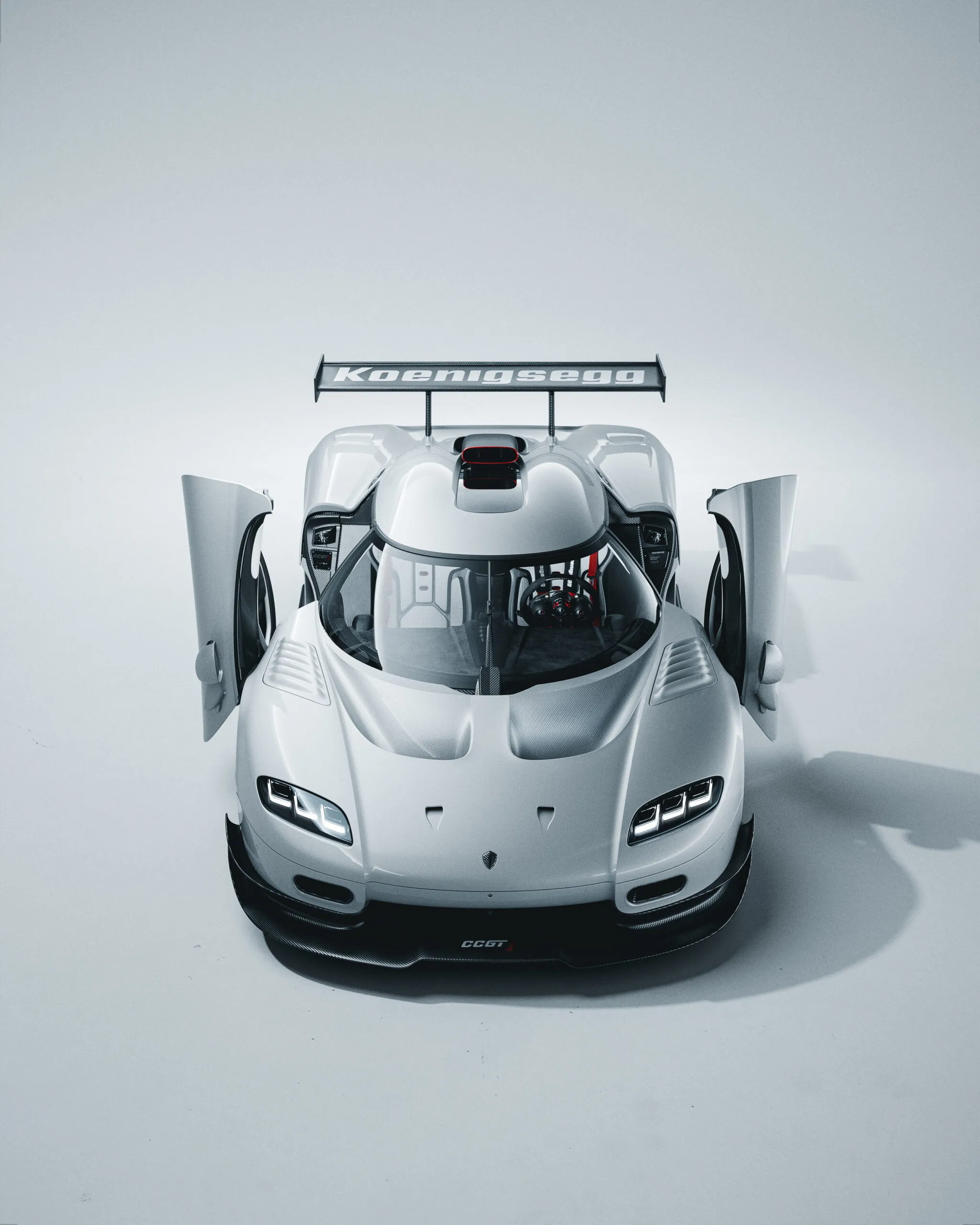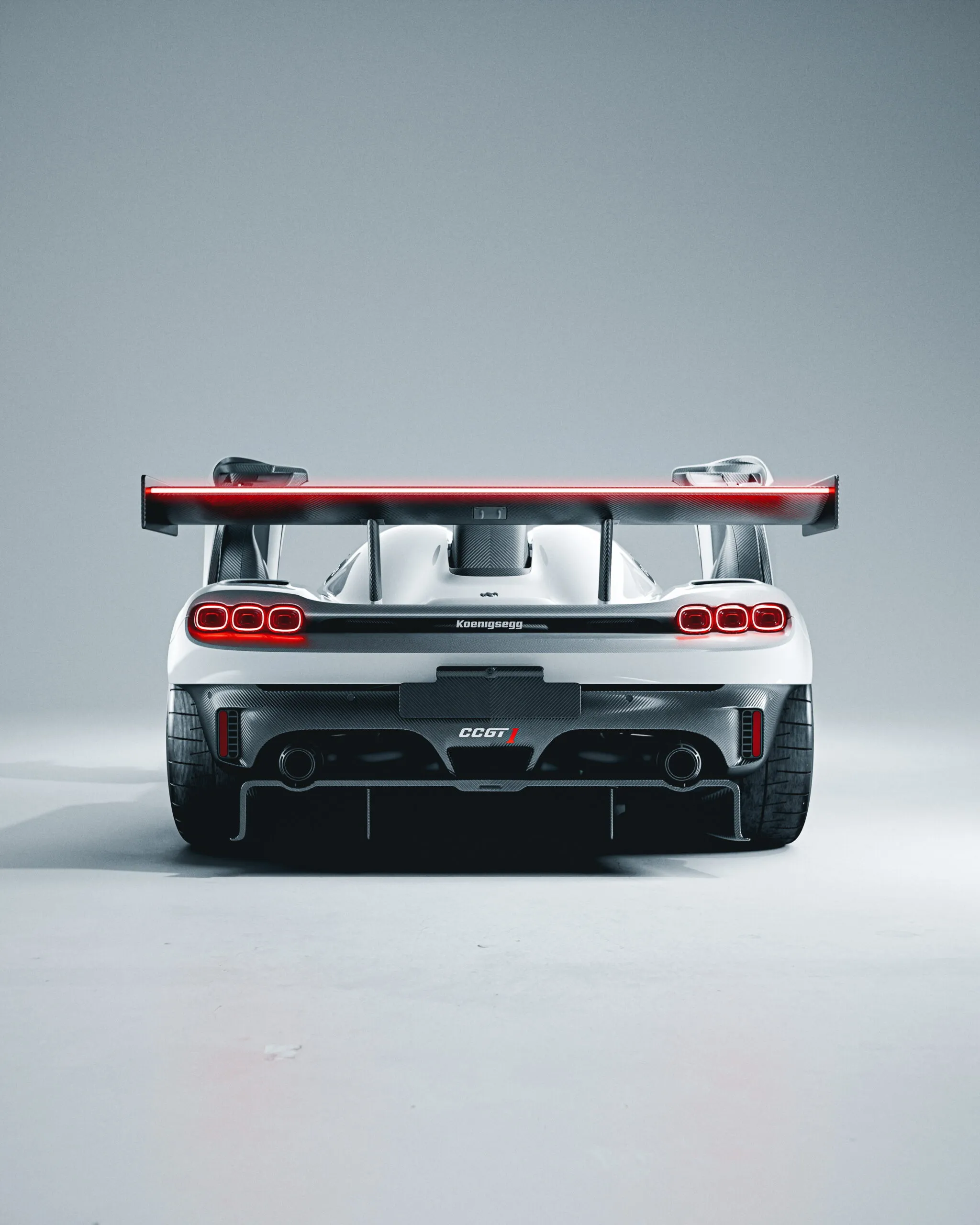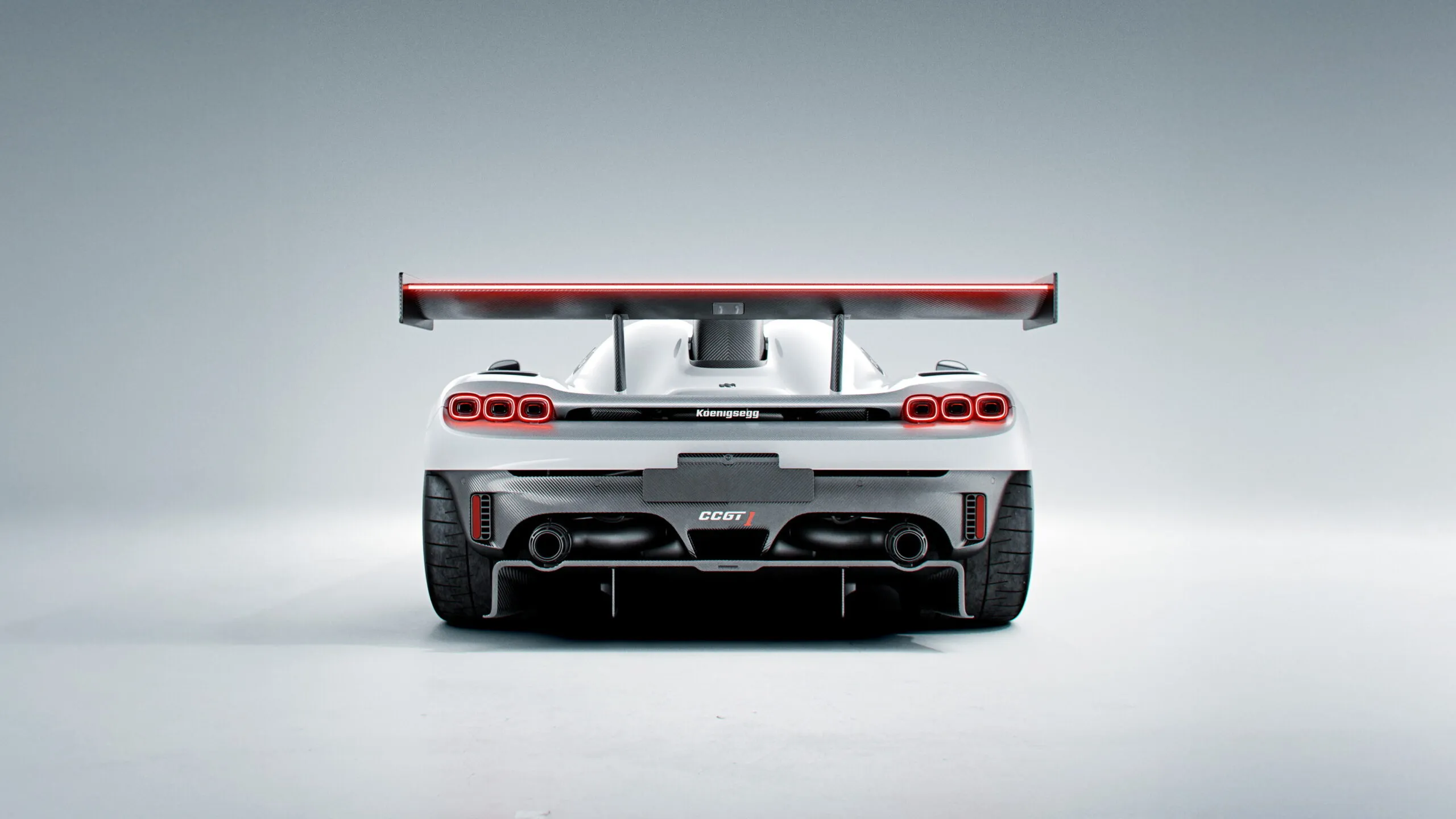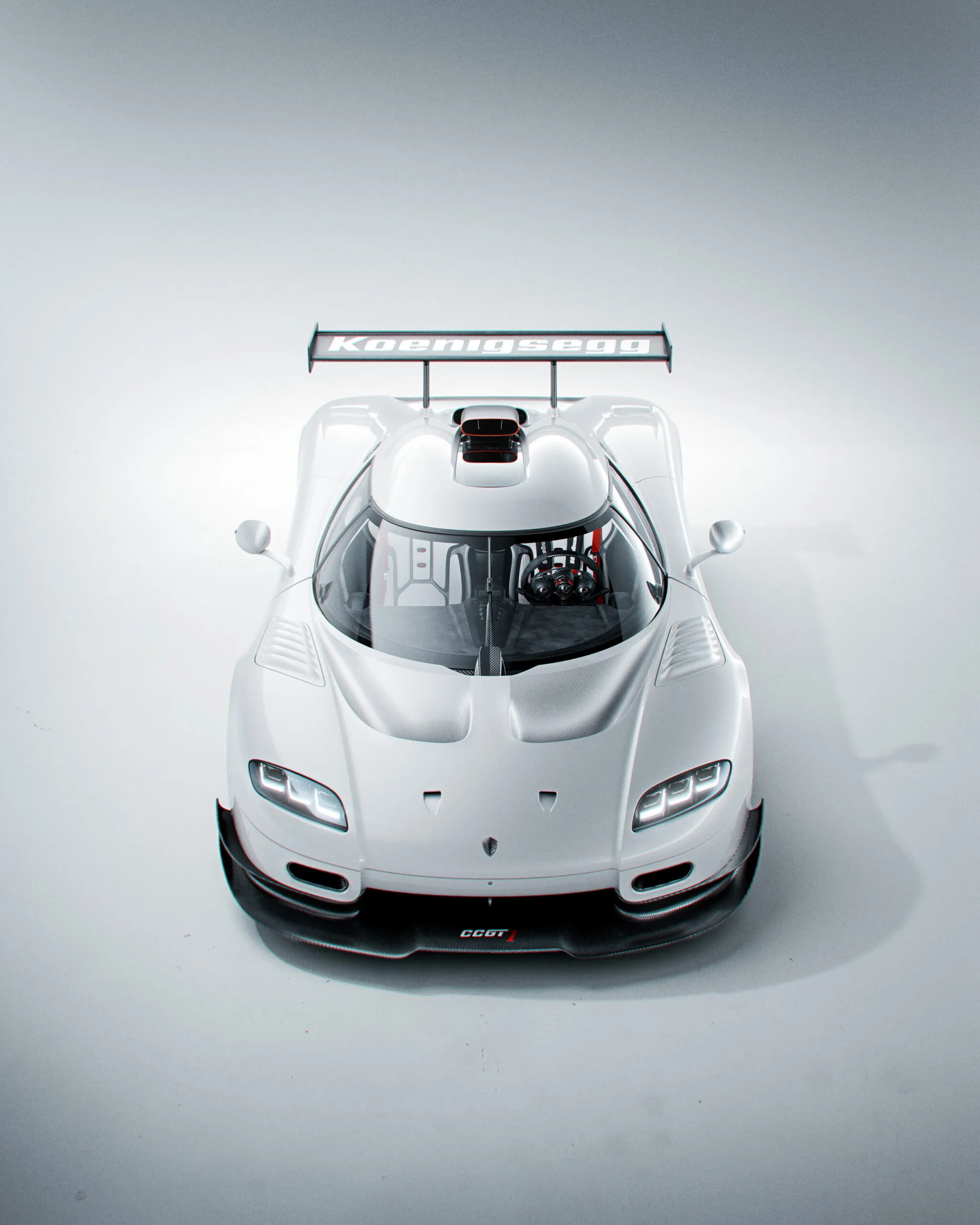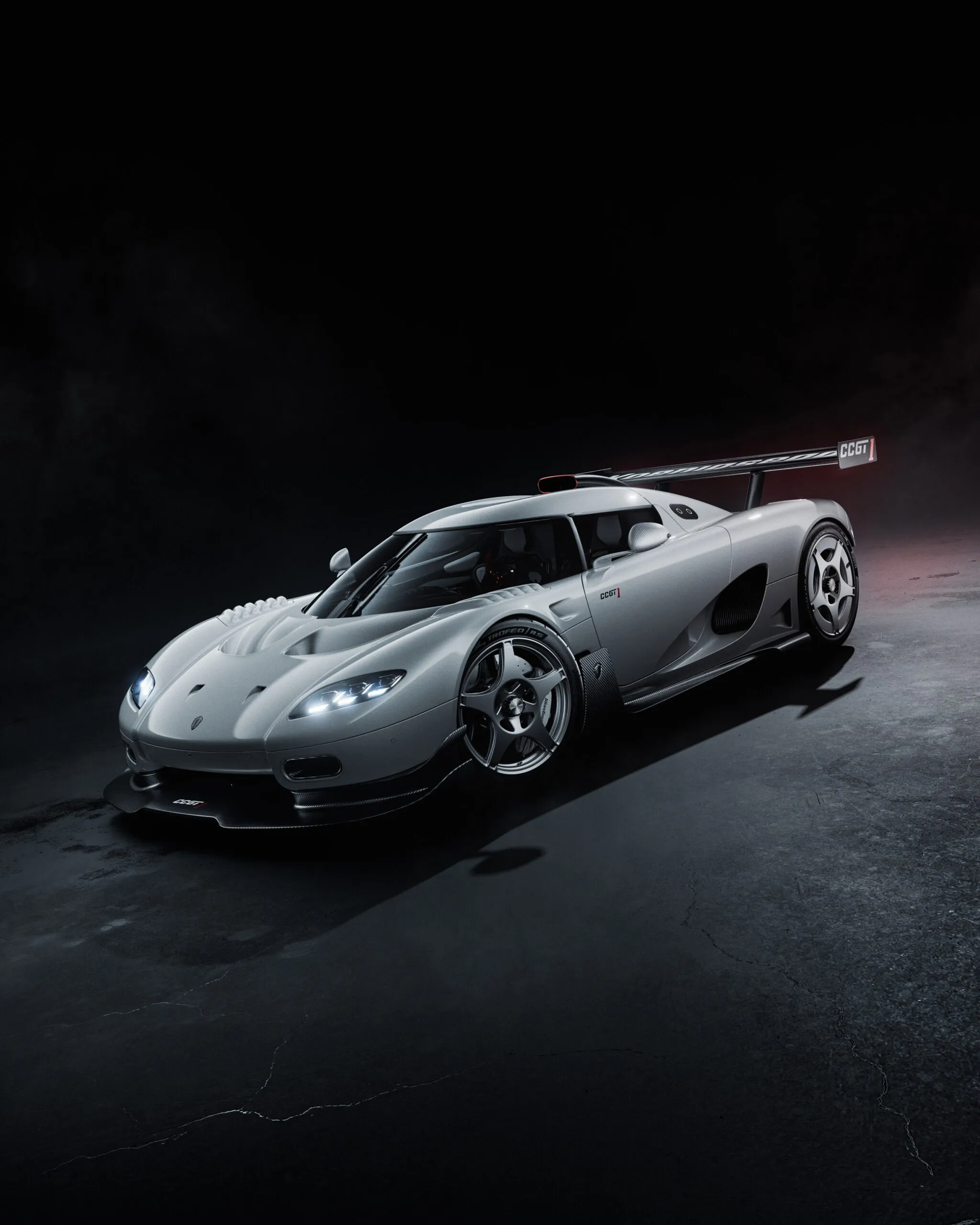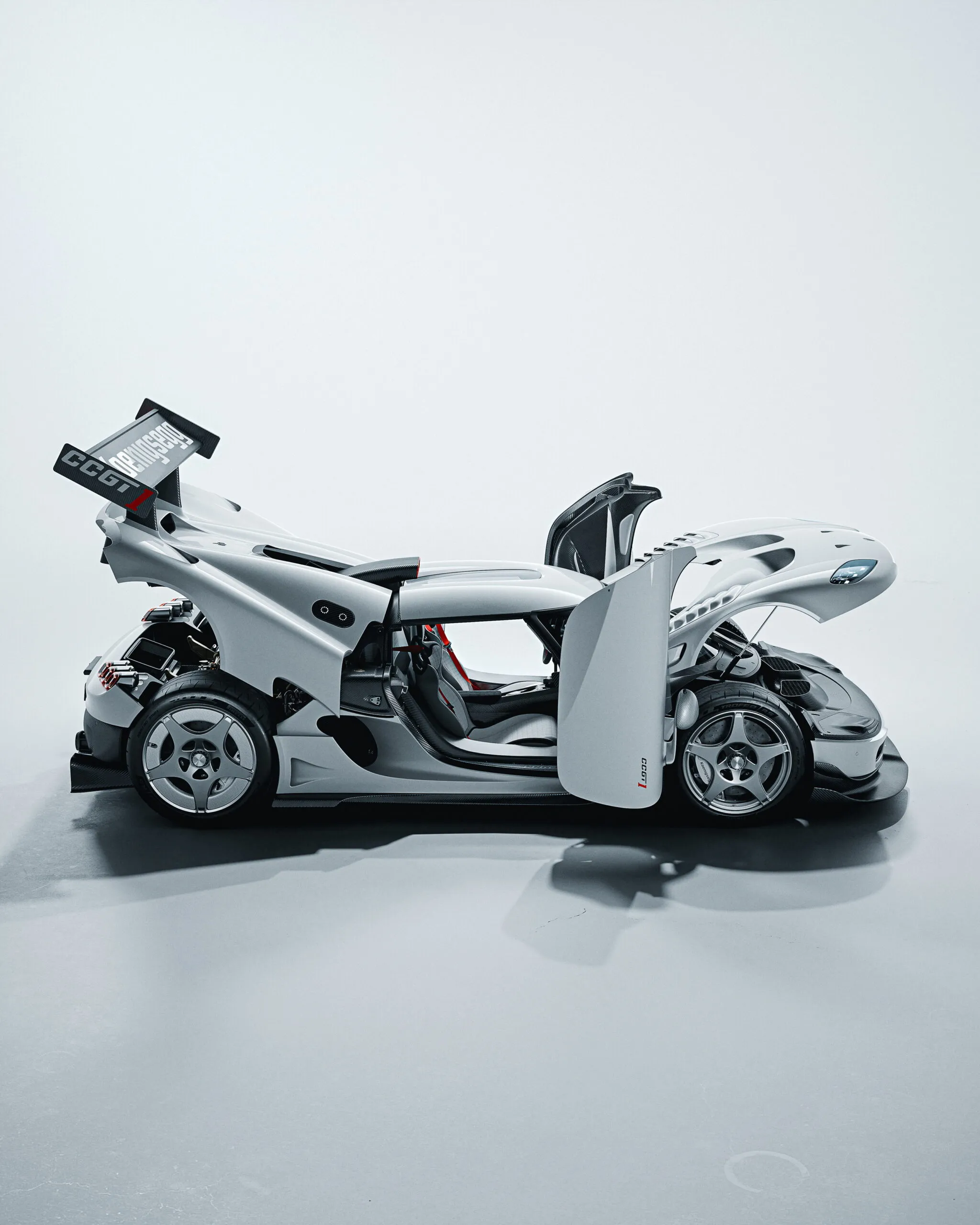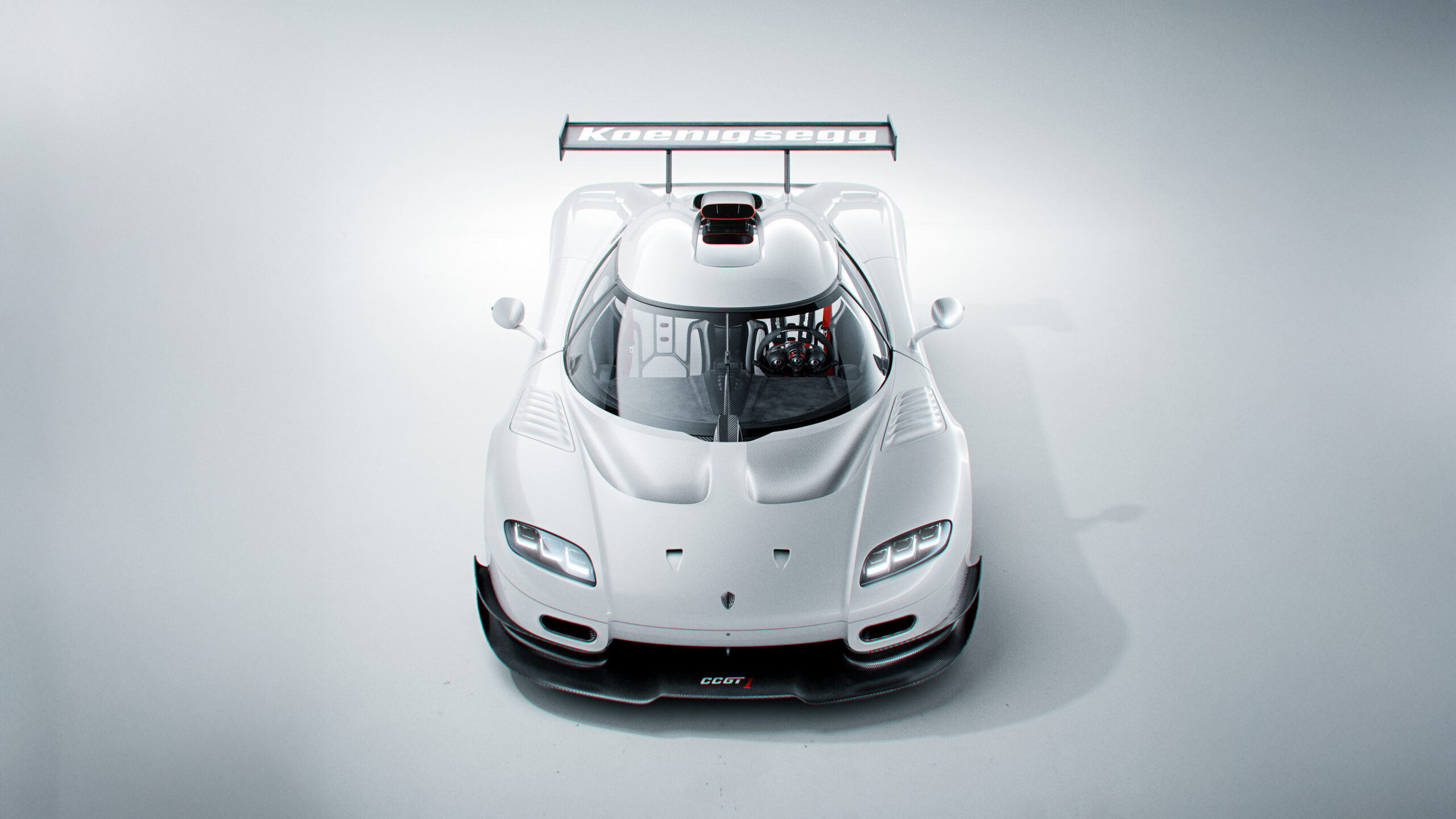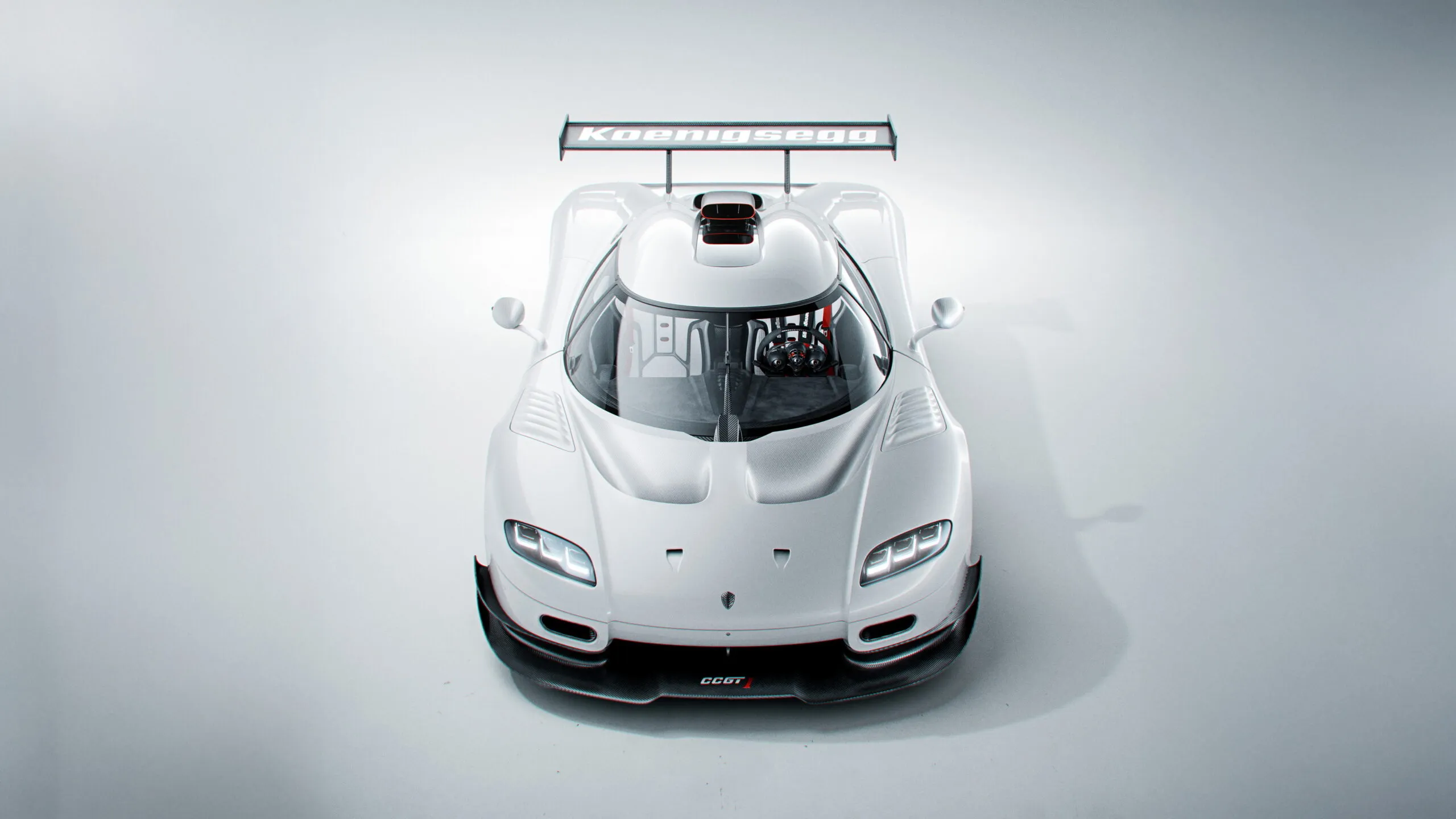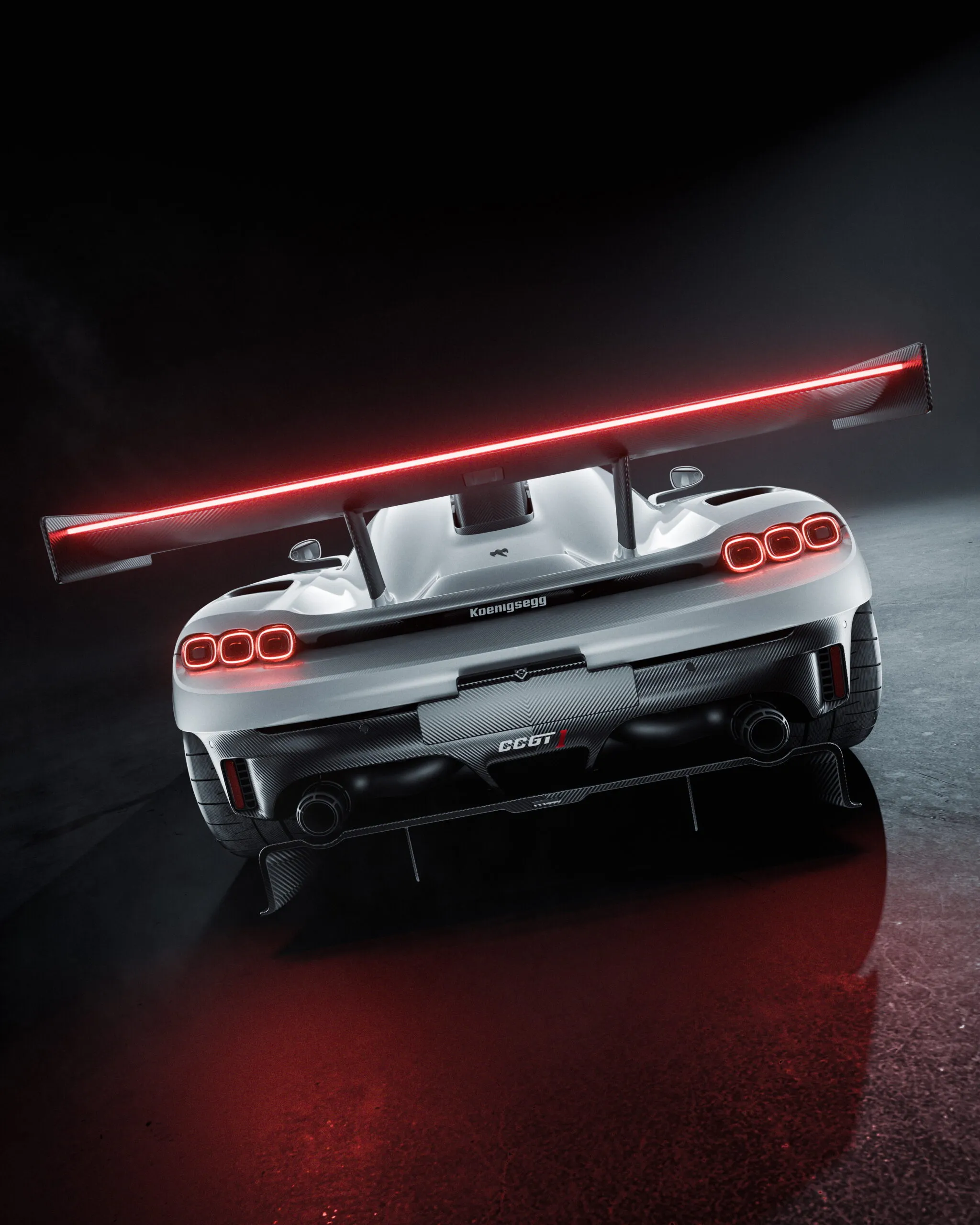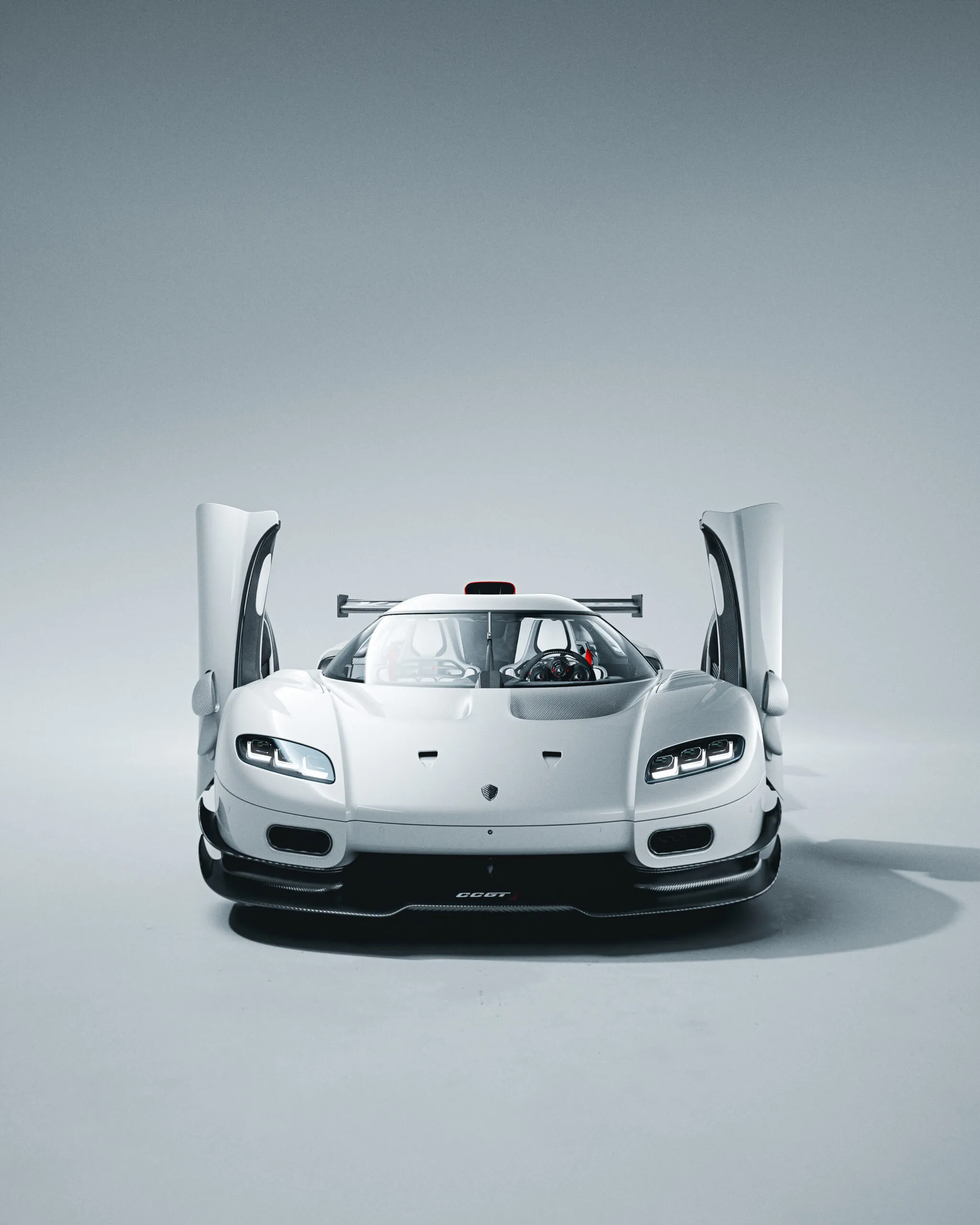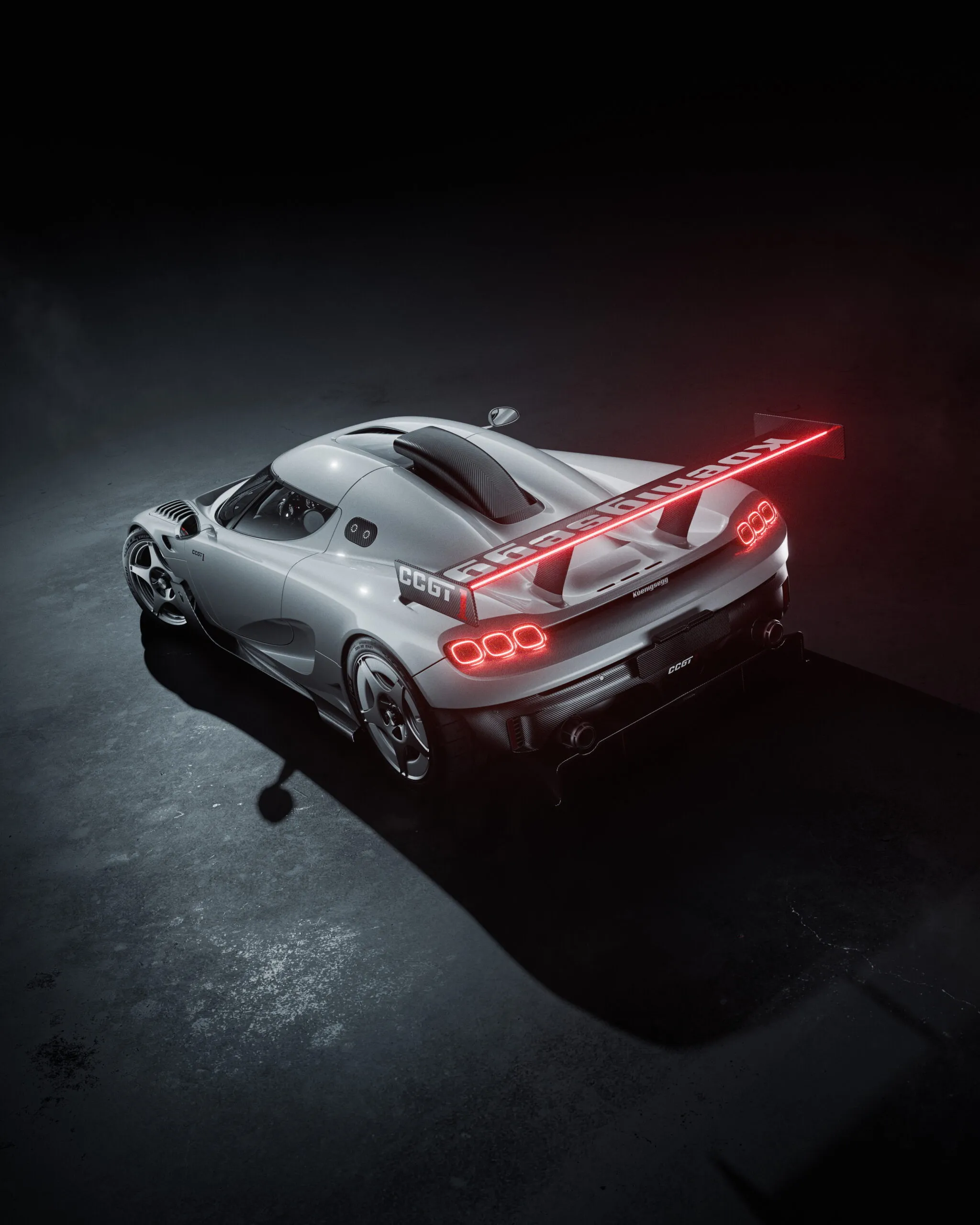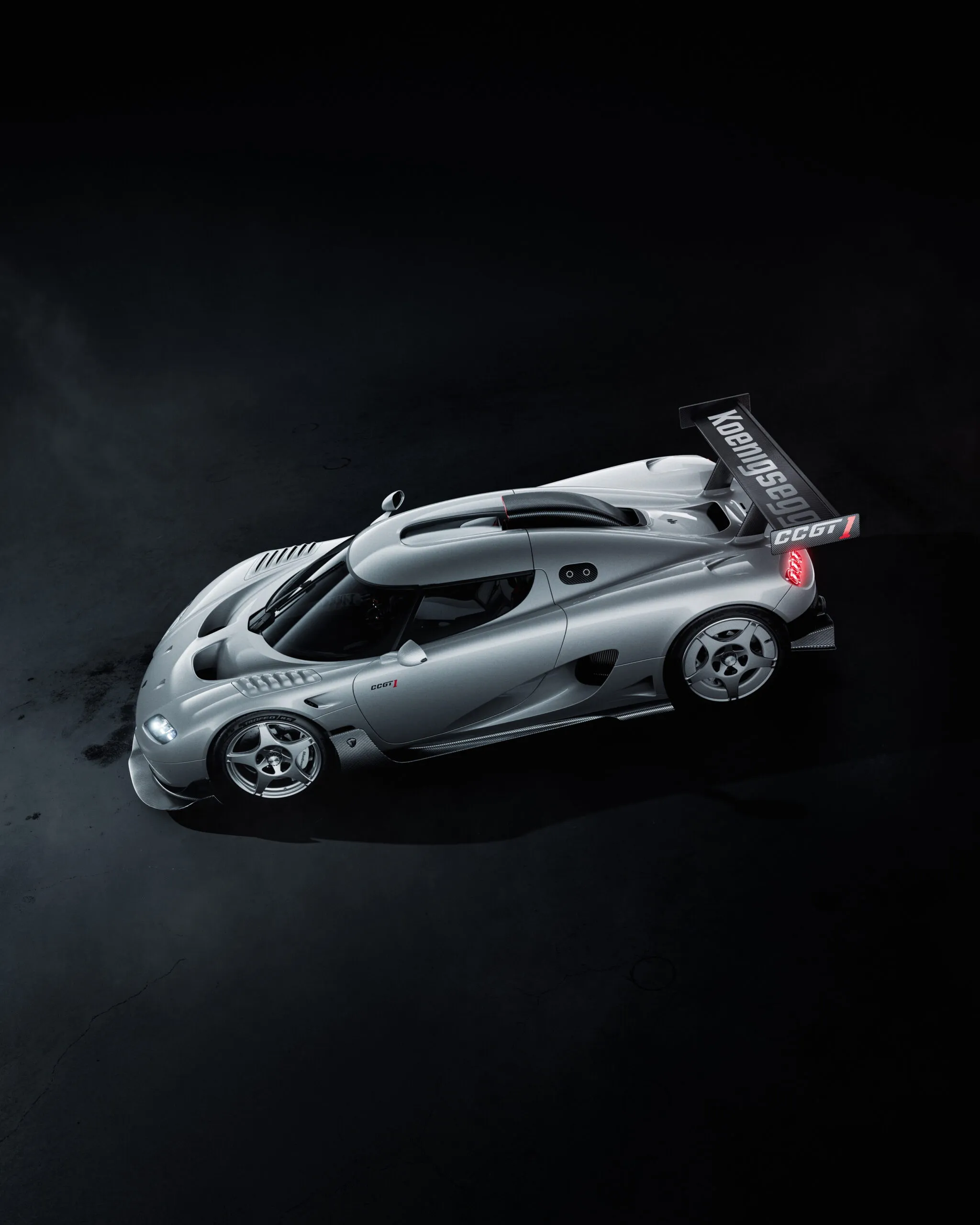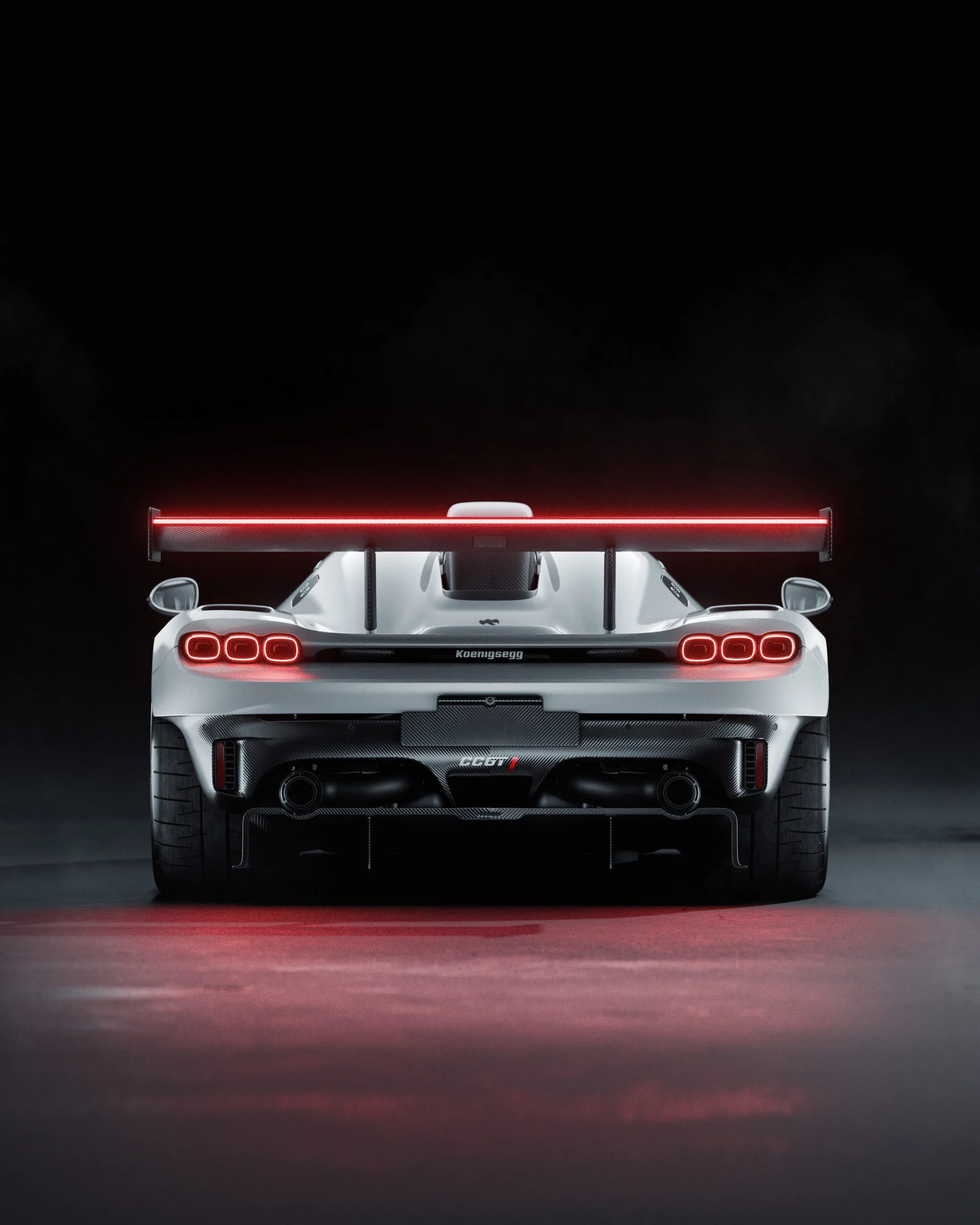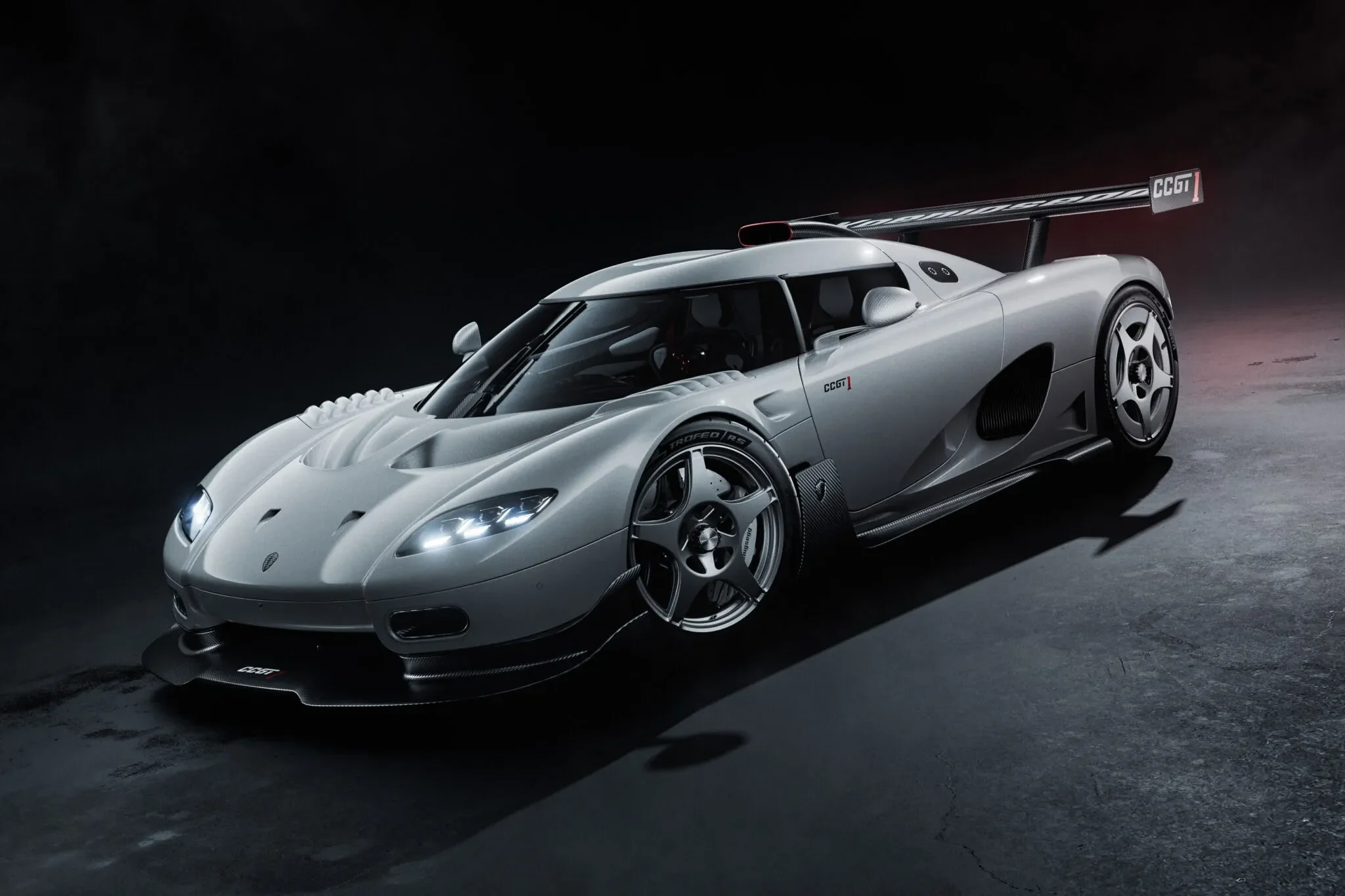
Koenigsegg has revisited one of the biggest what-if moments in its history with the new CCGT1, a road-legal hypercar inspired by the Swedish manufacturer’s only purpose-built GT1 racer.
Underneath, the CCGT1 is closely related to the CC850, but almost everything surrounding that platform has been reworked. The result is a far more aggressive machine designed to deliver serious circuit performance while remaining legal for the road.
From Forgotten GT1 Racer To Road-Legal Hypercar
The story starts with the original Koenigsegg CCGT, which was developed to compete in the GT1 category. It reached the testing stage but never made it onto a competitive starting grid.
Powered by a naturally aspirated 5.0-litre V8, the CCGT was restricted to 600 hp (447 kW) under the regulations of the time. It weighed approximately 1,000 kg and could produce more than 600 kg of aerodynamic downforce.
Koenigsegg’s racing ambitions were cut short when GT1 regulations changed during the car’s development programme. New homologation requirements favoured manufacturers producing cars in considerably larger numbers, effectively shutting Koenigsegg out before the CCGT had the chance to race.
Almost two decades later, the idea has returned in a very different form.
1,600 HP And Serious Downforce
The CCGT1 uses Koenigsegg’s twin-turbocharged V8, producing 1,280 hp (954 kW) when running on conventional pump fuel. Fill it with E85 and output increases to a massive 1,600 hp (1,193 kW).
While the CC850 provides the foundation, the body has been extensively redesigned. Only the doors and removable roof are carried over unchanged.
Aerodynamics are central to the CCGT1’s character. Koenigsegg claims the car generates as much as 800 kg of downforce at 250 km/h (155 mph), placing it between the Jesko Attack and Sadair’s Spear in terms of maximum aerodynamic load.
The huge rear wing is active and can automatically move through 30 degrees of adjustment. Depending on the situation, it can prioritise reduced drag, maximum downforce or act as an air brake.
The underbody has also been redesigned and works with active flaps to maintain aerodynamic balance as speed increases.
Additional cooling and airflow changes include vents above the front wheels, NACA ducts and a prominent roof scoop. The latter feeds cooling air towards the oil cooler and inboard rear dampers.
New Koenigsegg Sequential Shift System
Koenigsegg’s nine-speed Light Speed Transmission remains, but the CCGT1 introduces a new way of interacting with it.
Called Koenigsegg Sequential Shift, or KSS, the system is intended to replicate the operation of a racing sequential transmission. The clutch pedal is required when pulling away, but once moving, the driver can change gears sequentially without using the clutch. Each shift is accompanied by an ignition cut to add to the race-car experience.
A rotary controller in the centre console is labelled ASMR, standing for Auto, Sequential, Manual and Reverse.
Those wanting a more traditional experience are not forgotten. Koenigsegg will also offer the CC850-style gated six-speed manual interface.
Ghost Fibre Makes Its Debut
Another first for the CCGT1 is Koenigsegg’s new Ghost Fibre, a white carbon fibre material developed for the car.
According to the manufacturer, the new material is lighter and stronger while also providing improved sound-deadening properties compared with conventional carbon fibre.
The cabin mixes modern electronics with an unusually analogue approach to instrumentation. Koenigsegg’s third-generation Chronocluster provides physical displays for engine speed, vehicle speed, boost, oil pressure, temperatures, fuel level and power usage.
First Factory Track Package From Koenigsegg
Owners wanting to take the CCGT1’s circuit credentials even further will be able to specify Koenigsegg’s first factory-developed Track Package.
The package includes slick tyres, racing seats, a roll cage, air jacks, a fire-suppression system and data-logging equipment, among other track-specific upgrades.
Koenigsegg says the CCGT1 has the potential to deliver the fastest circuit laps of any car it has produced. No official lap time or target circuit has been announced yet, so that claim remains to be demonstrated.
Just 70 Koenigsegg CCGT1s Will Be Built
Production will be limited to only 70 examples.
Anyone hoping to place an order is already too late. Every CCGT1 was allocated before Koenigsegg officially revealed the car, continuing the manufacturer’s recent habit of selling its most exclusive creations behind closed doors.
That shouldn’t come as much of a surprise. Koenigsegg confirmed in 2025 that its entire model range was effectively sold out.
The CCGT1 finally gives the original CCGT’s philosophy a second chance, albeit without the constraints of GT1 regulations. What began as an abandoned racing project has ultimately inspired one of Koenigsegg’s most extreme road cars yet.