
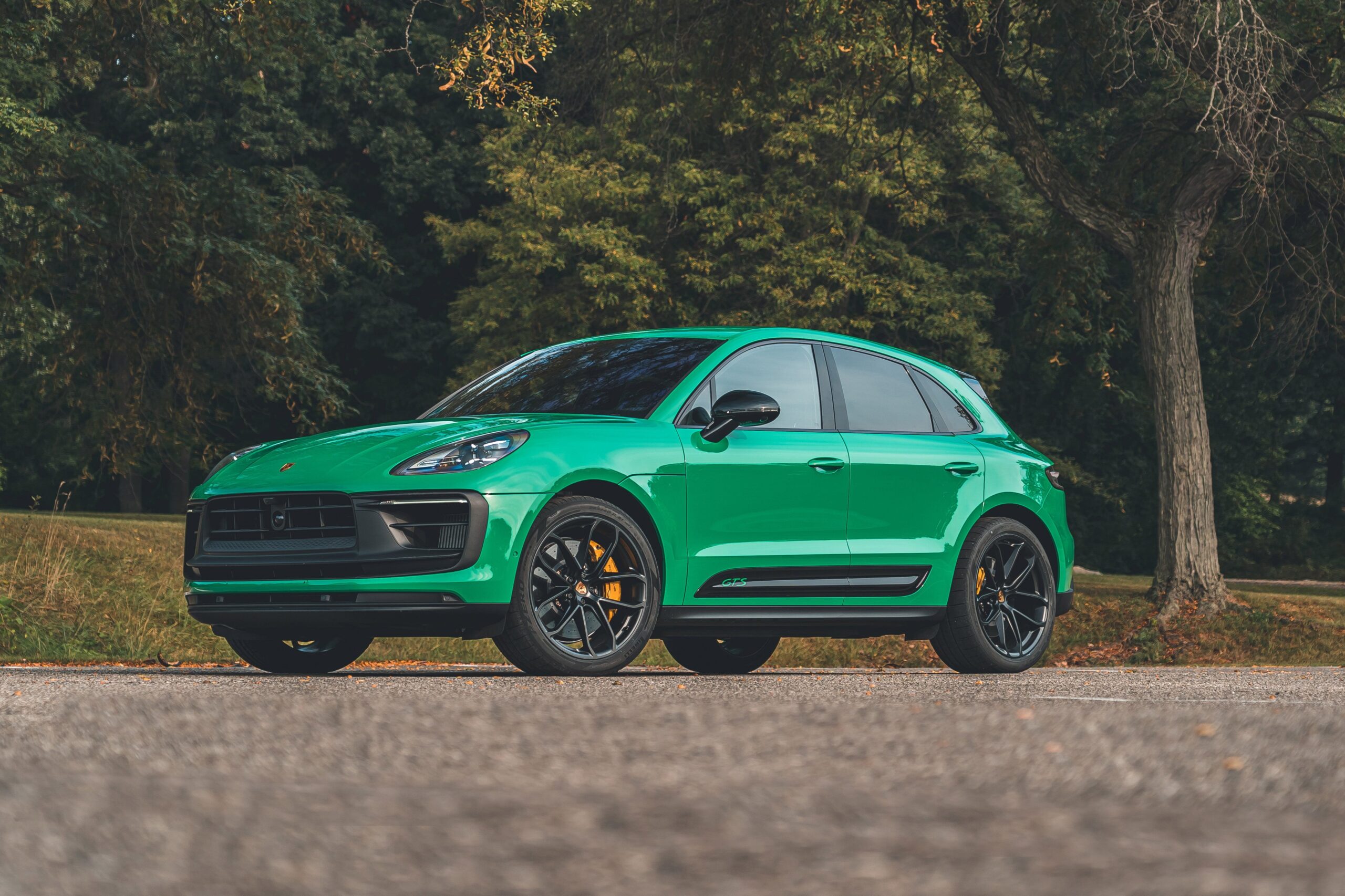
Porsche’s aggressive push towards electrification has not unfolded quite as planned. After committing to electric replacements for key models including the Macan and 718, the German manufacturer has been forced to rethink its strategy as global EV demand develops more slowly than originally expected.
One of the biggest changes involves the Macan. Porsche has already ended production of the original combustion-powered SUV, but a petrol-powered successor is now being developed and is expected to arrive in 2028.
Porsche Wants More Choice Without Doubling Development Costs
Porsche CEO Michael Leiters has shed more light on the thinking behind the change in direction.
The goal is to rebuild Porsche’s combustion-engine offering while avoiding the enormous expense of developing separate petrol and electric architectures for every segment. Instead, Porsche wants a more balanced range that can cater to buyers who remain interested in combustion engines, hybrids and EVs.
It is a significant shift from the company’s earlier strategy, which assumed customers would move towards electric vehicles considerably faster.
Leiters took over as Porsche CEO at the beginning of 2026, replacing Oliver Blume, and has inherited the task of reshaping the manufacturer’s product plans around very different market conditions.
The Electric Macan Didn’t Start Badly
Interestingly, the Macan Electric itself isn’t necessarily the problem.
The electric SUV enjoyed a strong start and even outsold its combustion-powered sibling during 2025. The issue is what happens once stocks of the previous petrol Macan disappear completely.
Porsche has already stopped building the combustion model, leaving the Macan Electric as the only option until its petrol successor arrives.
That creates a potentially costly gap at a time when EV growth has cooled in several important markets.
China has become particularly difficult. Domestic manufacturers are offering increasingly sophisticated electric vehicles at significantly lower prices, putting pressure on established premium brands such as Porsche.
The United States has presented its own challenges, with changes to EV-friendly government policies and tariffs adding further pressure. Porsche also lacks a US manufacturing operation, meaning vehicles such as the Macan are imported from Germany.
New Petrol Macan Will Share Technology
Rather than develop another dedicated combustion platform from scratch, Porsche is expected to lean heavily on technology already available within the Volkswagen Group.
The incoming petrol Macan replacement is understood to be closely related to the next-generation Audi Q5. Sharing architecture and components would allow Porsche to get a combustion SUV back into this crucial segment much faster while keeping development costs under control.
The current Macan Electric uses the Premium Platform Electric, better known as PPE, which Porsche developed together with Audi. An evolved version of that architecture is also used for the larger Cayenne Electric.
Porsche had already admitted earlier this year that its original Macan strategy had missed the mark.
The Porsche 911 Is The Exception
While Porsche wants to offer customers a broader mix of powertrains across much of its range, there is one very important exception: the 911.
Leiters has once again made it clear that the 911 will not follow the same multi-powertrain approach.
That means a fully electric Porsche 911 remains off the table. Electrification has already reached the sports car through hybrid technology, but the combustion engine will remain central to the 911’s identity.
The latest 911 Turbo S demonstrates how far Porsche can take that approach. Its T-Hybrid-assisted 3.6-litre twin-turbo flat-six produces 701 hp (523 kW), making it the most powerful production 911 yet.
Electric Porsche 718 Still Going Ahead
The future of the 718 Boxster and Cayman has been considerably less clear.
Reports had suggested that Porsche’s electric 718 programme could be cancelled as the company reconsidered its EV strategy. Development is, however, understood to still be moving forward.
Exactly how Porsche ultimately structures the next-generation 718 range remains one of the bigger questions surrounding its future sports car lineup.
What has become clear is that Porsche is no longer betting everything on customers moving towards battery power at the same speed. The brand is adapting its product strategy to what buyers actually want, even if that means reversing some very expensive decisions along the way.