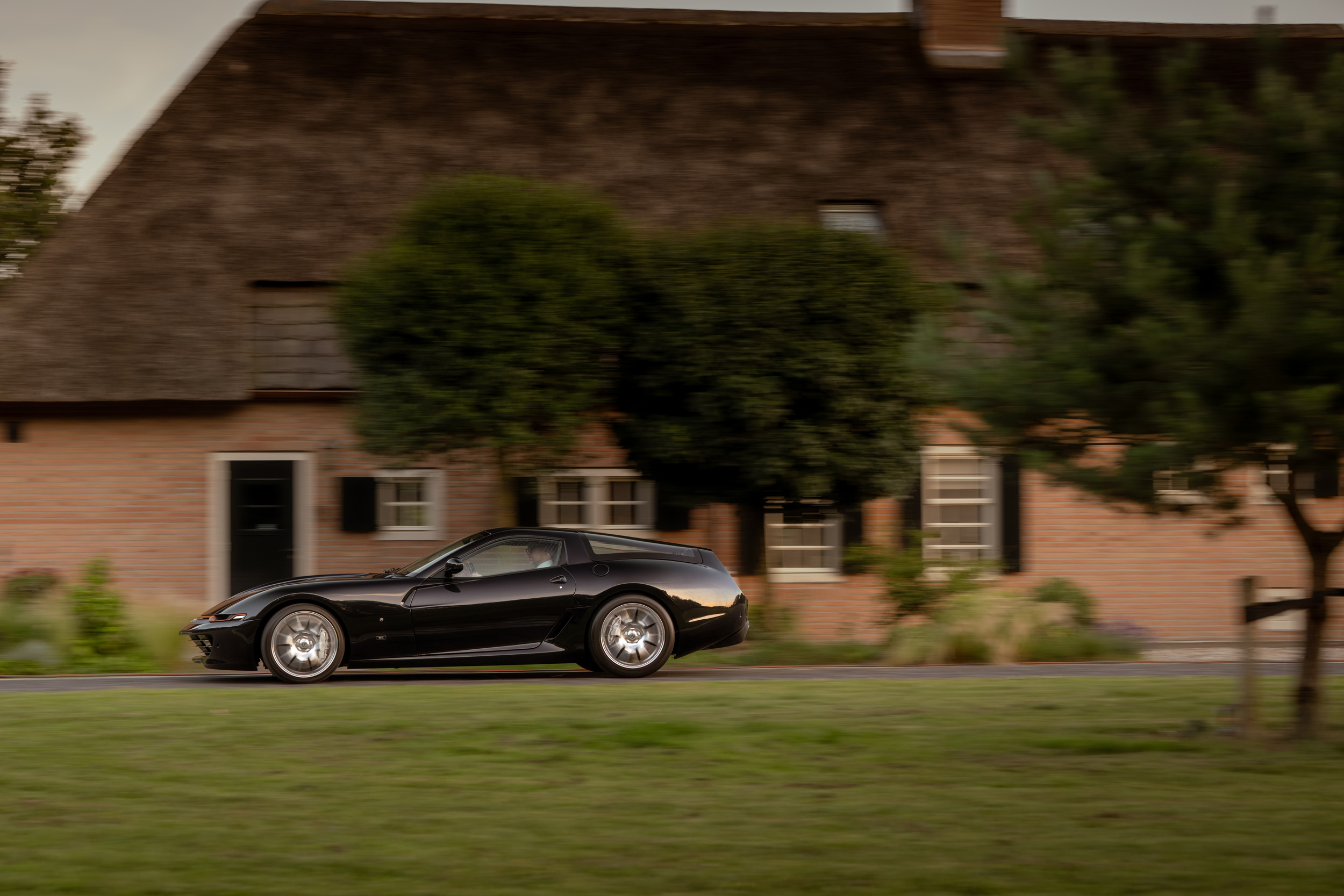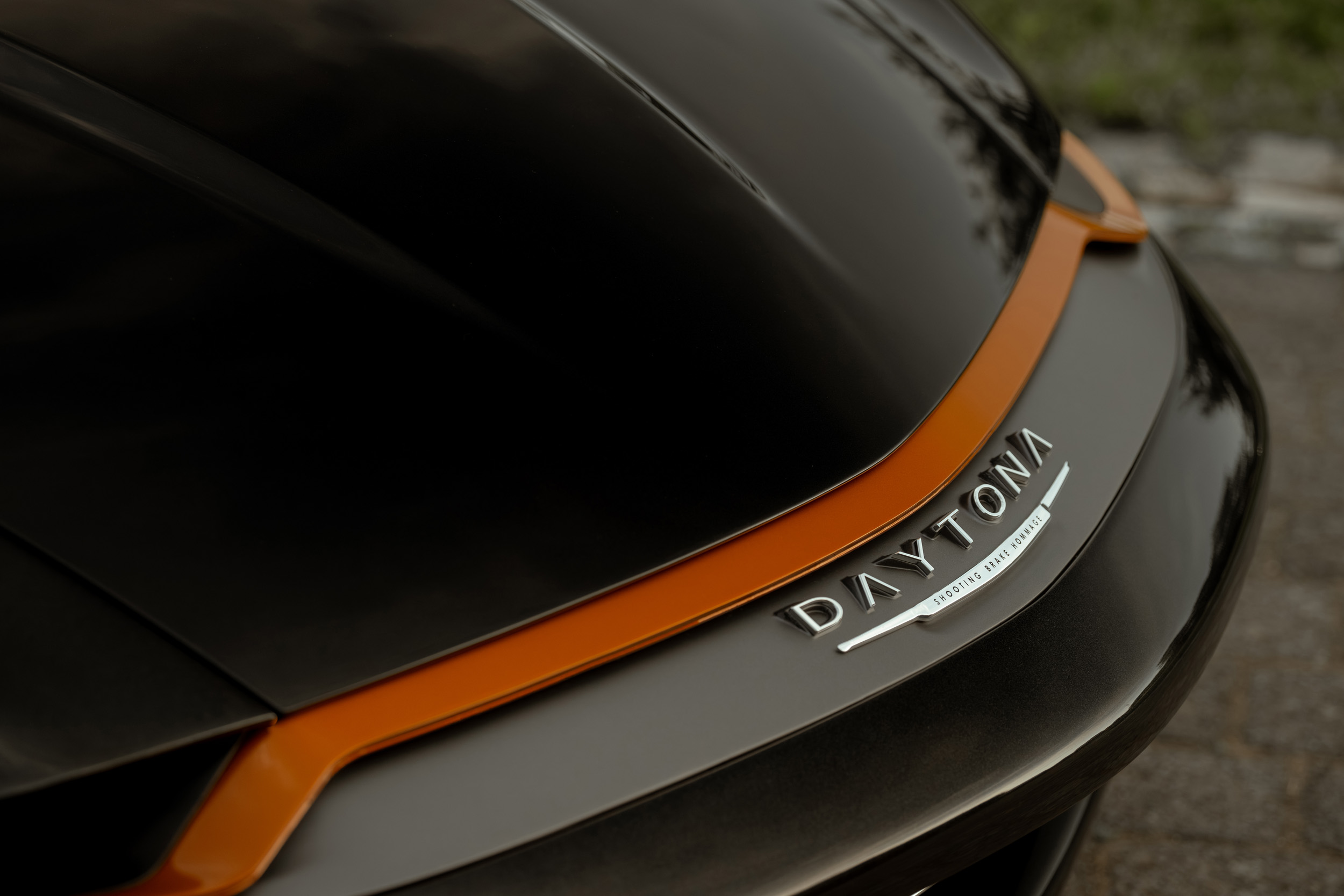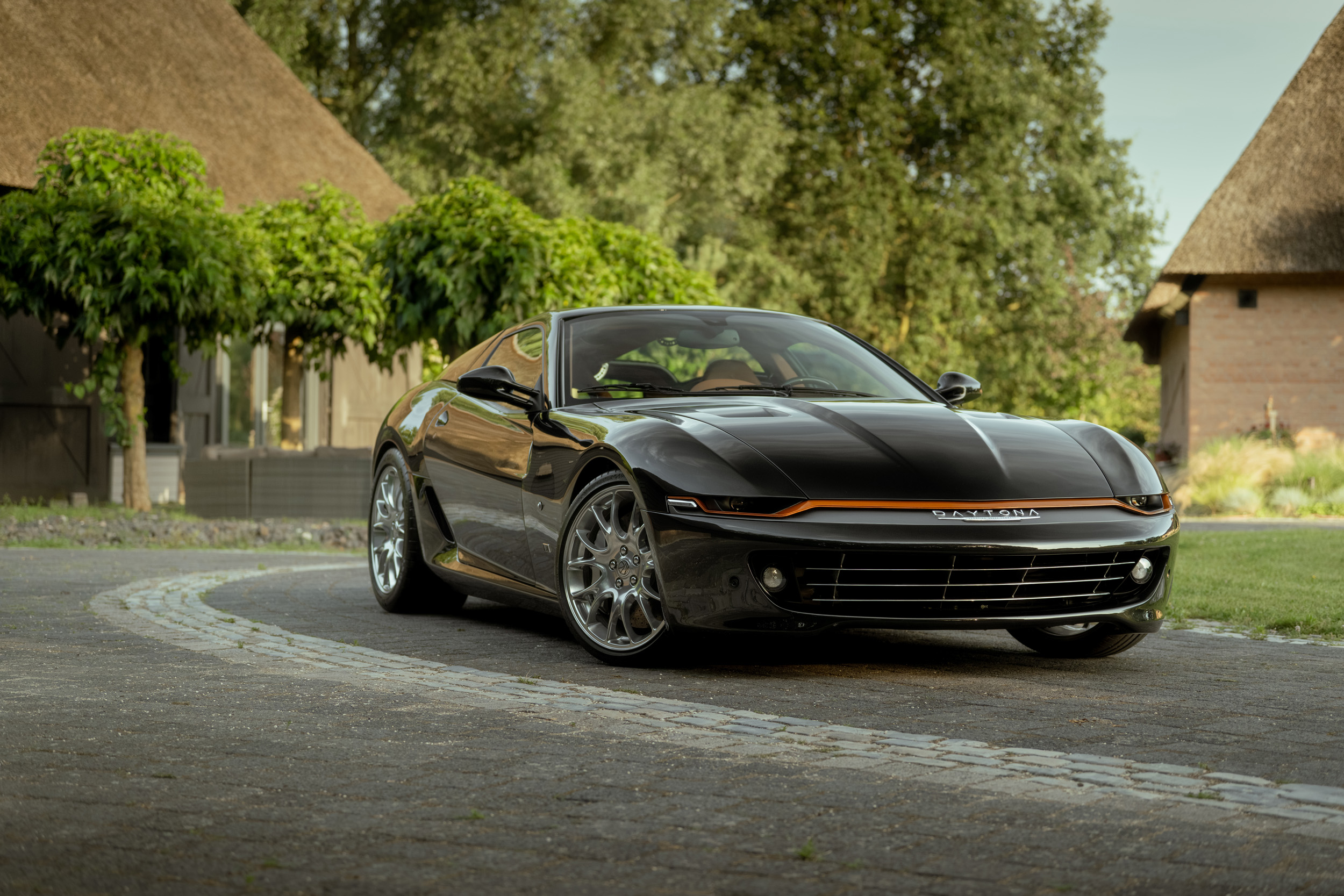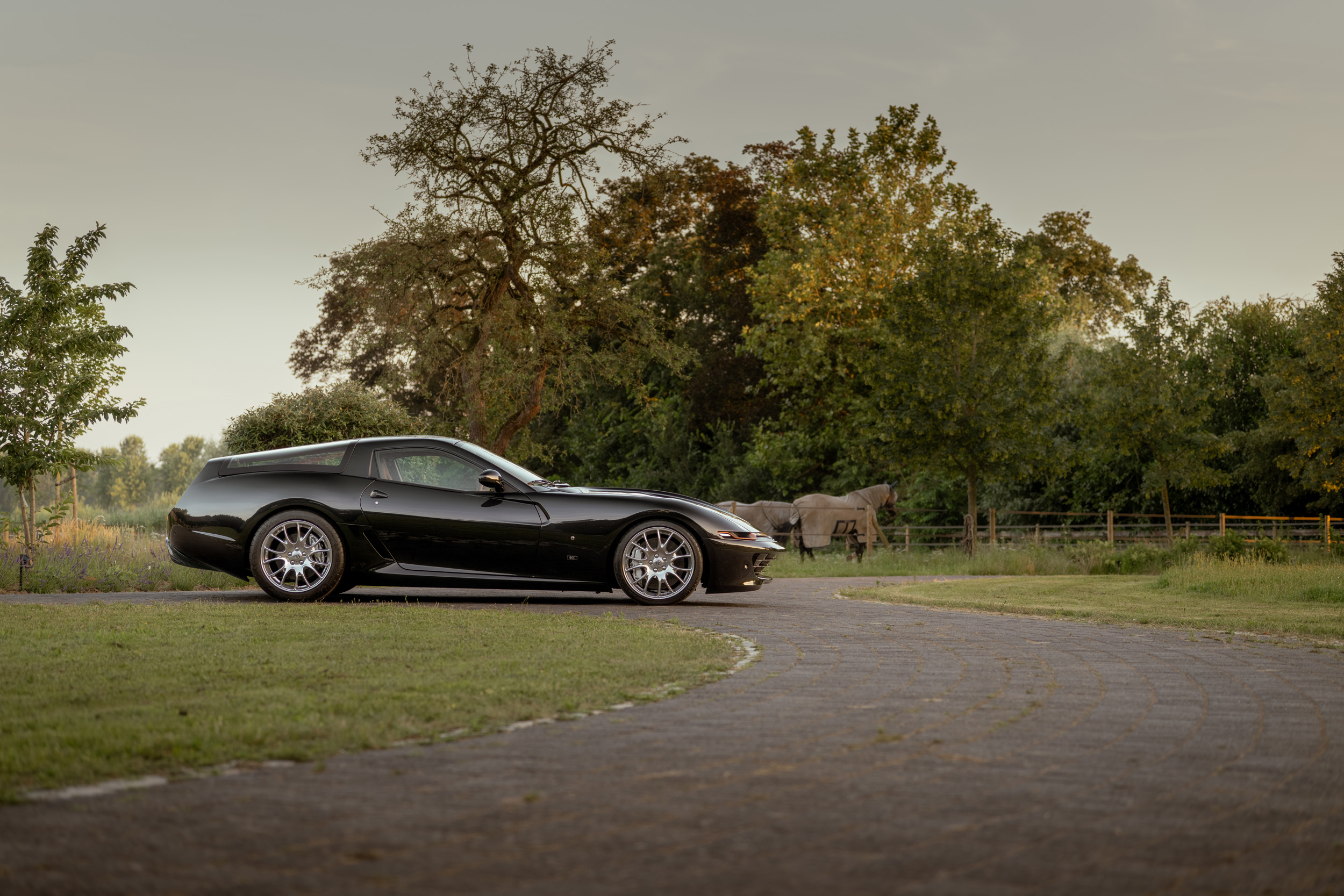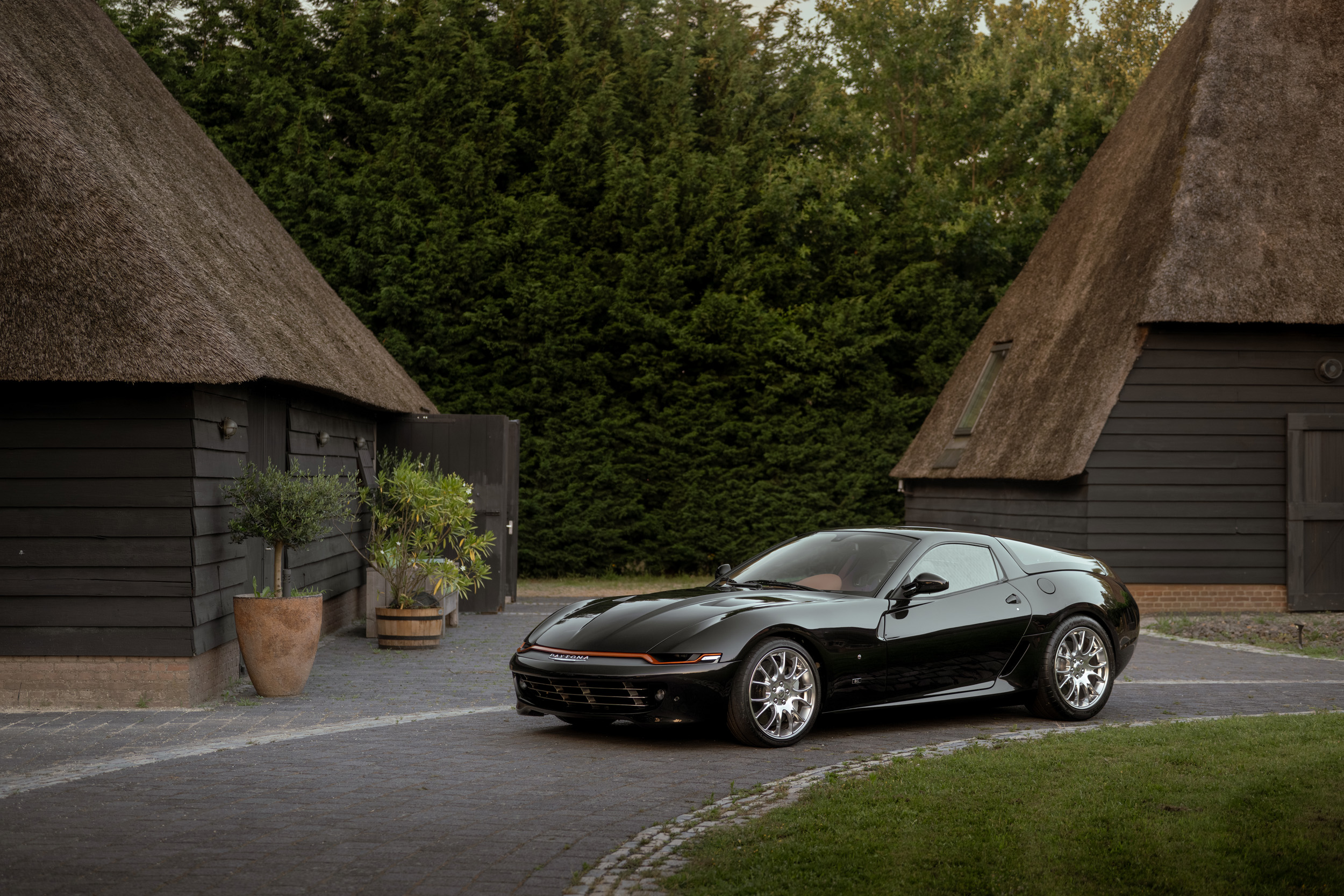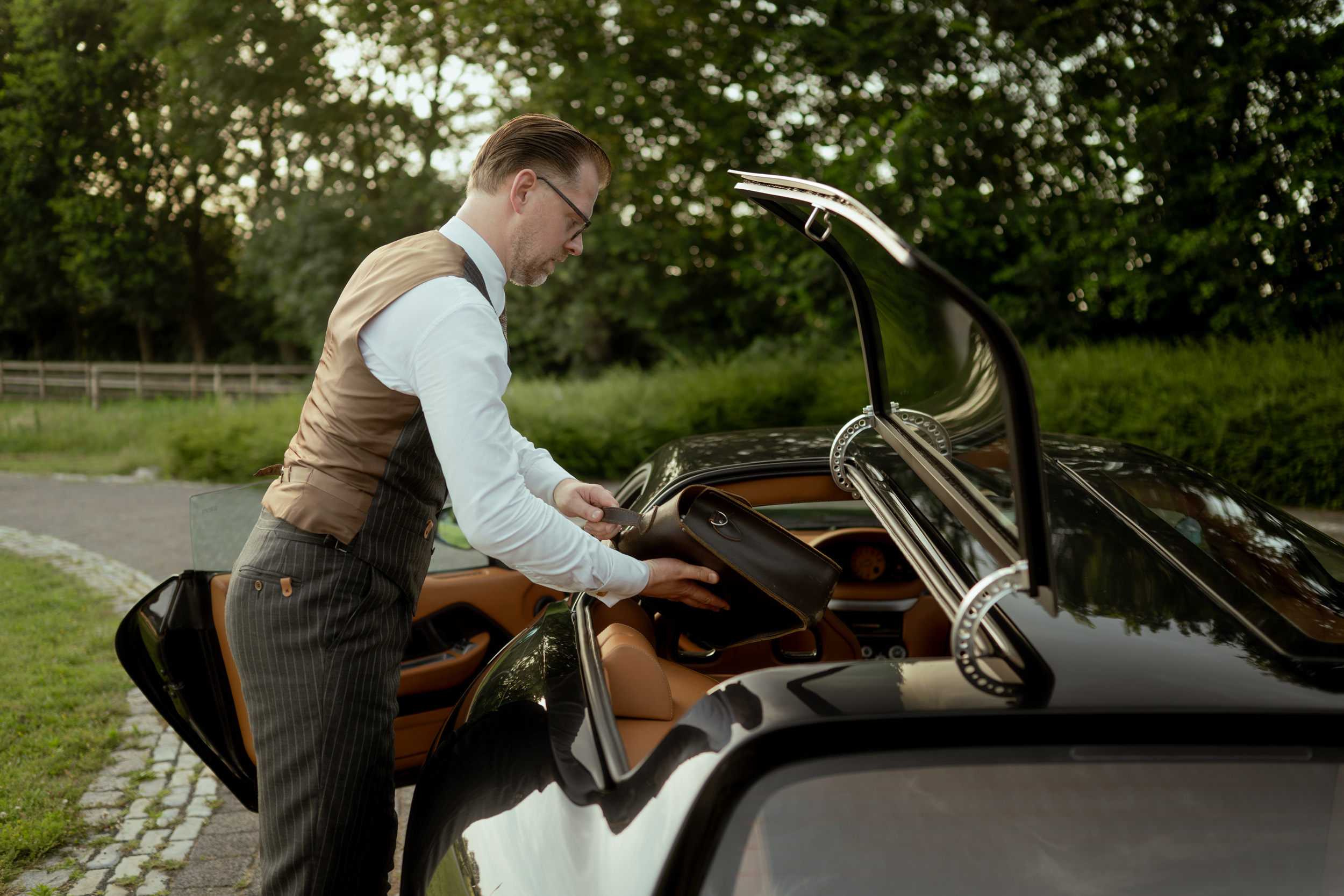
More than half a century after one of the most talked-about coachbuilt grand tourers of its era was commissioned, Dutch design house Niels van Roij Design has created a one-off tribute that reinterprets that 1972 icon for the modern age. The result is the Daytona Shooting Brake Hommage, a bespoke aluminium-bodied grand tourer built on an Italian front-engined V12 platform and destined to make its global debut on 8 July at the Royal Automobile Club, Woodcote Park.
The project consumed over 15,000 hours of design exploration, engineering development and hand craftsmanship, and represents one of the most ambitious coachbuilding commissions seen in recent years.
A Contemporary Reinterpretation, Not a Replica
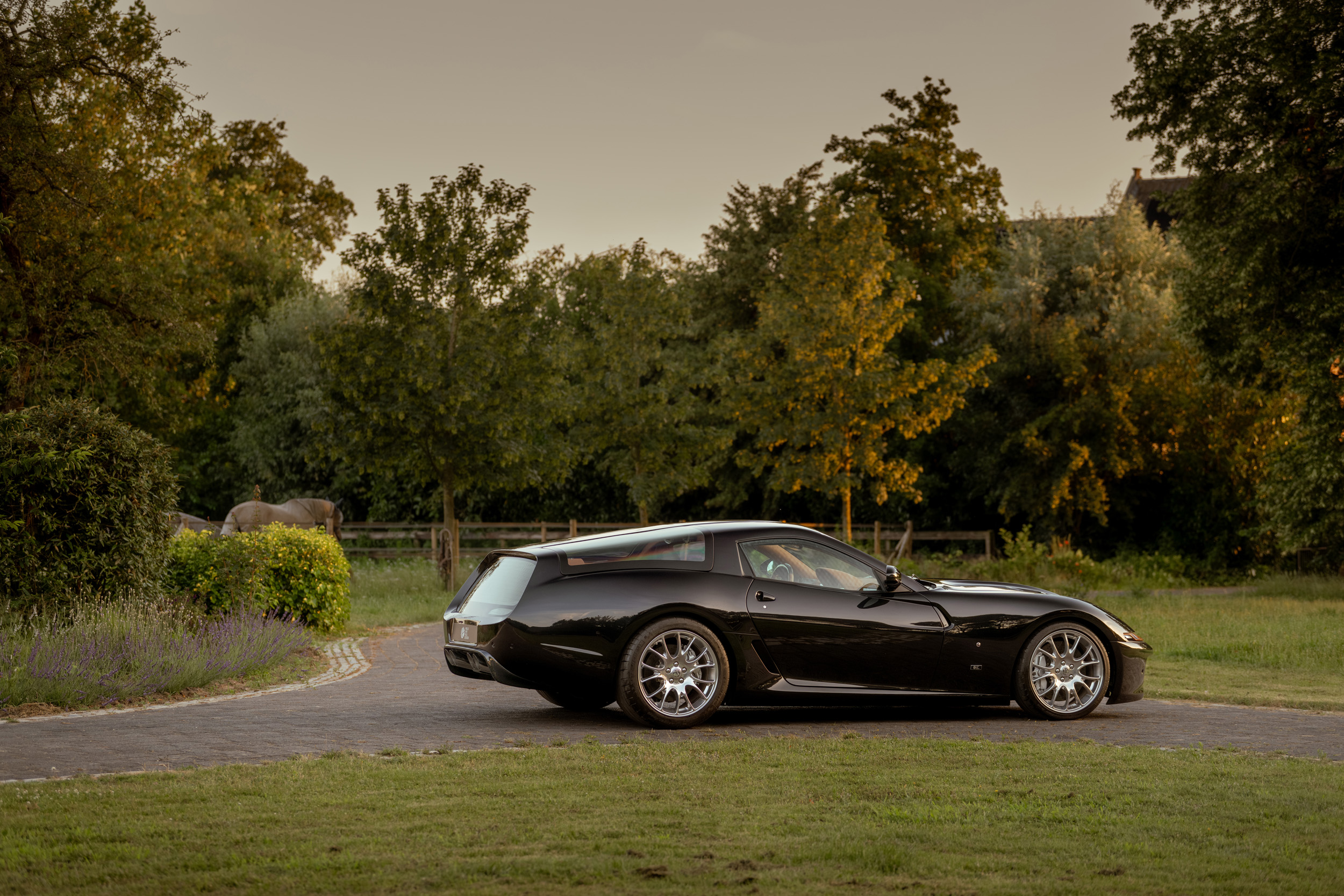
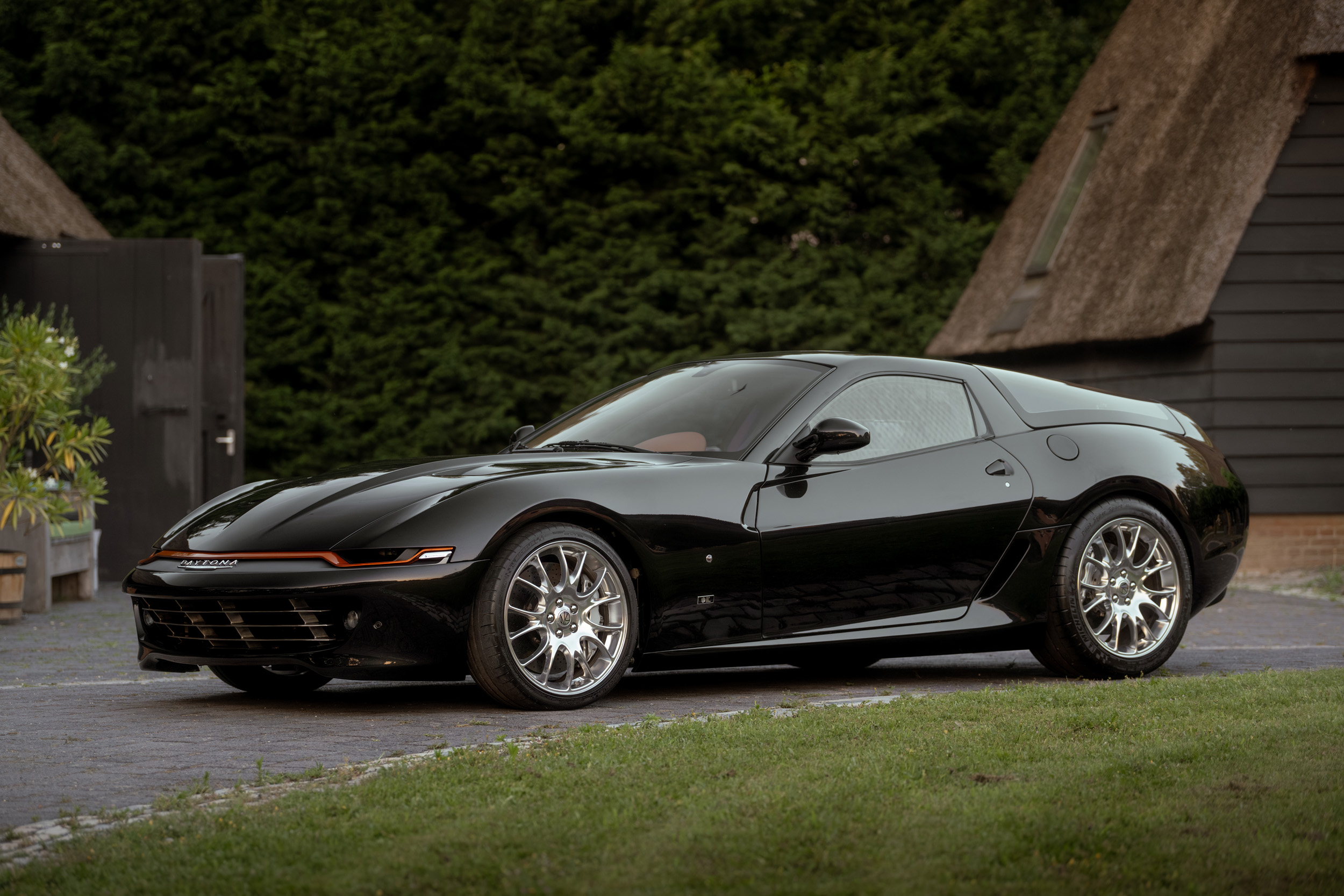
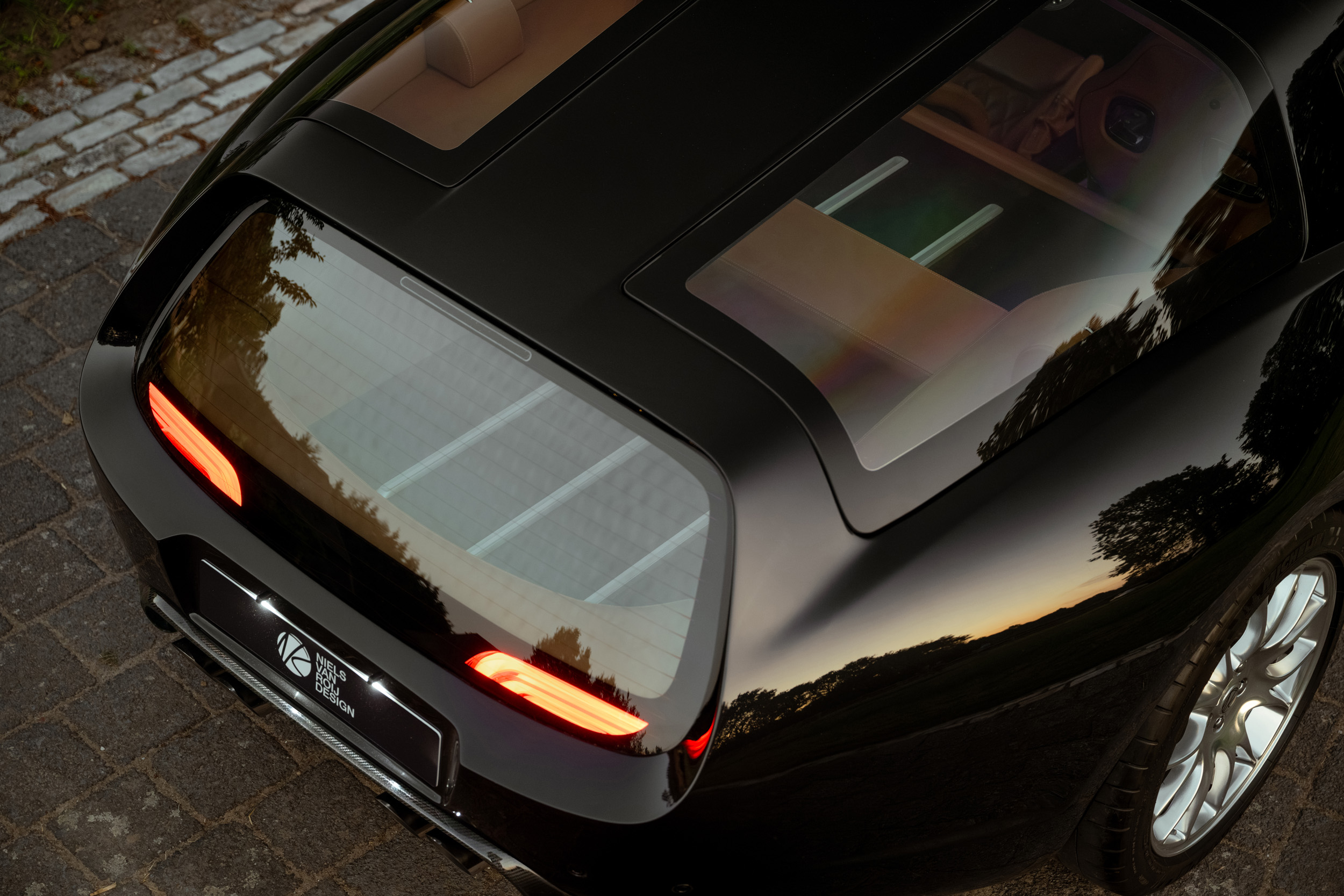
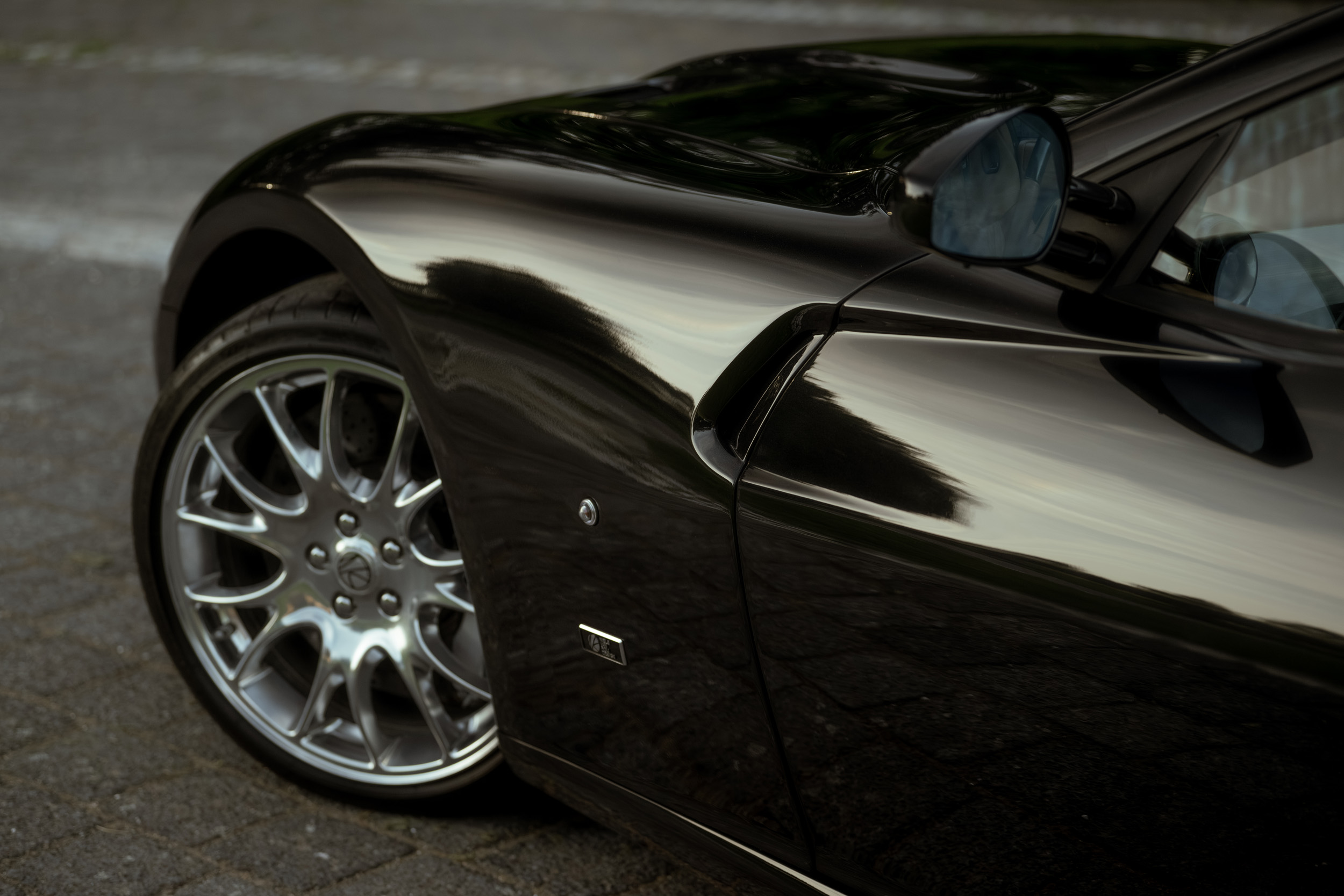
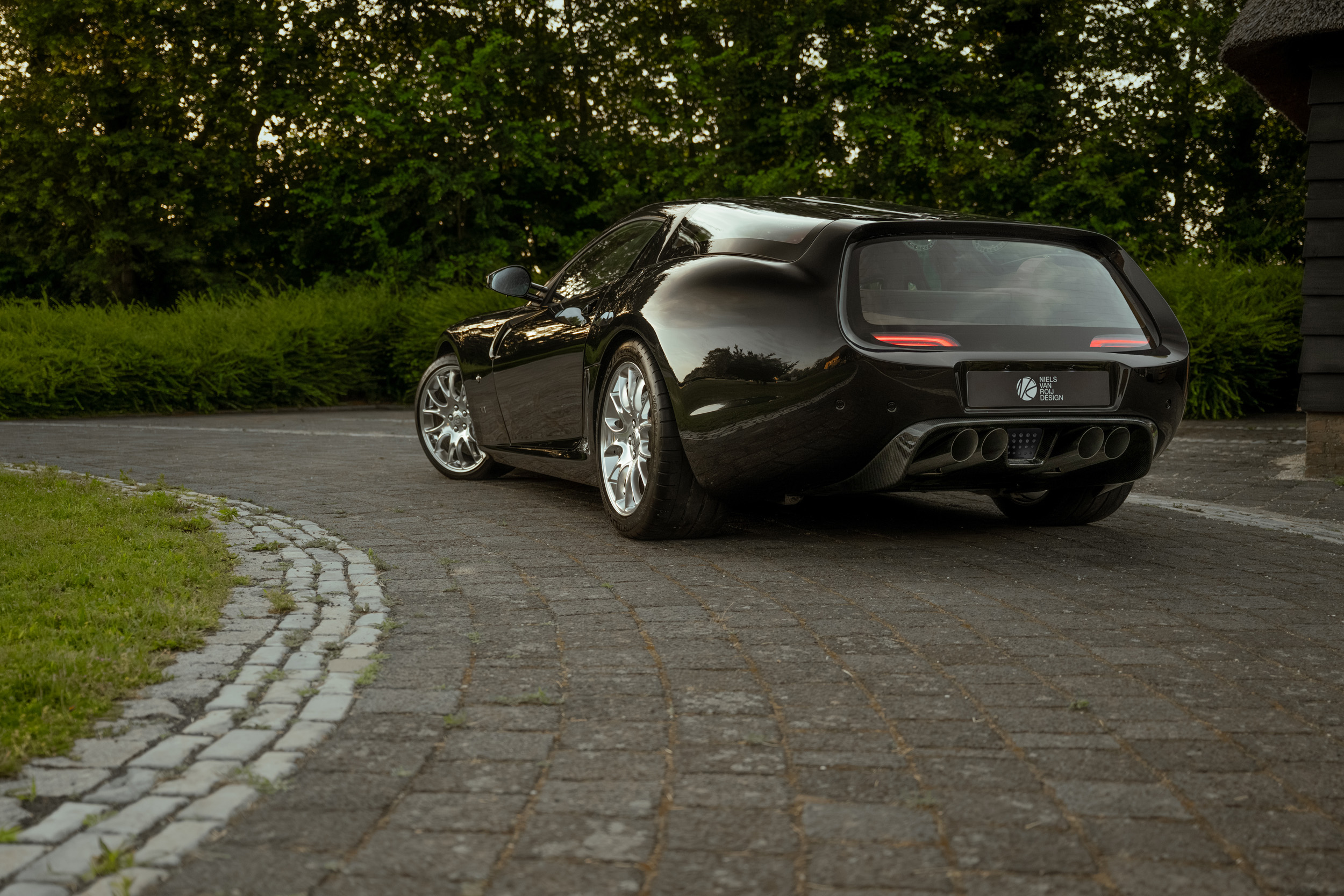
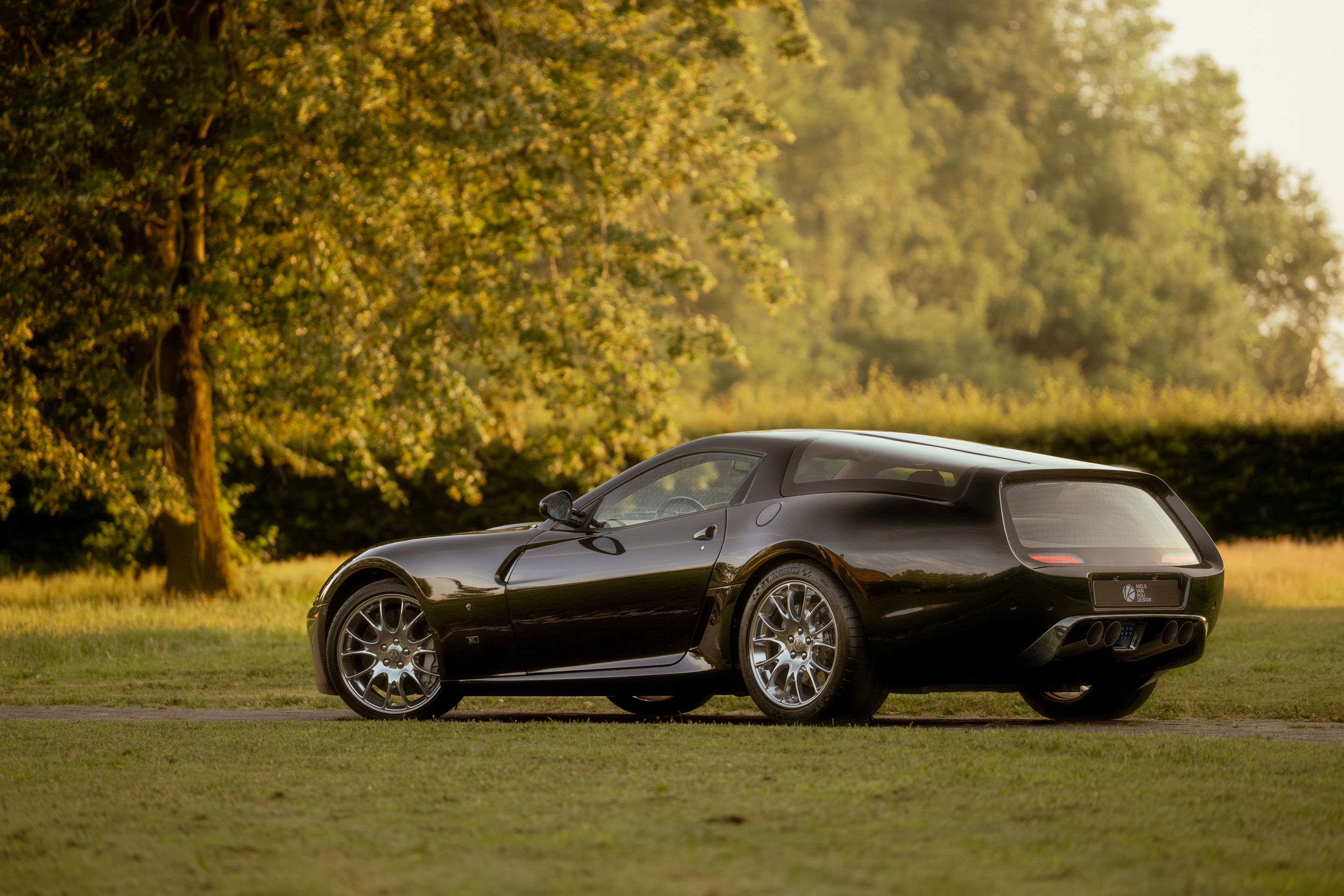
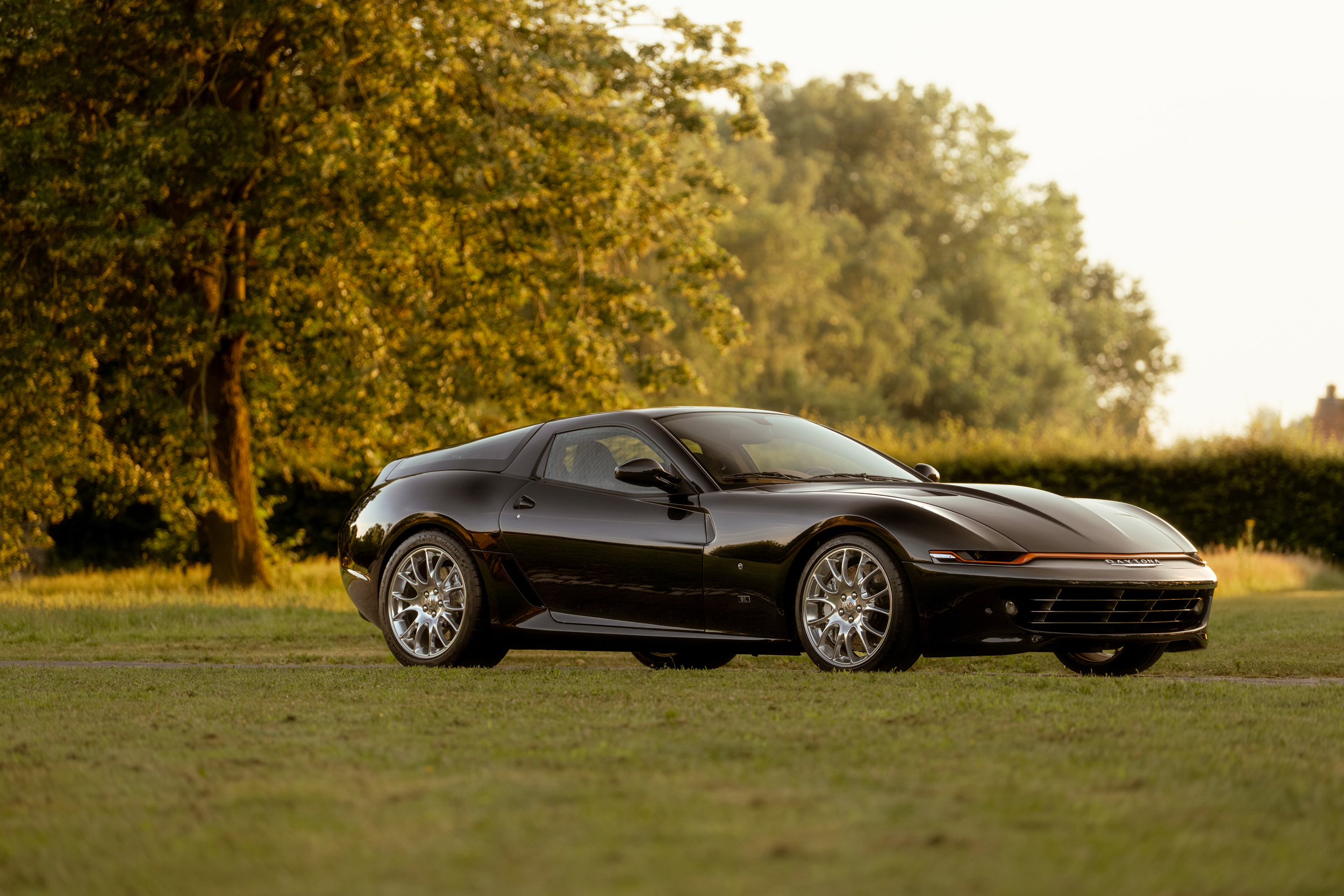
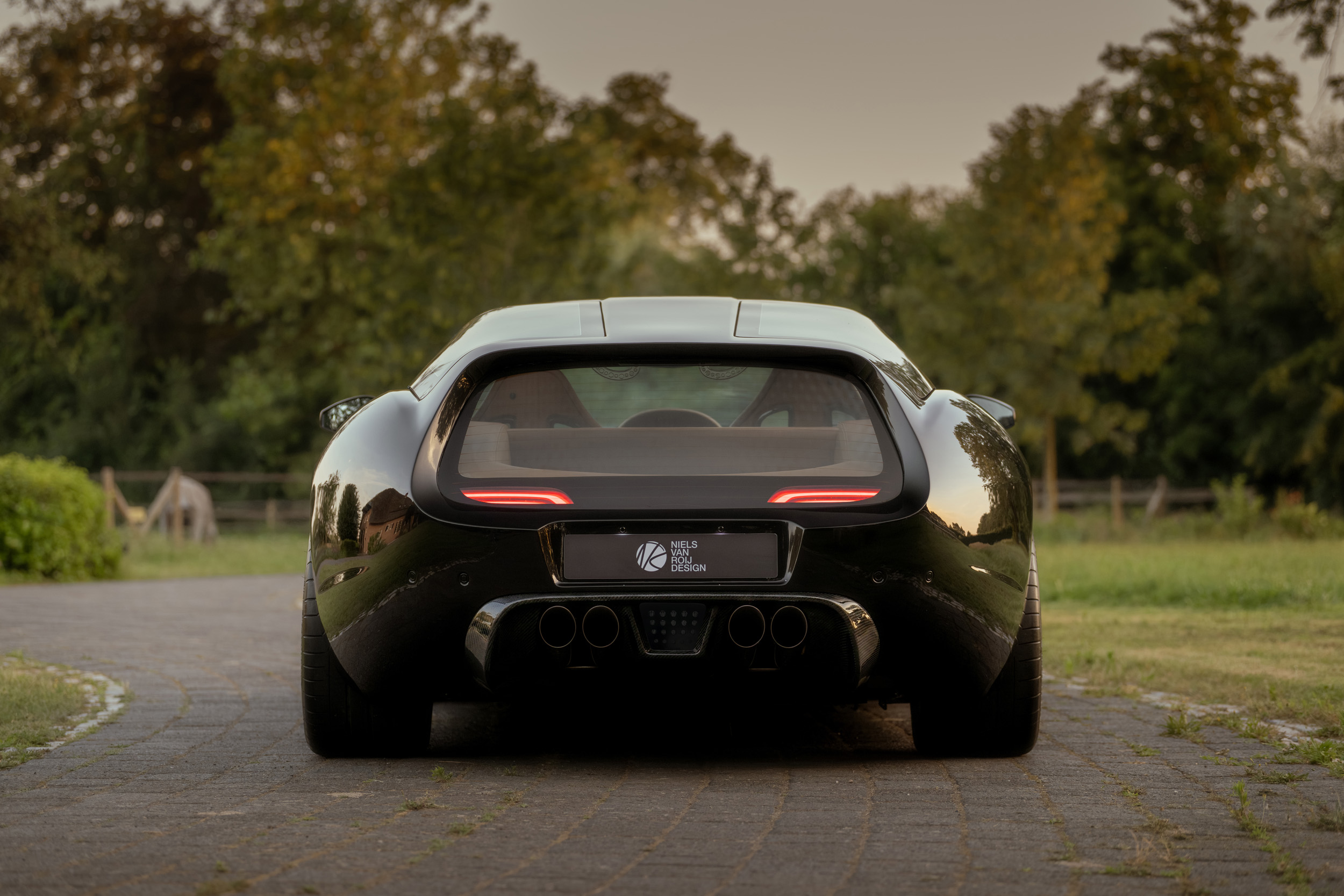
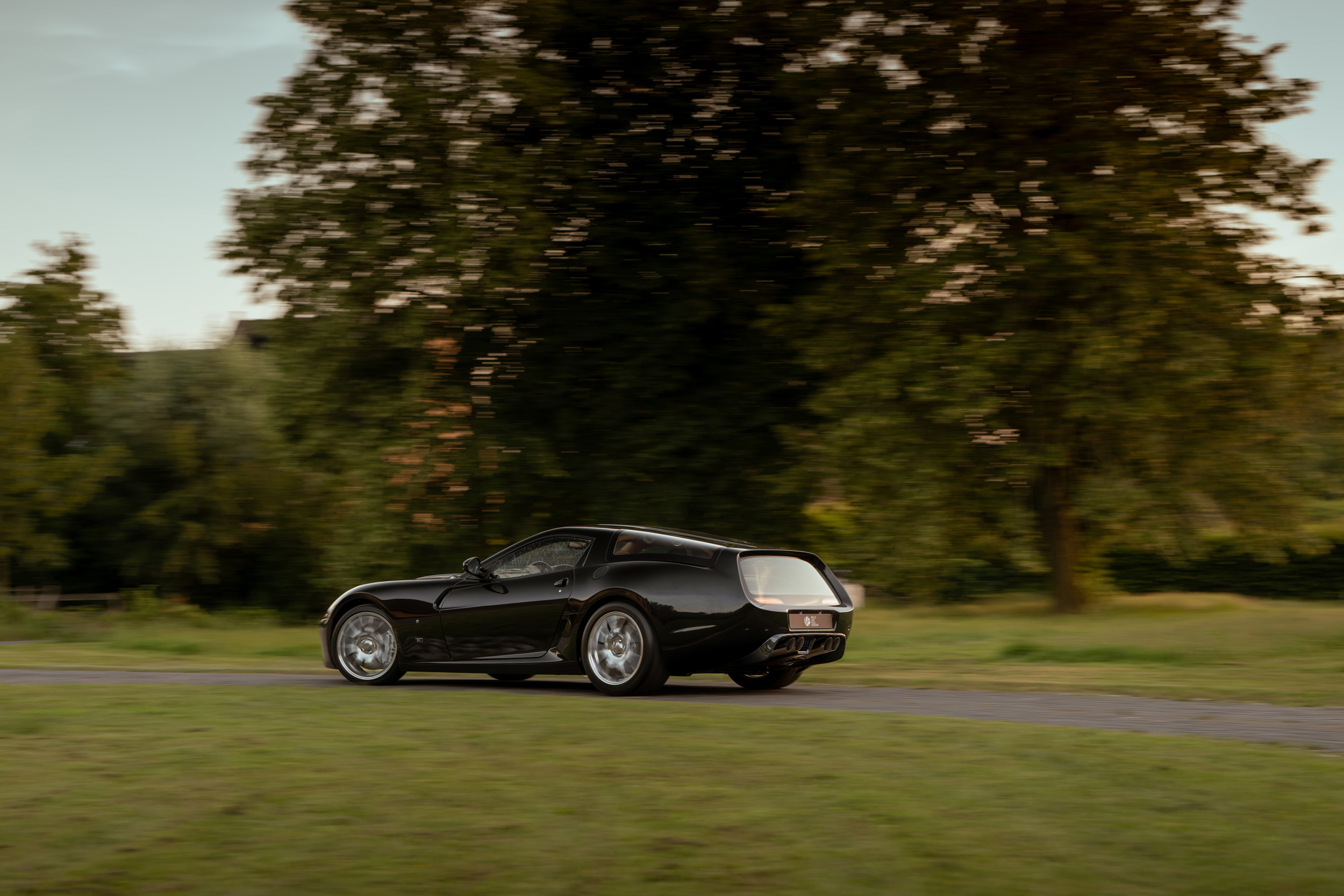
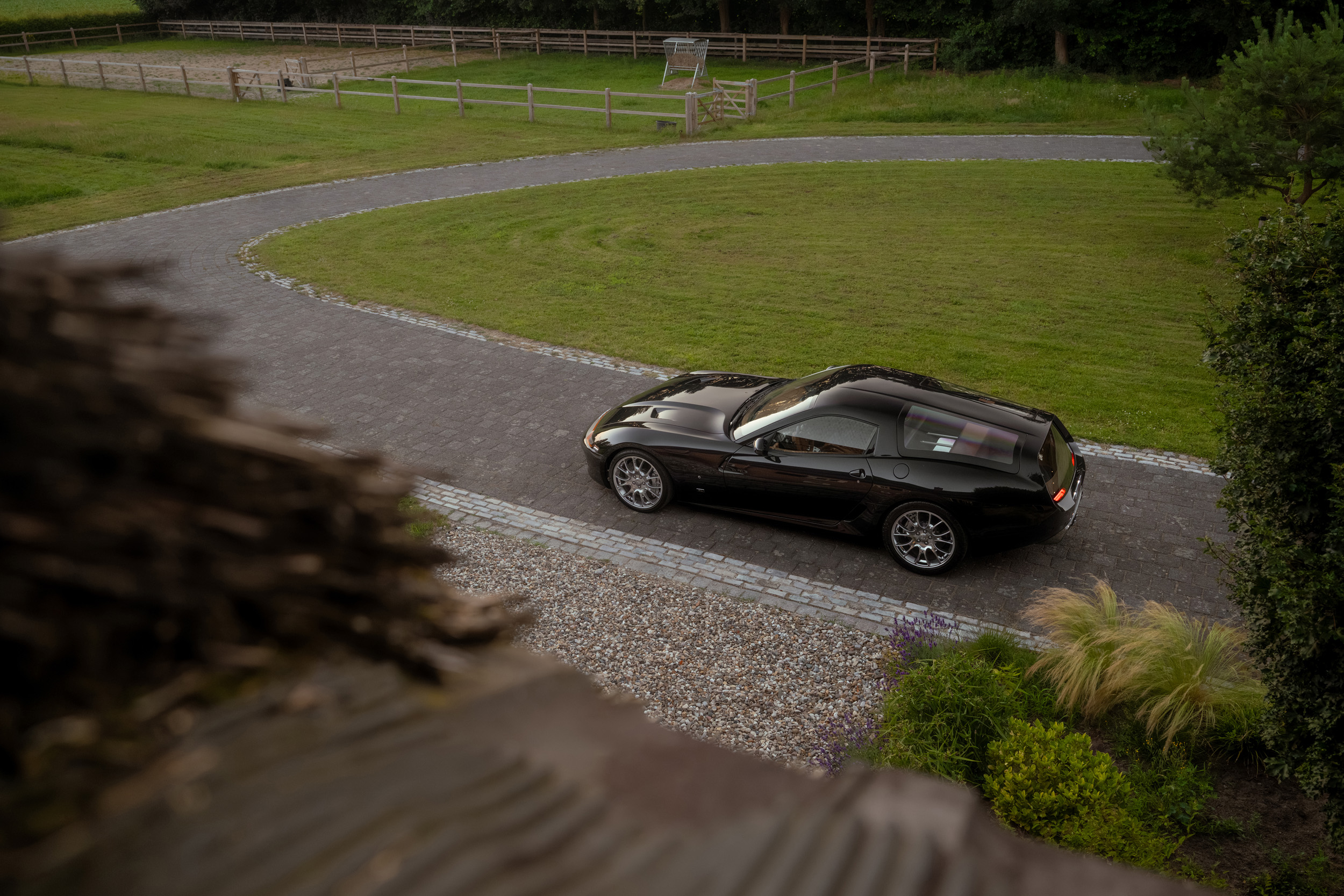
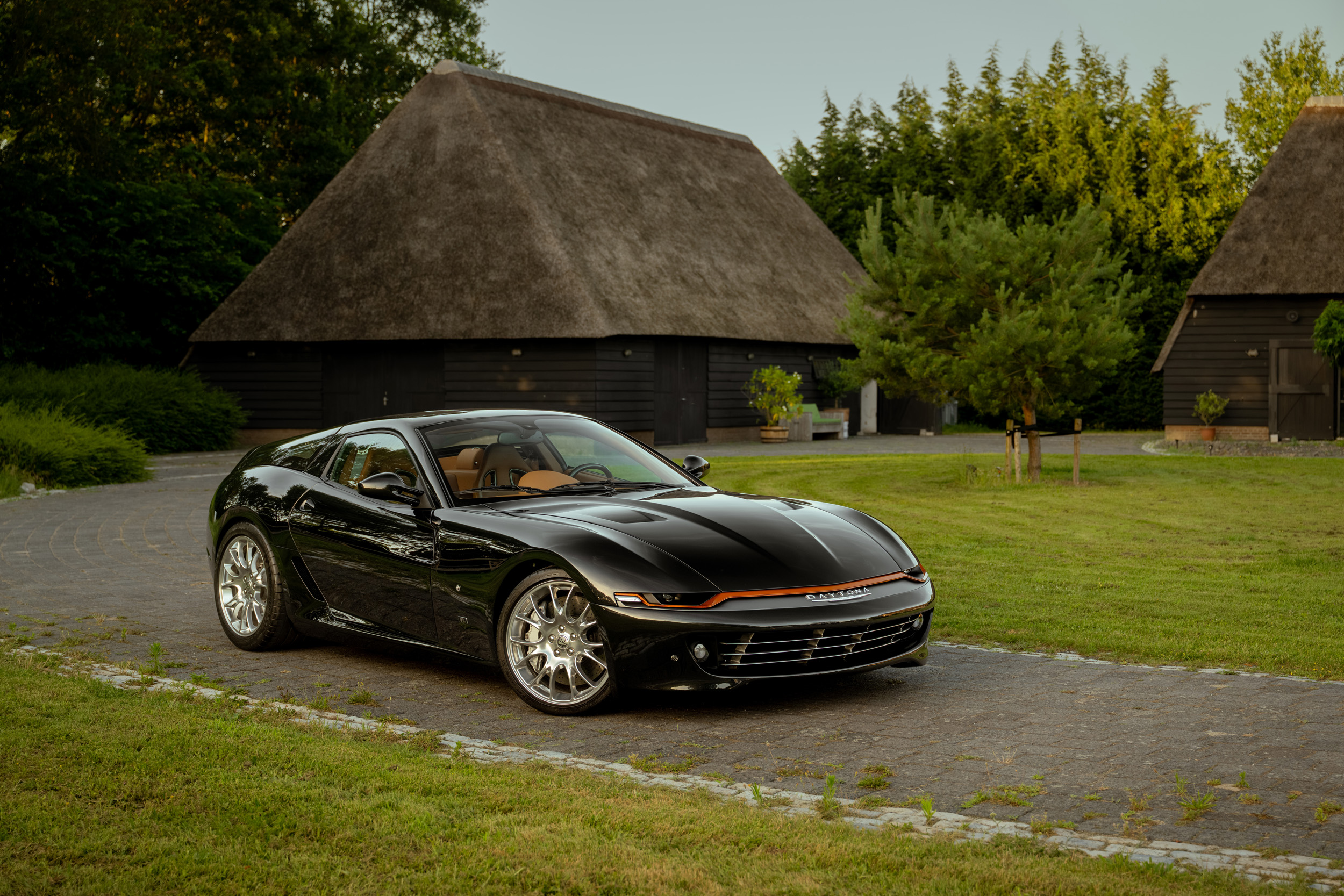
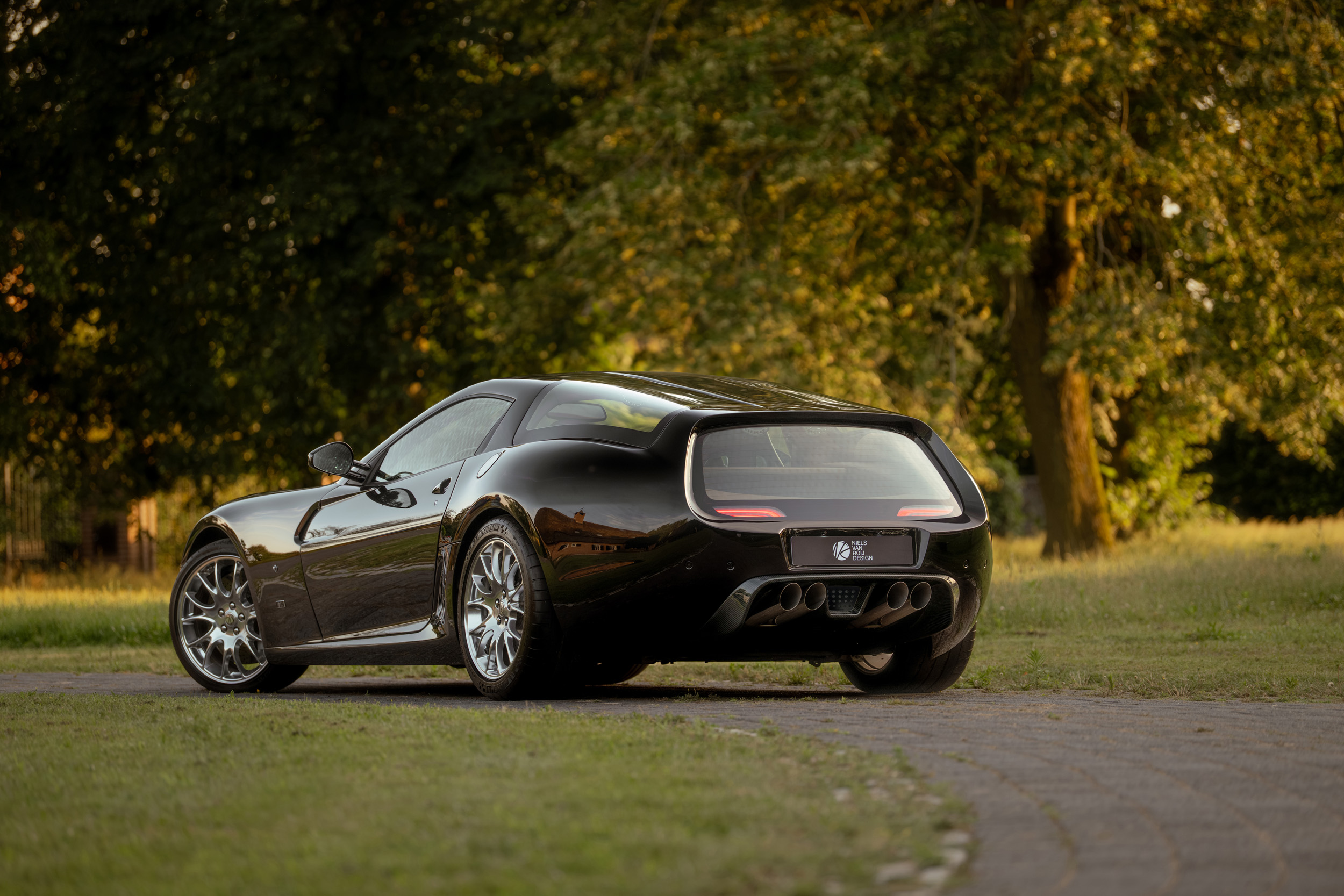
The brief was not to recreate the original car but to honour its spirit through a thoroughly contemporary lens. Every exterior body panel, with the exception of the doors, has been redesigned from scratch. The body is formed entirely in aluminium and defined by a continuous roofline that flows into a single sculptural shooting brake volume, resolved without a rear bumper interruption or visible rear shutlines.
The design process layered traditional hand sketching, full-scale clay modelling, digital surfacing, CAD engineering, and physical prototyping to arrive at a result that feels both disciplined and alive. Proportion, restraint, and sculptural clarity are the guiding principles throughout.
Bespoke Lighting and Front Architecture
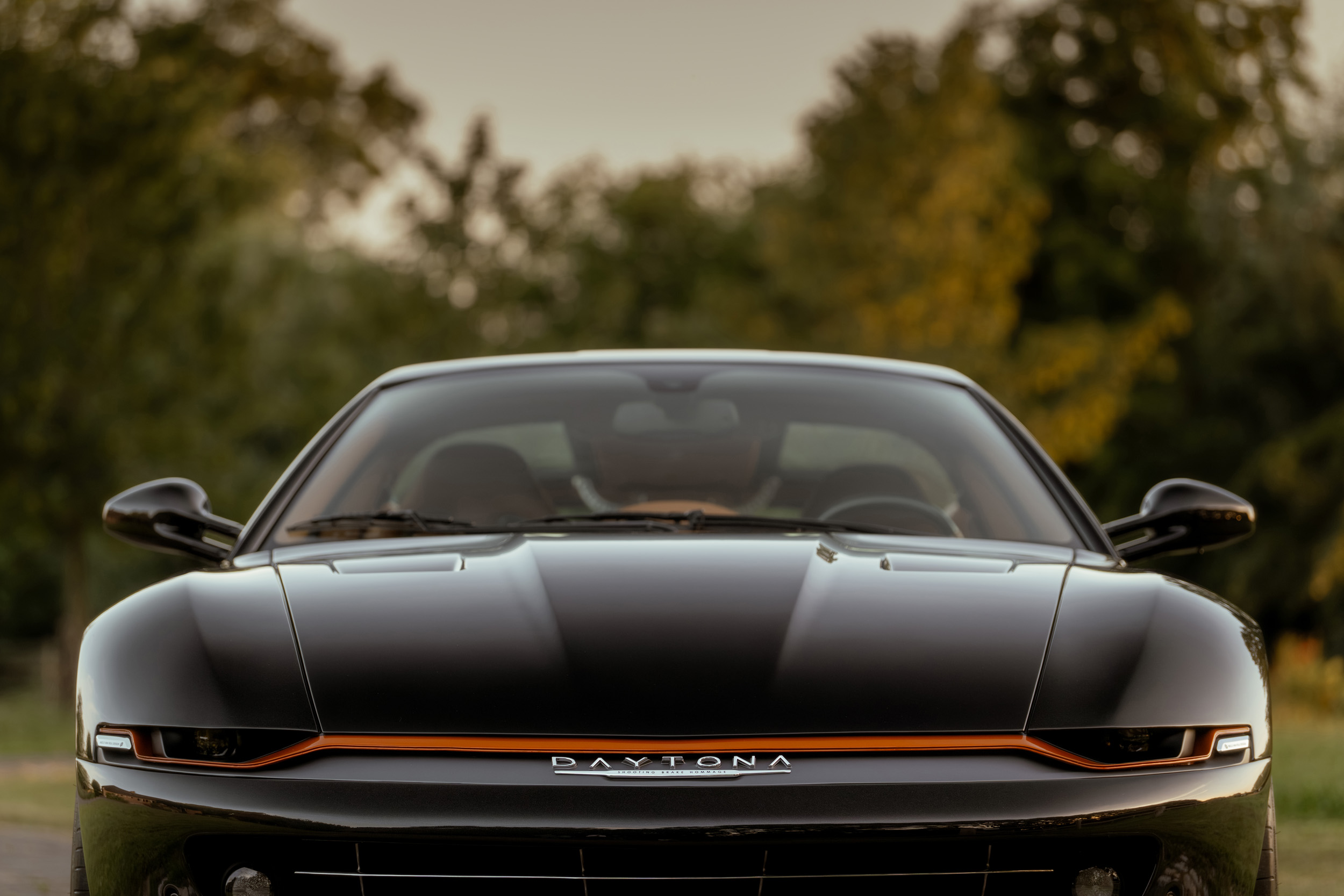
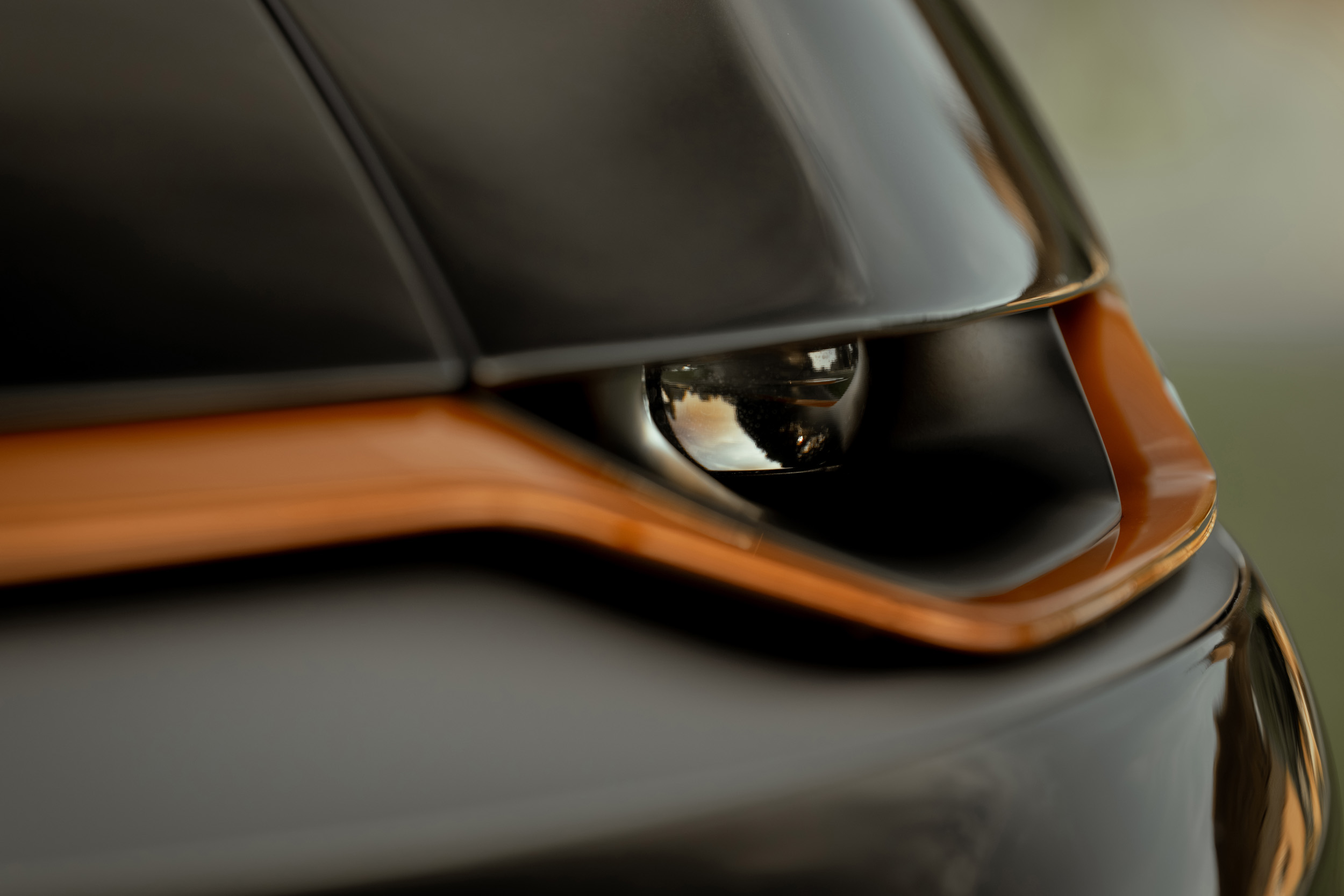
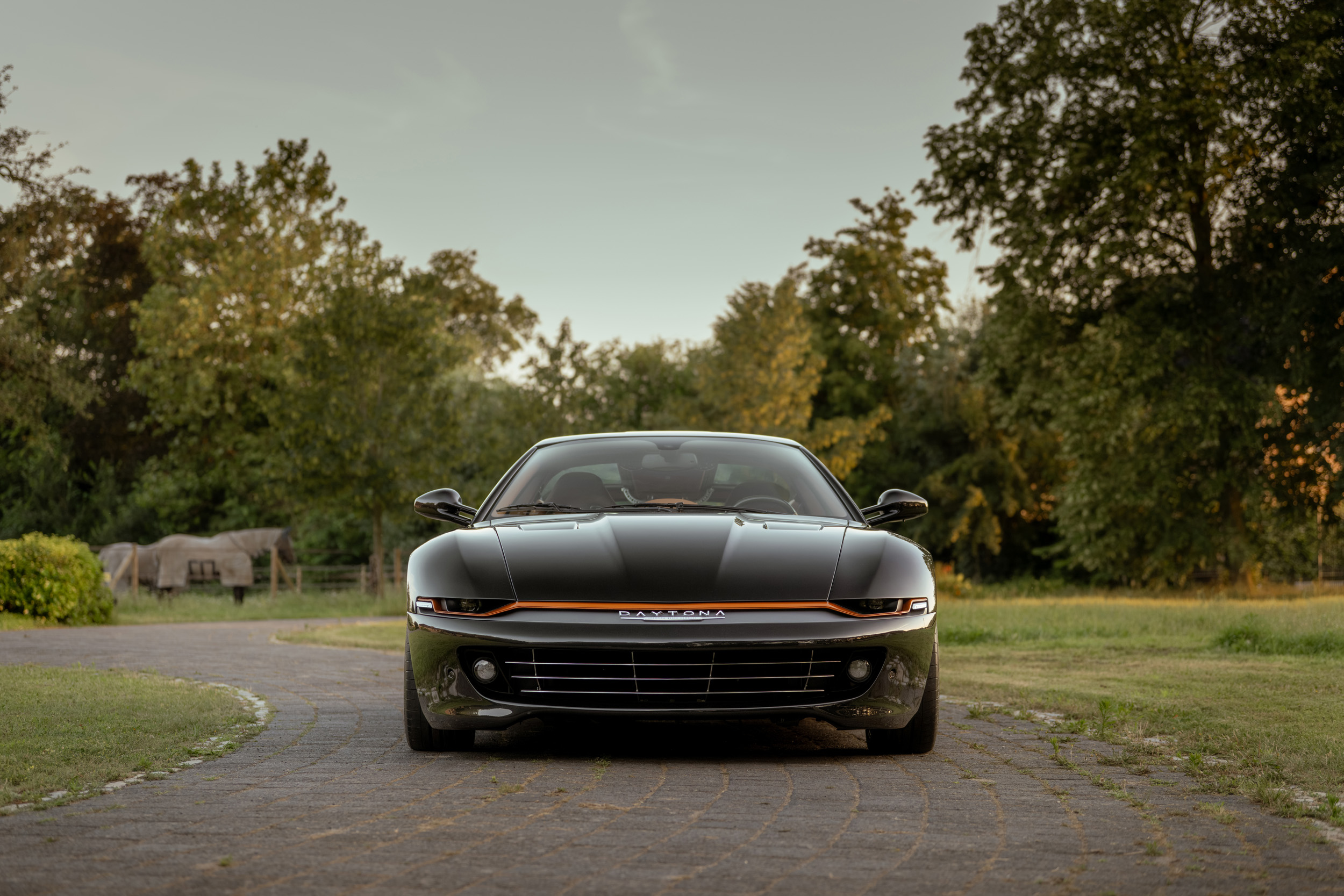
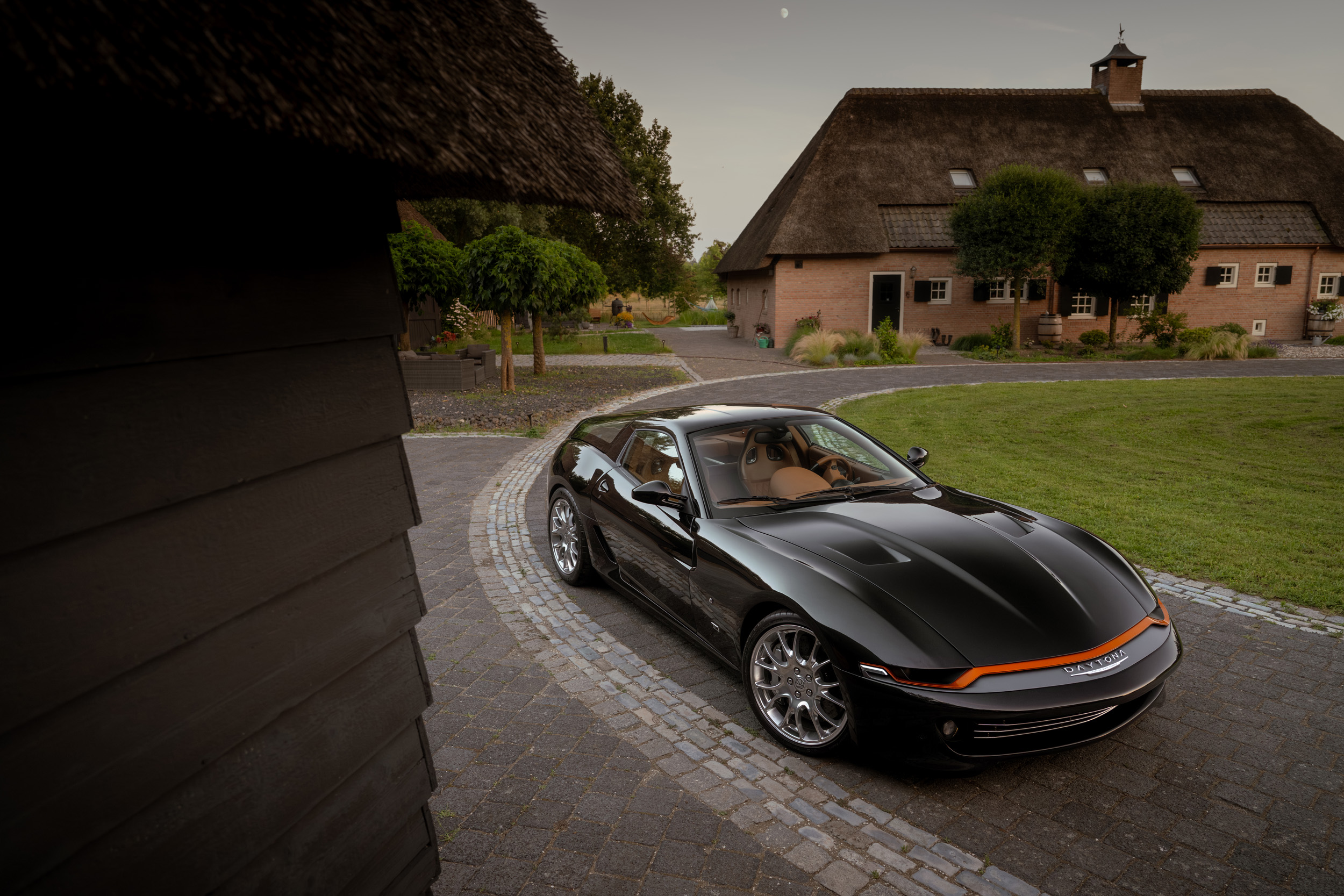
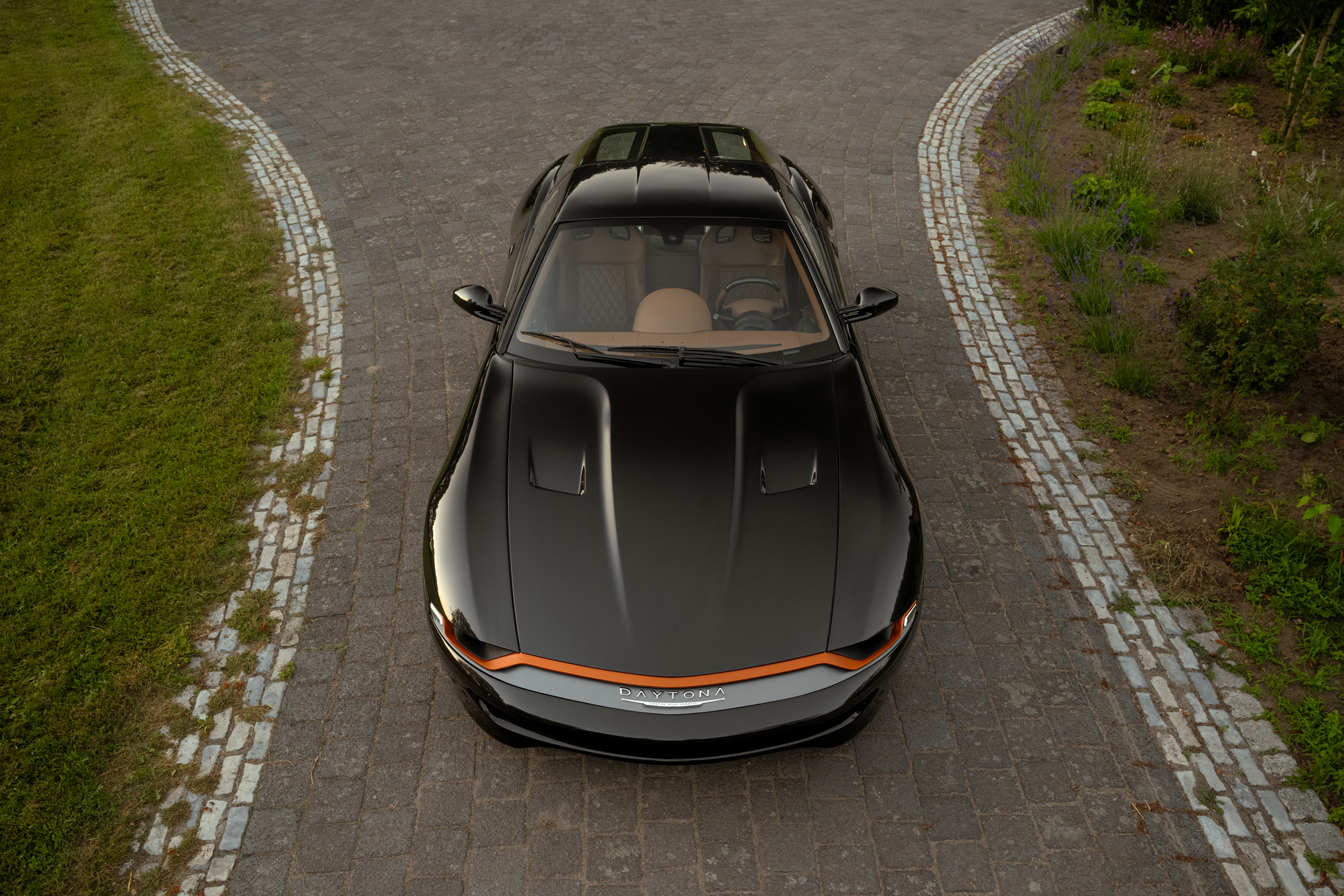
At the front, entirely new headlamp units were developed exclusively for this car. Conceived in CAD and produced in carbon composite 3D-printed elements, they reinterpret the amber graphic identity of the original through a wing-like sculptural volume integrated into the horizontal front composition. Where the 1972 car used a solid amber plastic unit, the Hommage translates that same identity into light, volume, and depth rather than surface application.
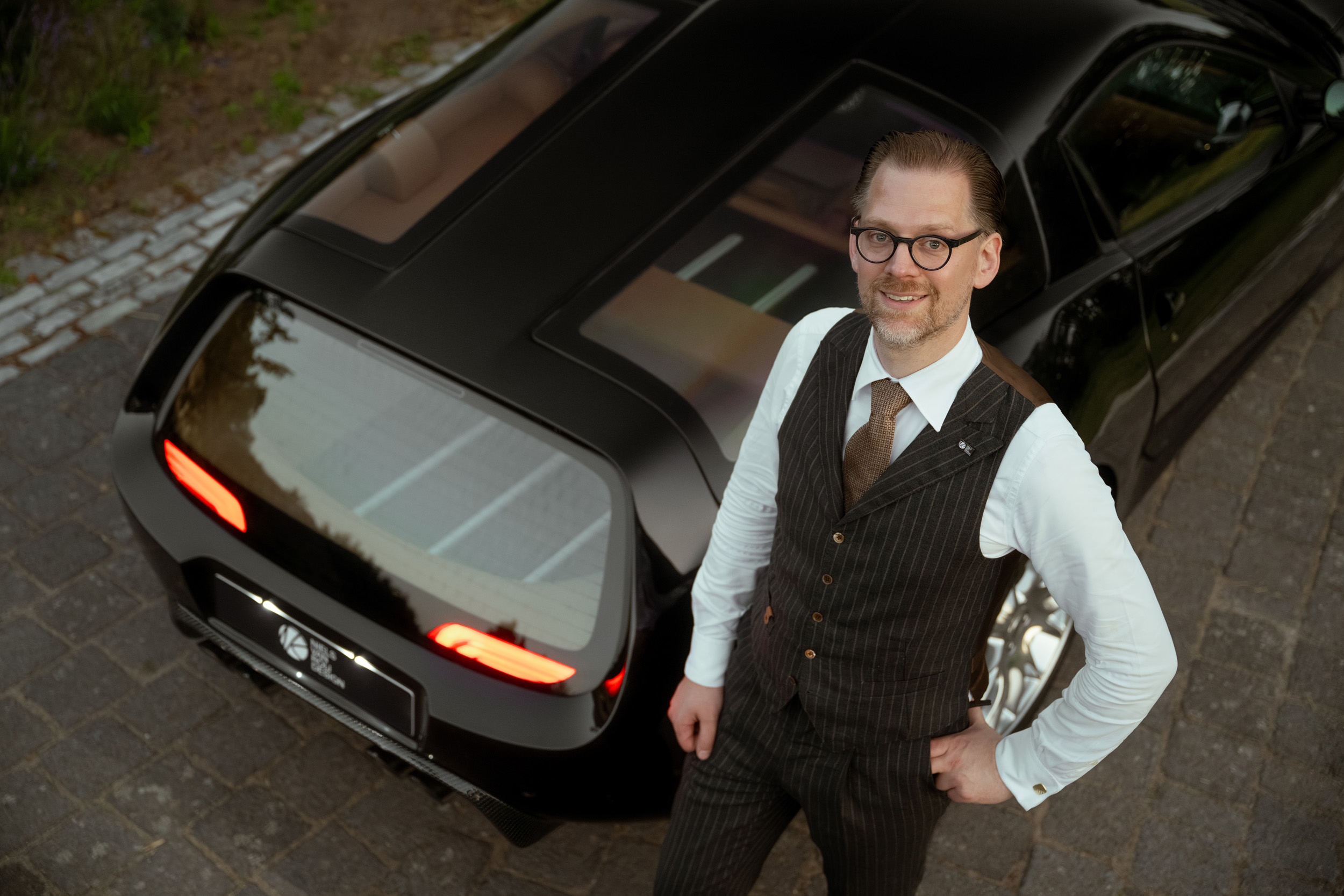
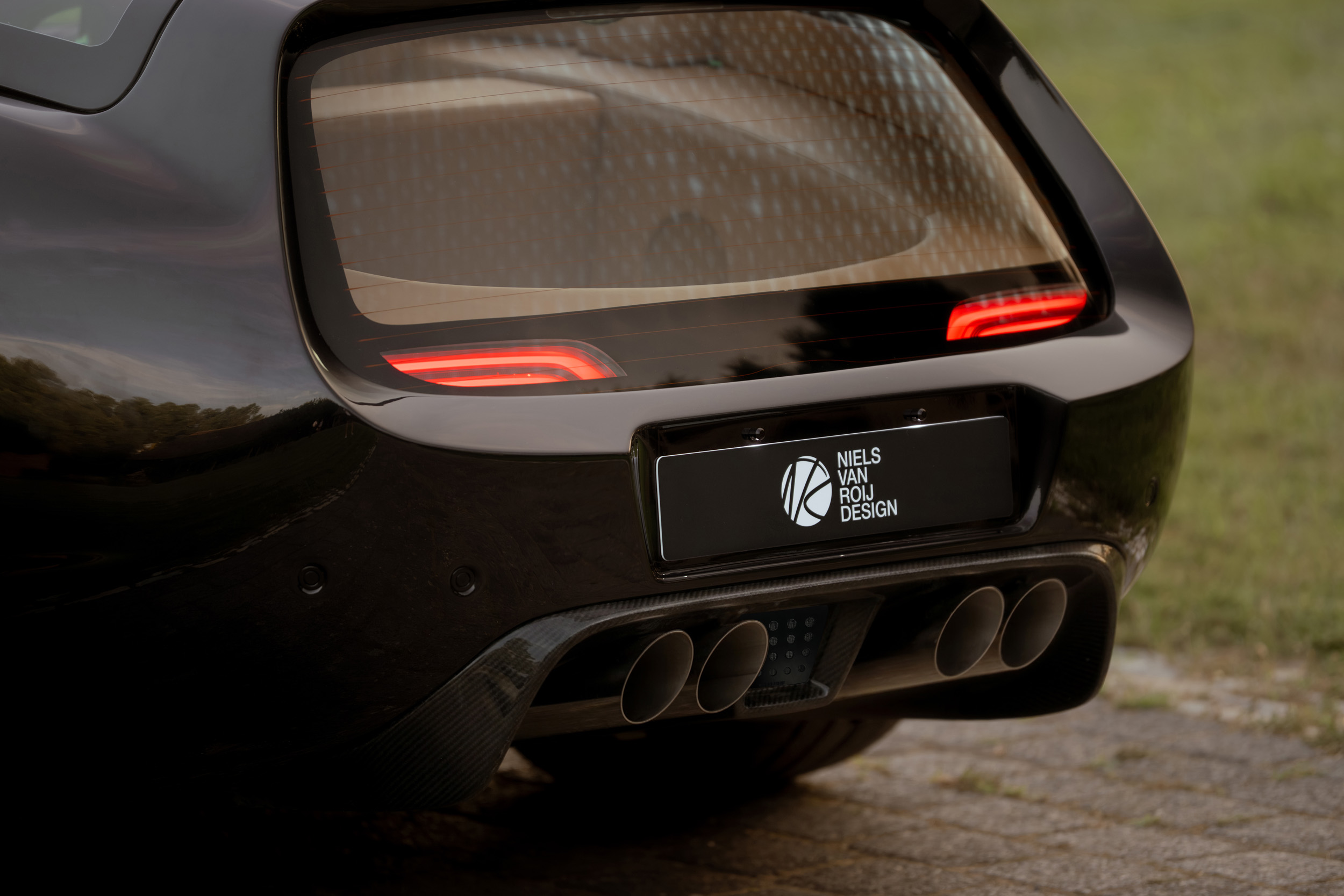
A full-width lighting unit incorporates precision-milled aluminium detailing with discreet studio signatures in black-lacquered lettering at the outer edges. The rear lighting is fully integrated behind tempered glass within a tightly resolved trapezoidal tail architecture, set deeply into the bodywork and forming a key part of the car’s visual identity.
A Cohesive Design Language From Nose to Tail
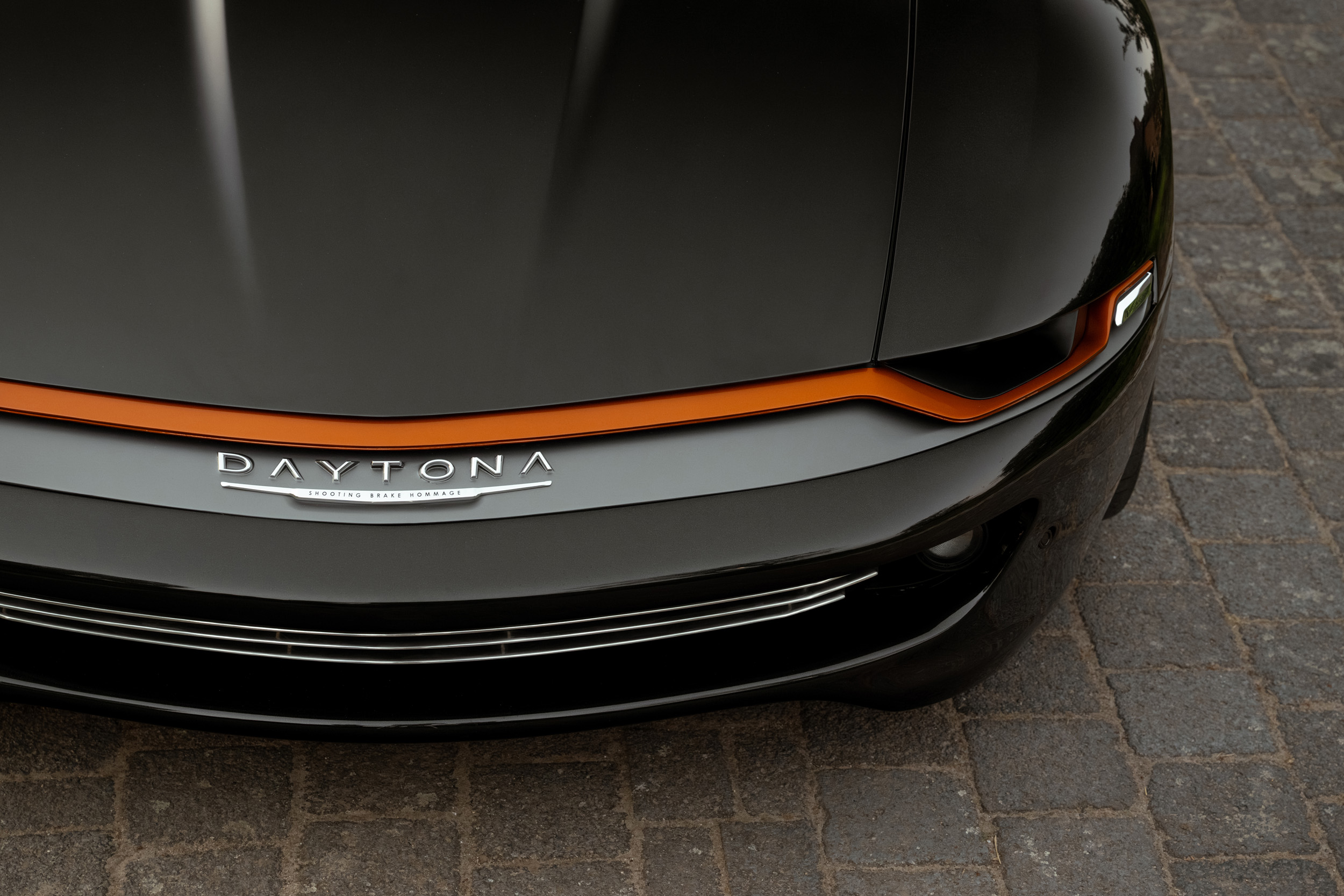
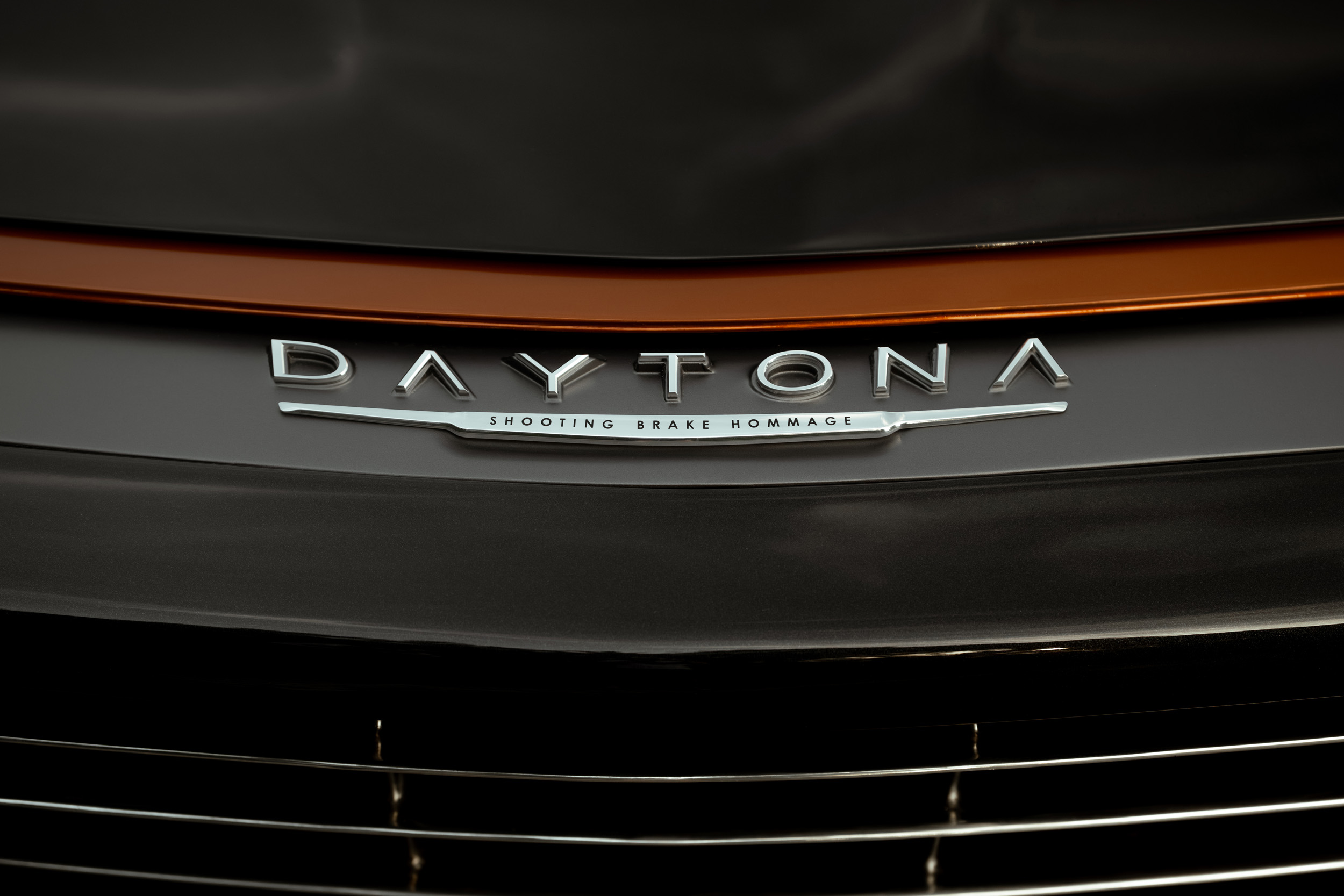
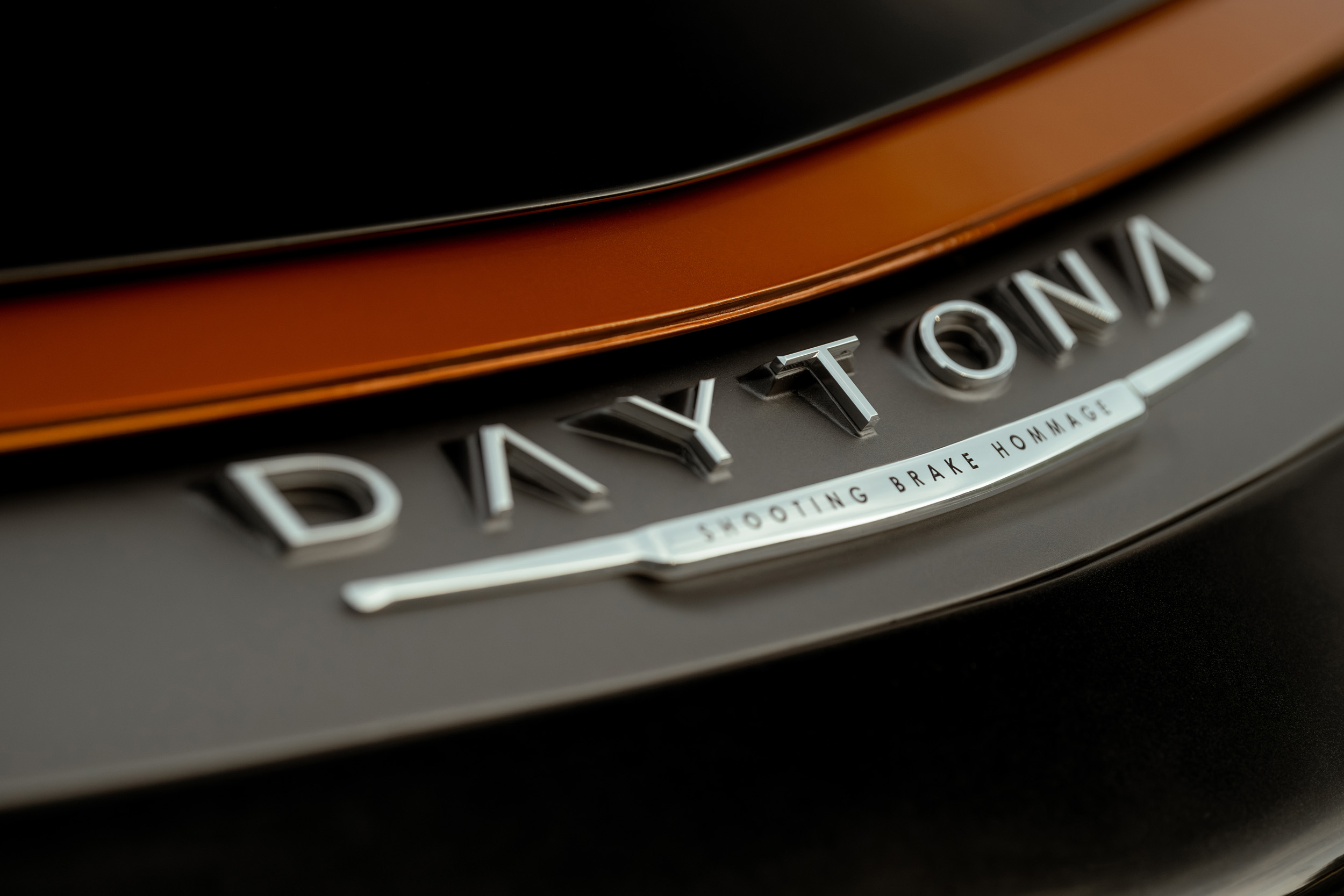
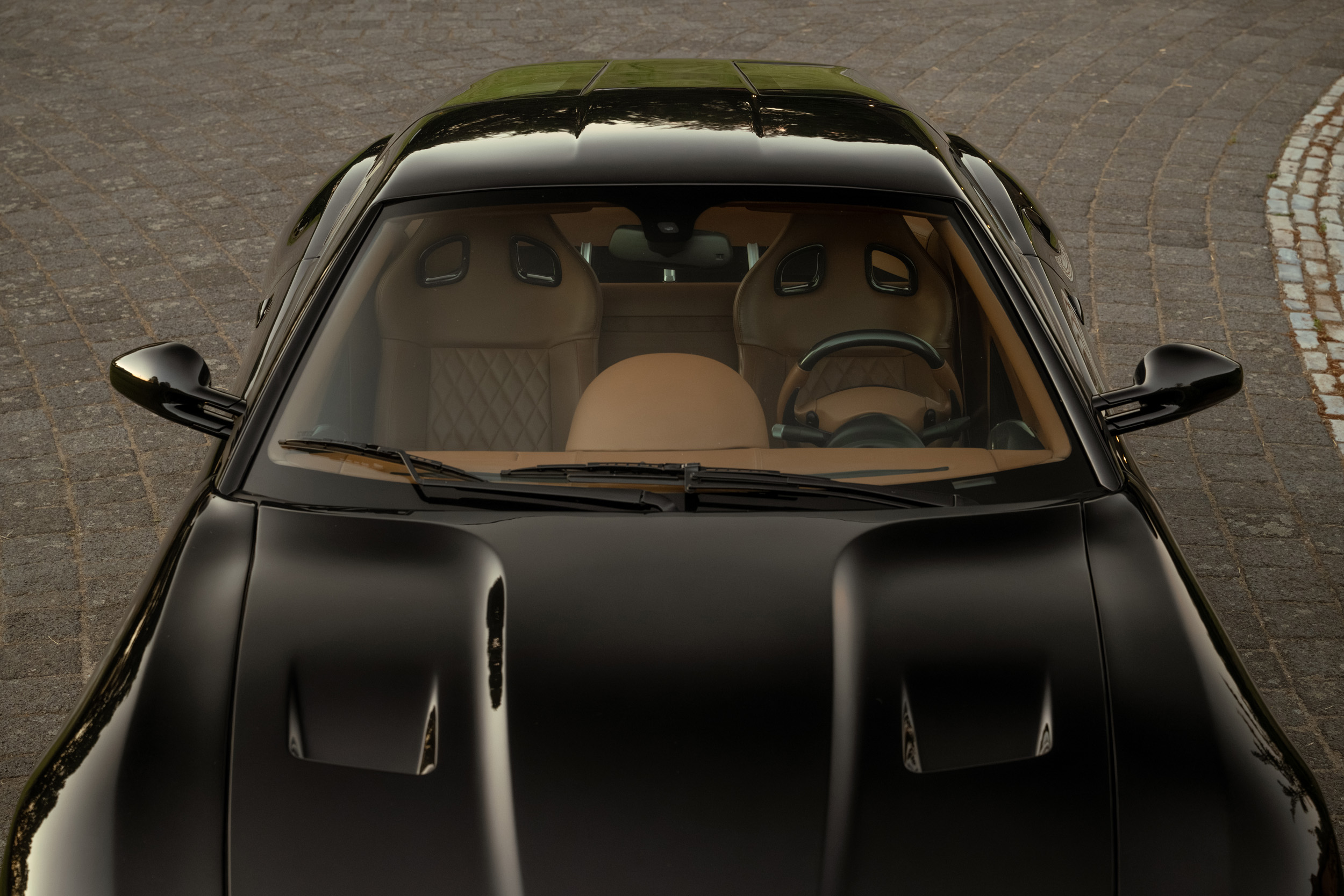
Niels van Roij Design has gone to considerable lengths to ensure that every line on the car connects to the next. A central bonnet power bulge flows from the roof down through the sculptural blade beneath the script, then continues into polished hand-formed vertical central grille vanes, establishing a strong visual axis through the front elevation.
The bonnet shutlines extend into the amber lighting blade, where they initiate a subtle change in direction before carrying a contrasting graphic beneath the headlamp units. Below that amber wing, the same line re-emerges as the outer vertical grille blades, visually uniting the lighting and grille into a single composition. A third family of lines originates at the leading edge of the front wings, flows into the heart of the headlamp, picks up the amber wing again, and intersects the outer edge of the grille with deliberate precision.
The dialogue between horizontal and vertical themes creates a disciplined graphic in which every element relates to the one beside it. Polished aluminium jewellery details, the deep metallic amber blade, a grey base unit and black headlamp surrounds form a carefully resolved geometry conceived as interconnected components of a singular coachbuilt whole.
Butterfly Windows and Luggage Compartment Detail
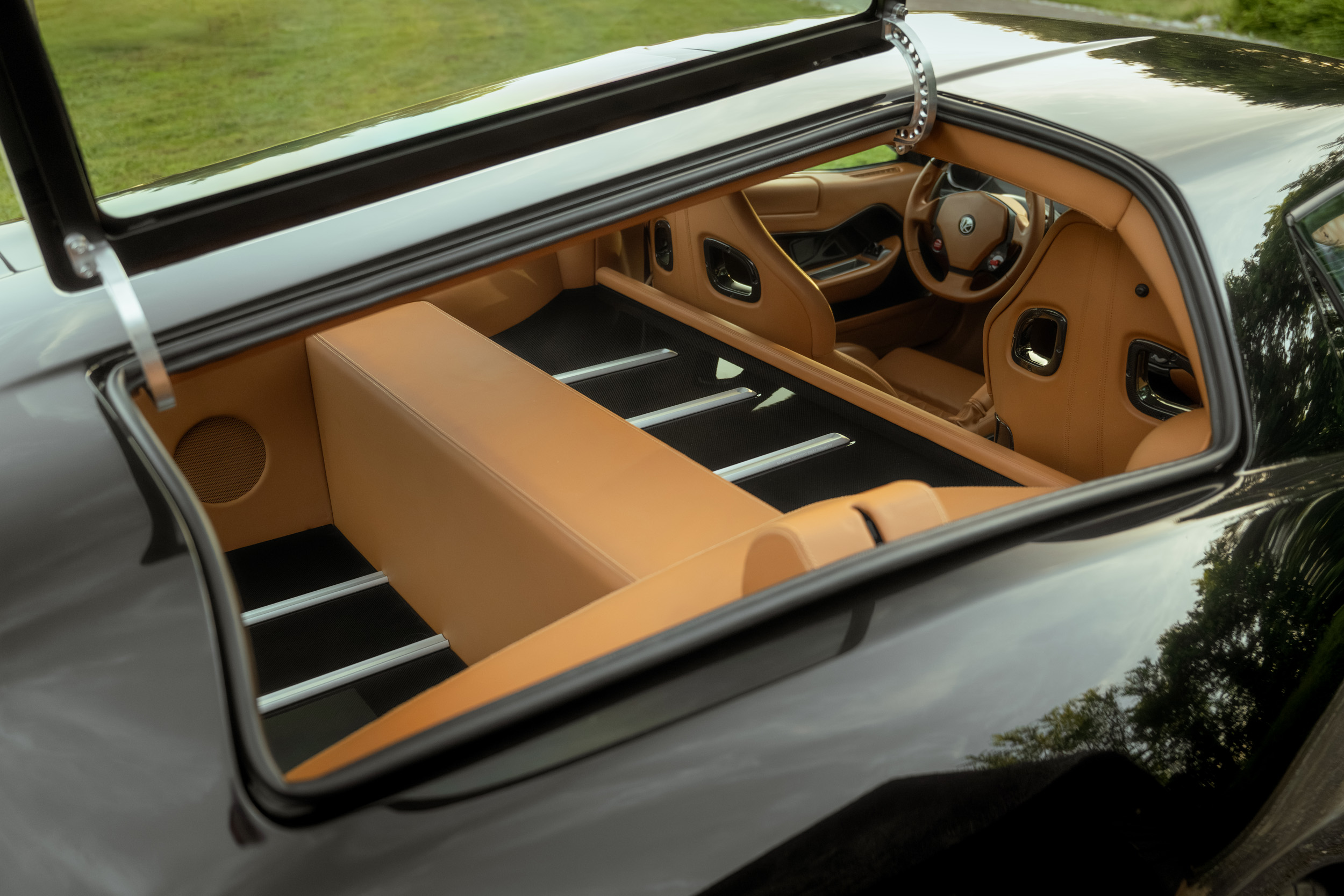
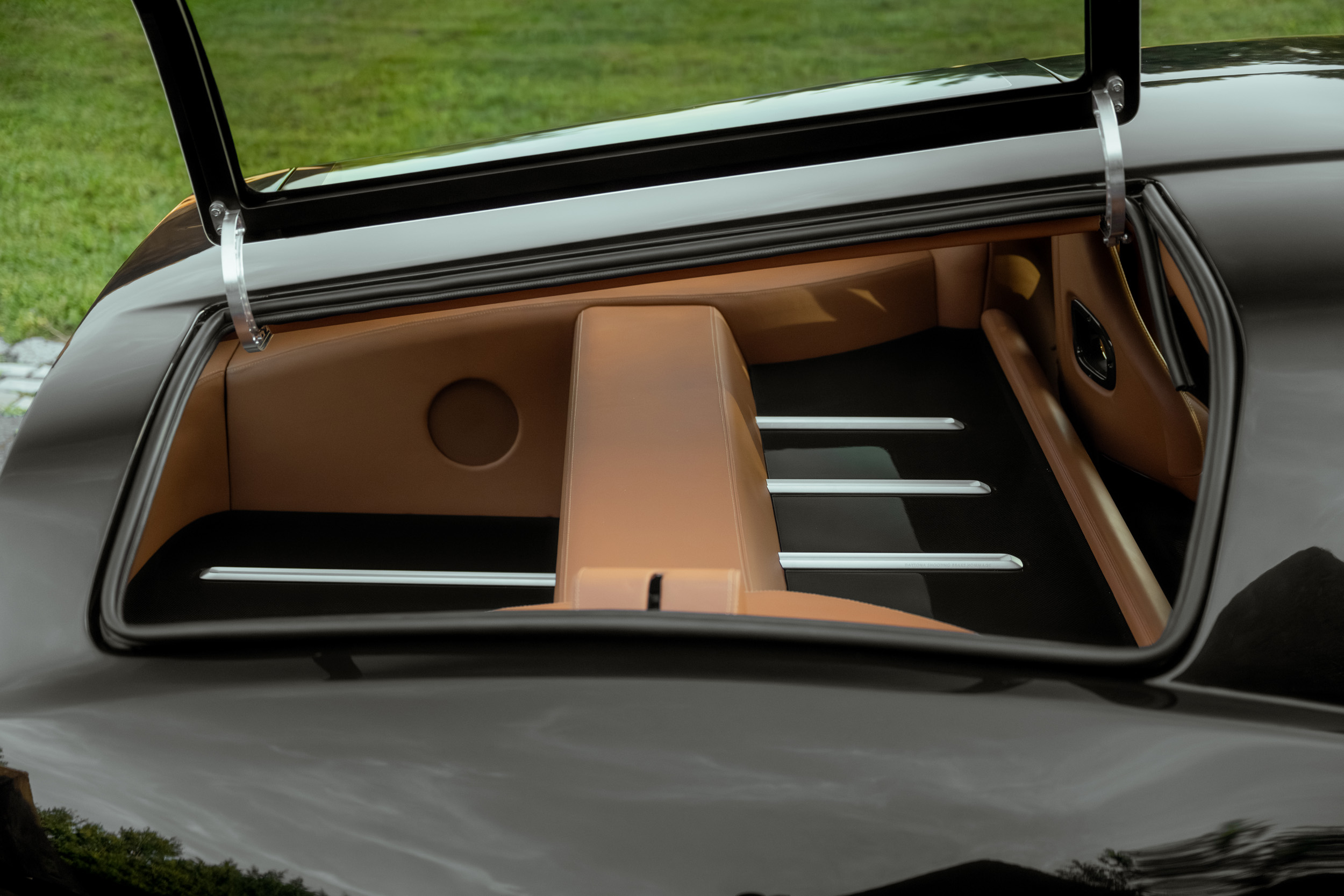
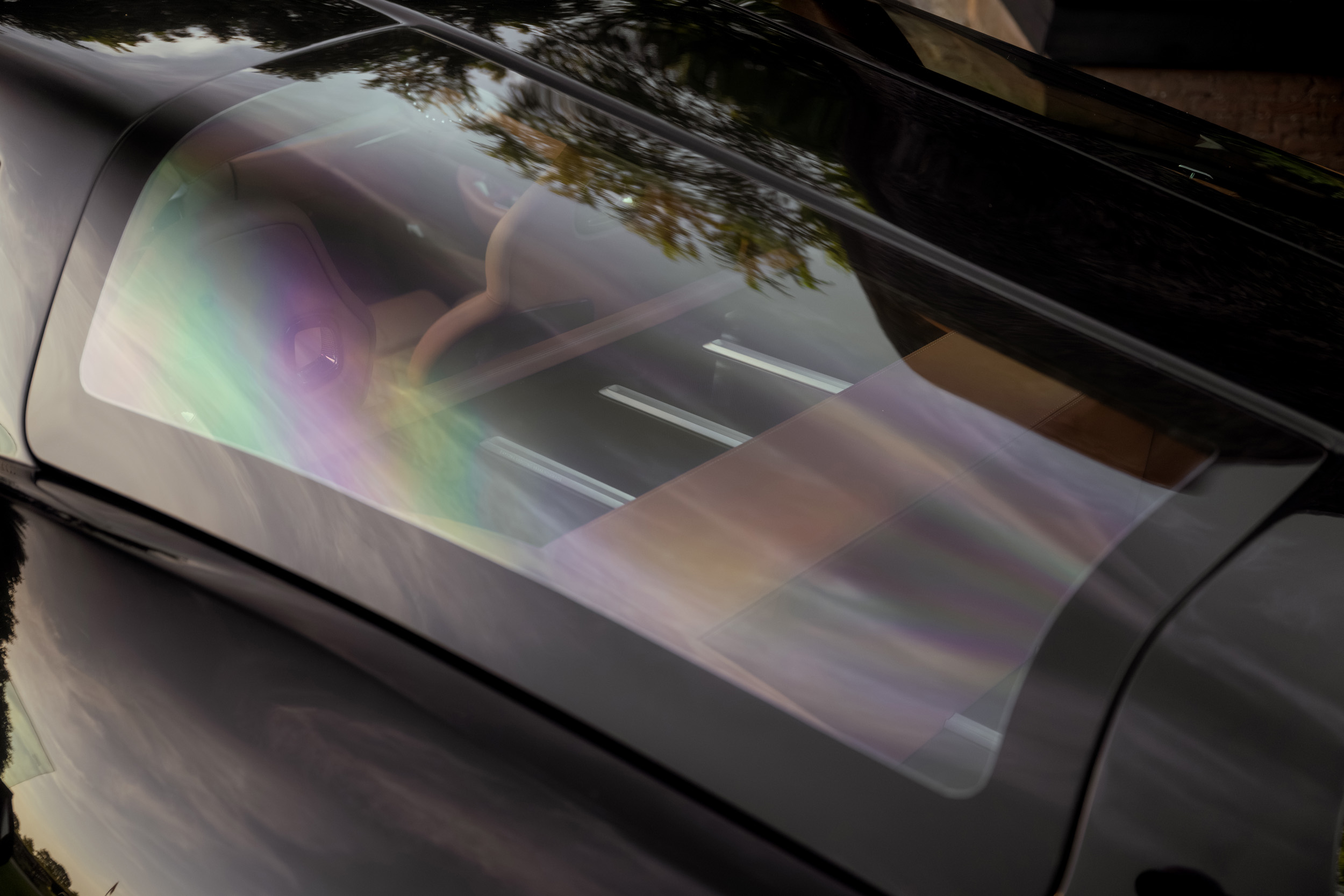
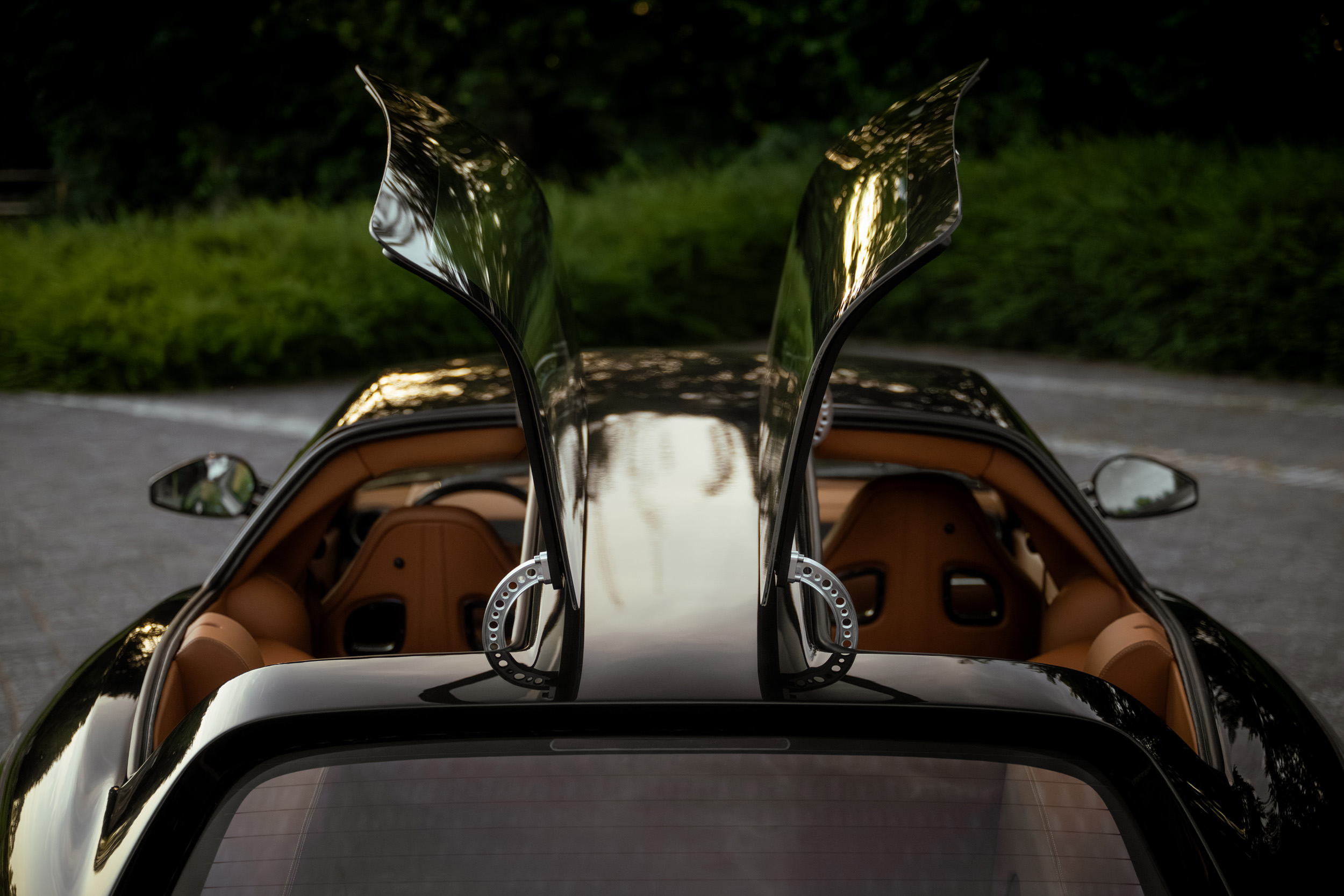
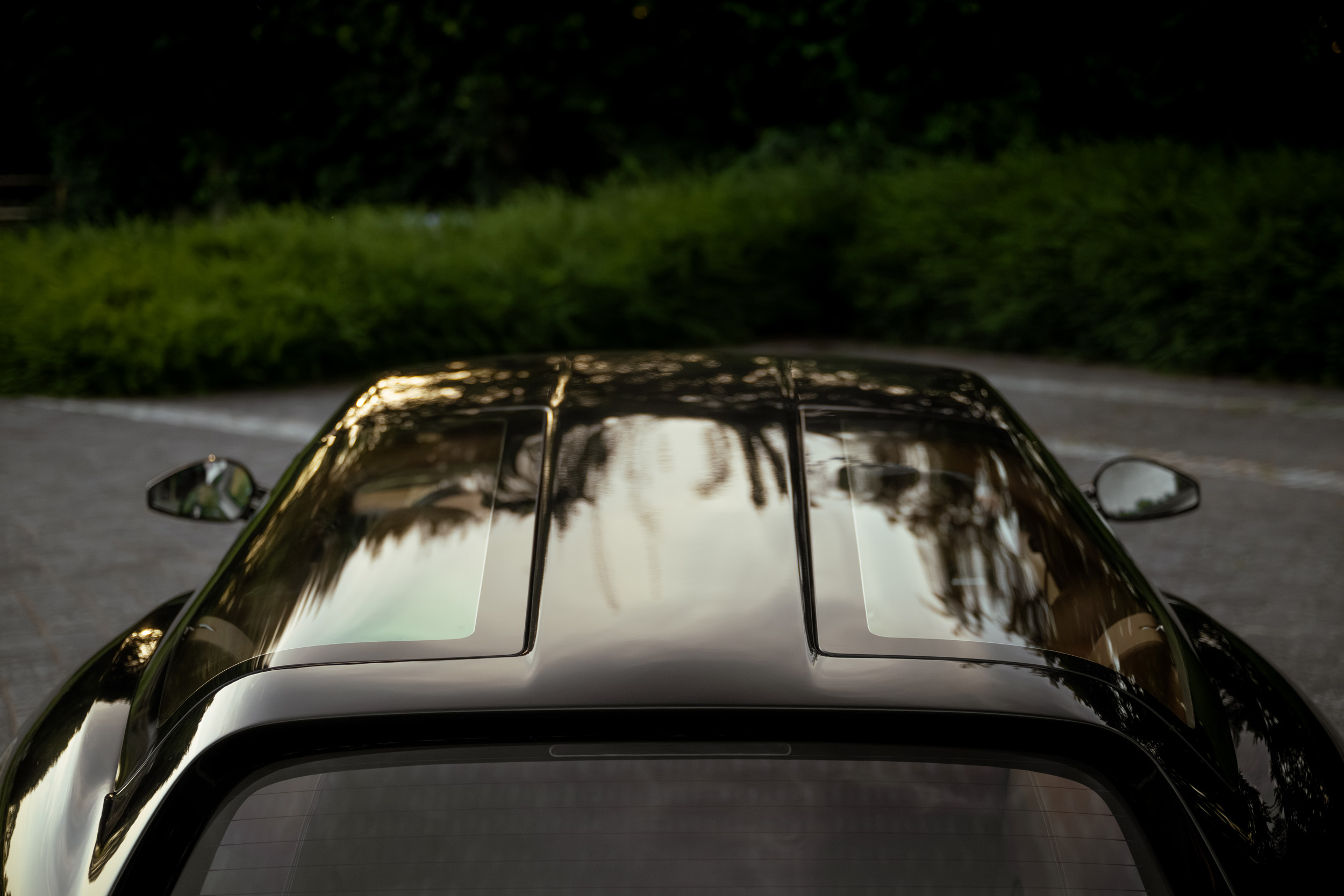
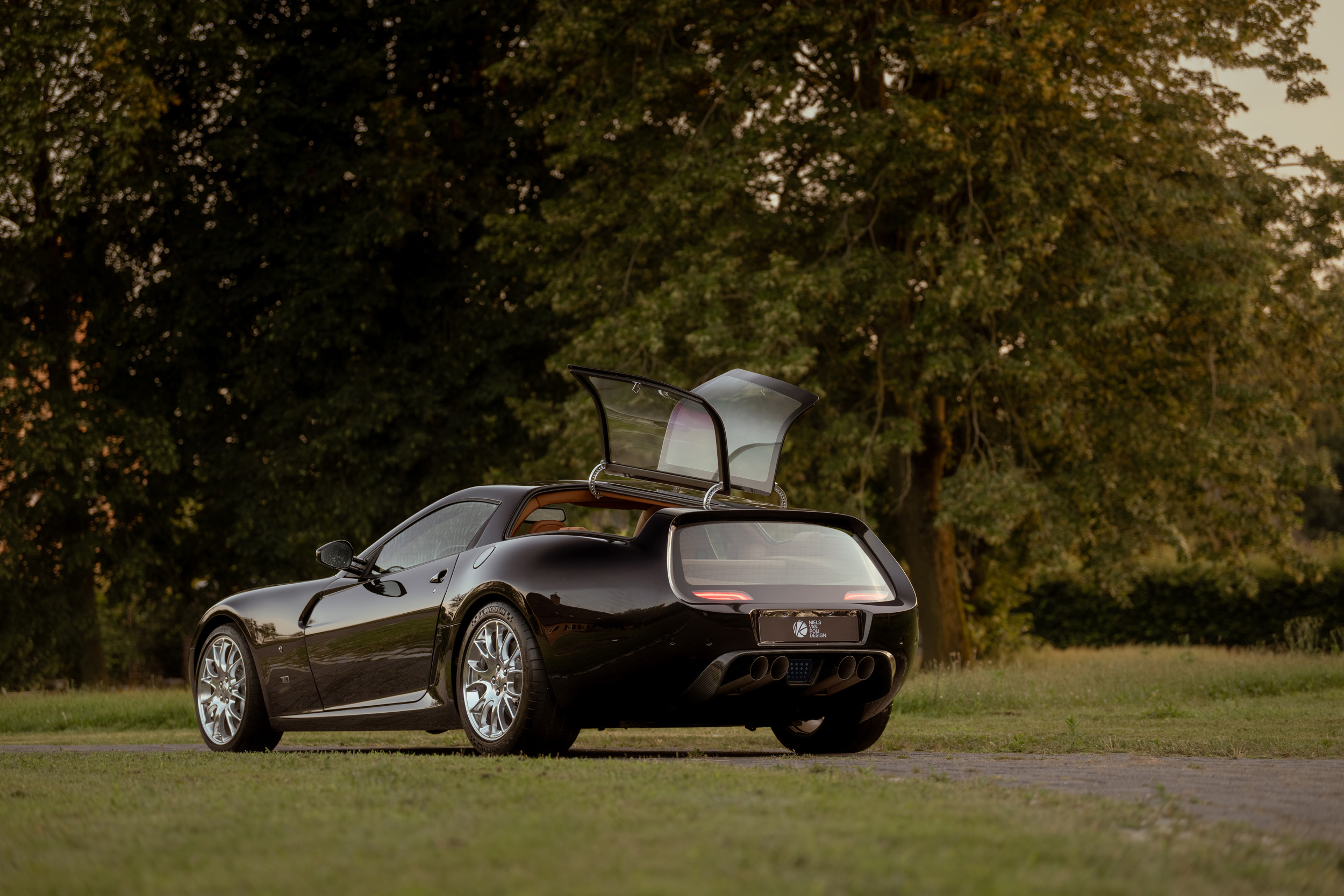
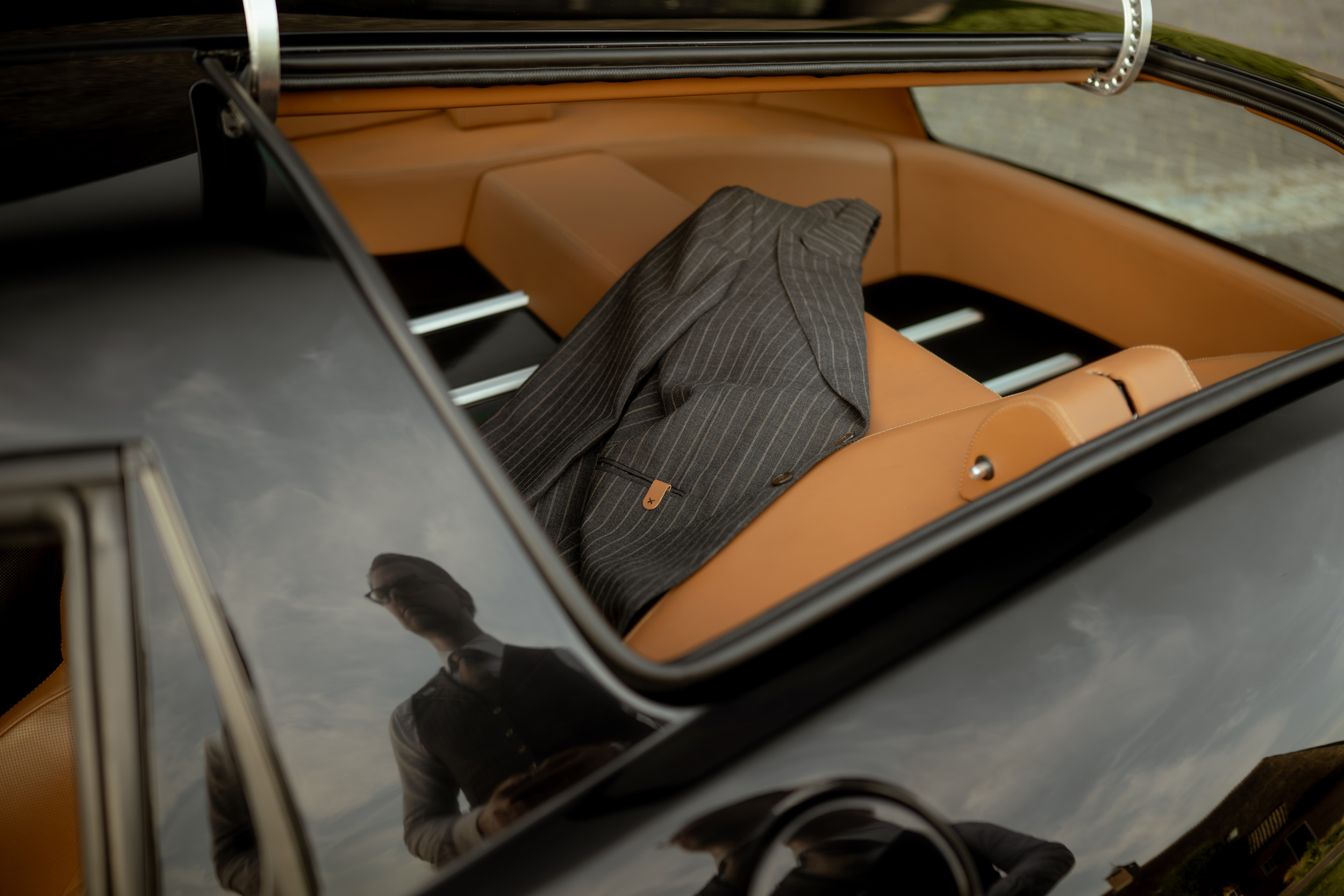
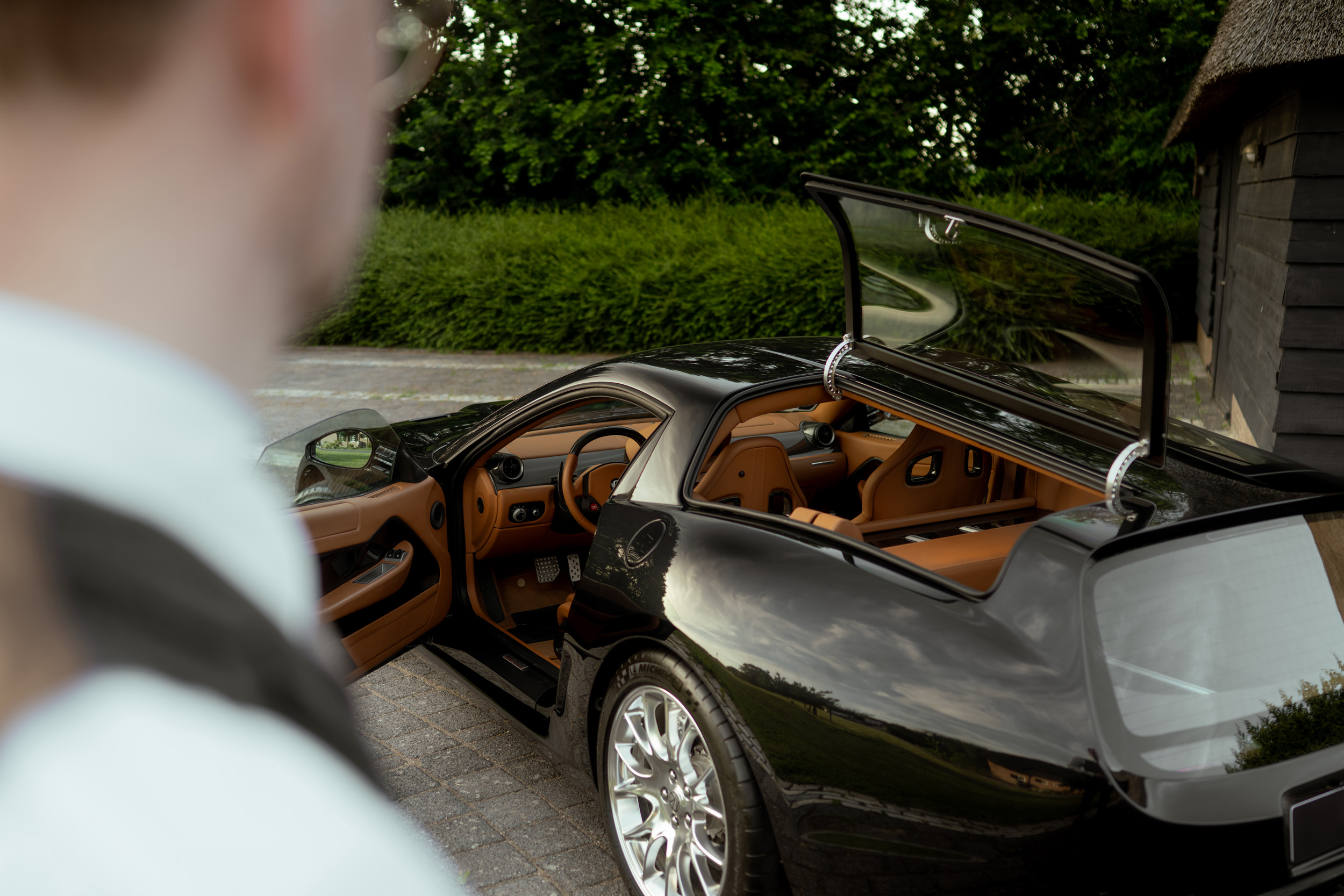
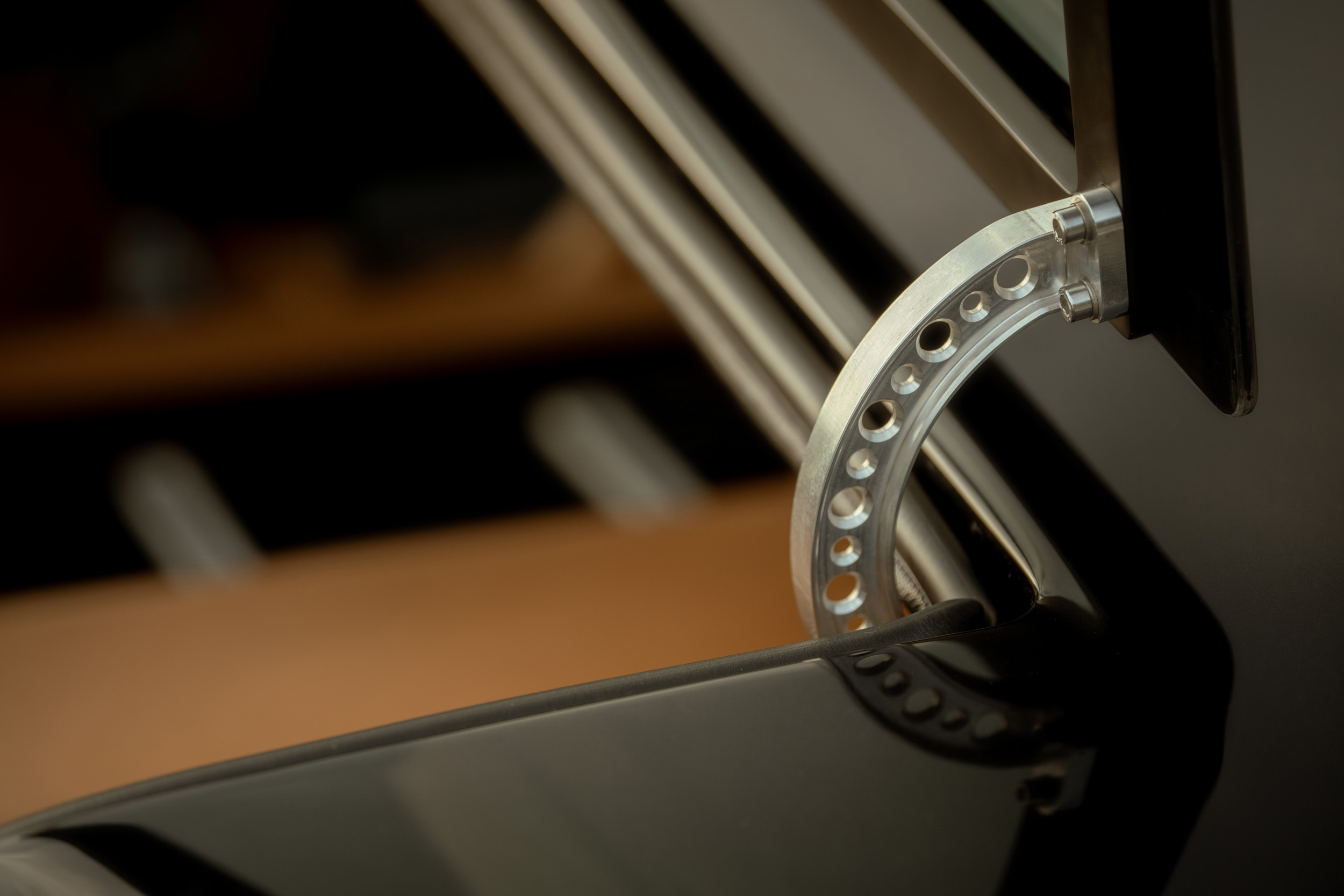
Access to the luggage compartment is provided by electrically operated butterfly side windows mounted on precision-milled aluminium hinges with drilled detailing. Rather than concealing these mechanisms, the studio treats them as exposed engineering jewellery, an honest celebration of function. The rear glazing remains fixed, preserving visual calm and formal purity.
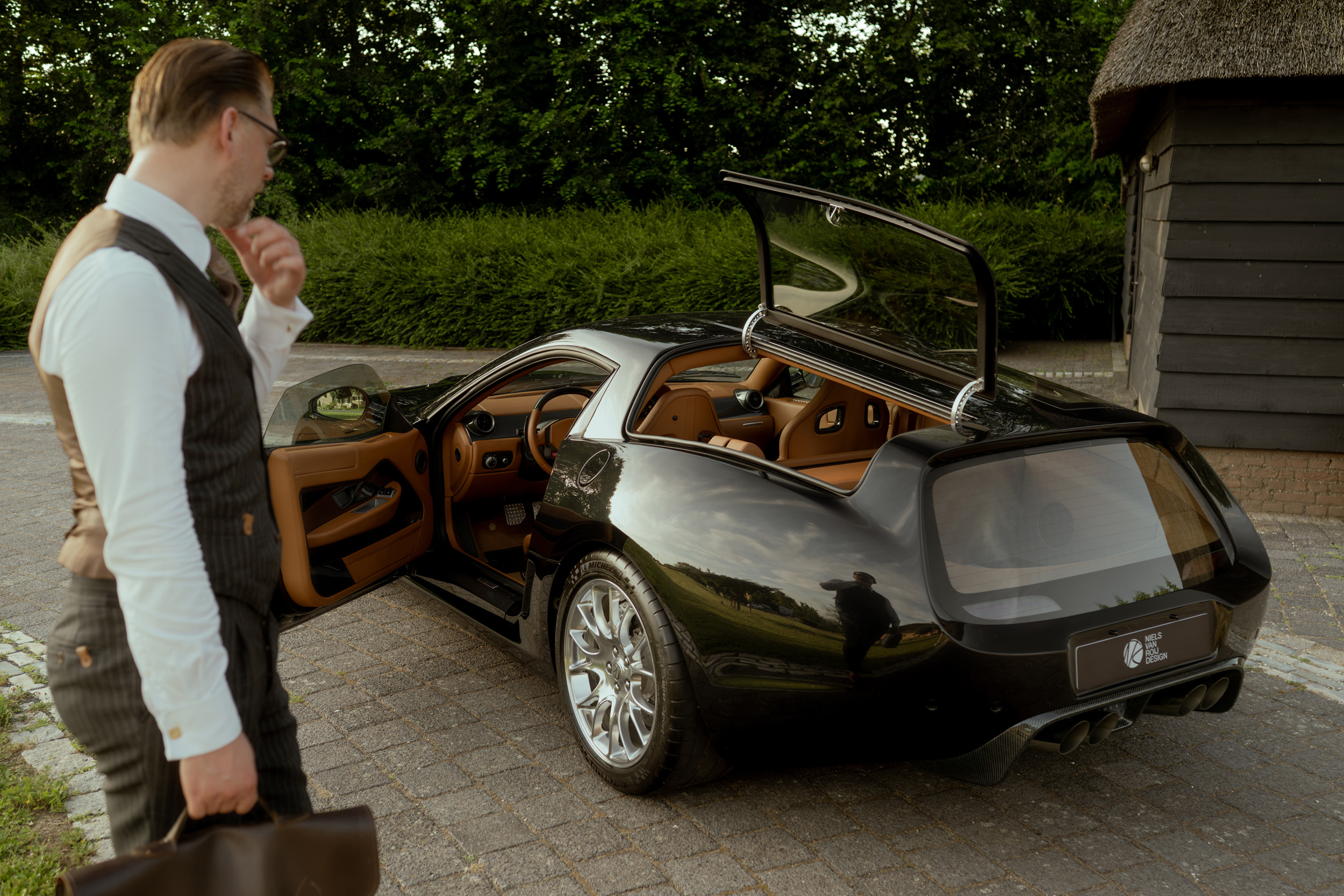
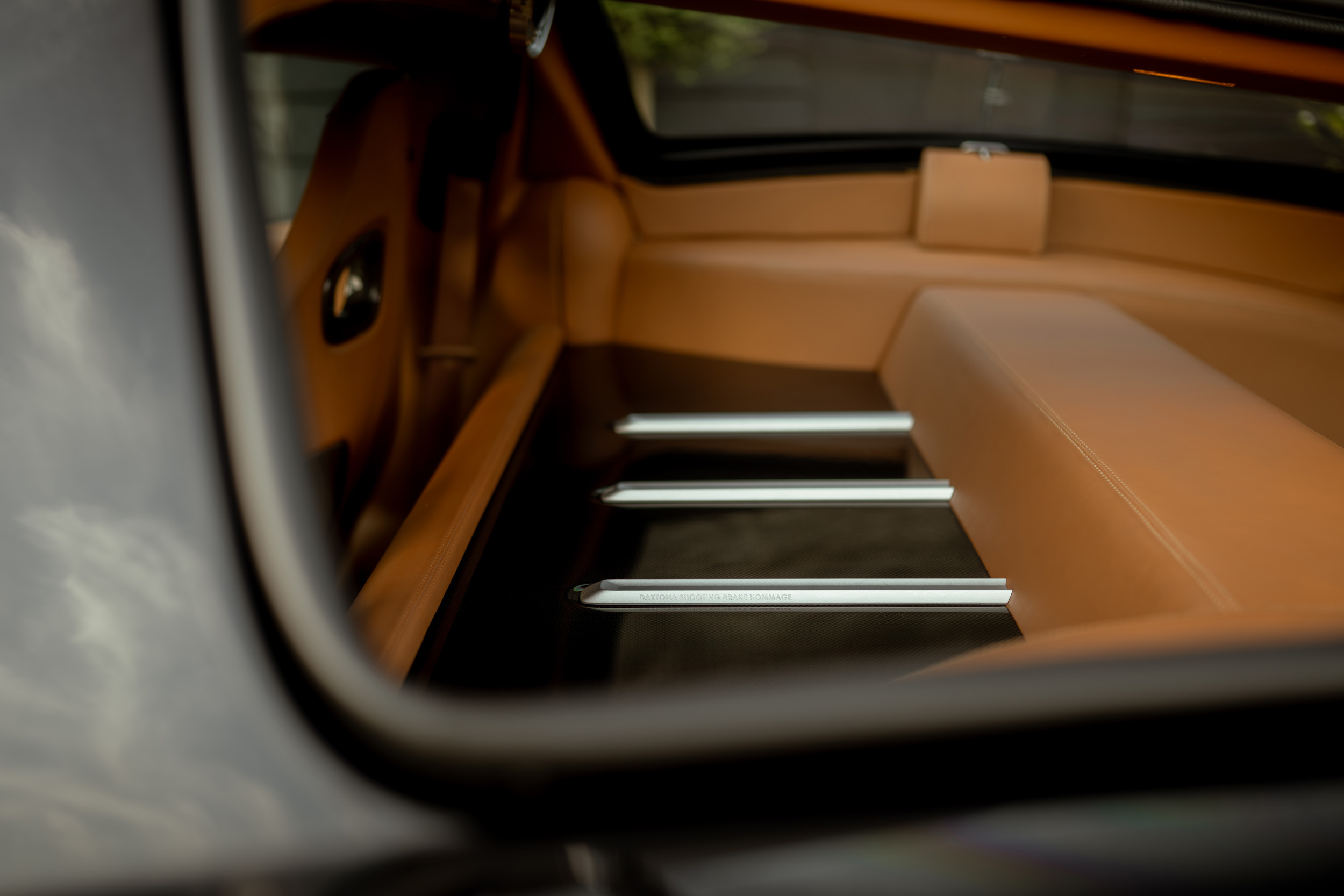
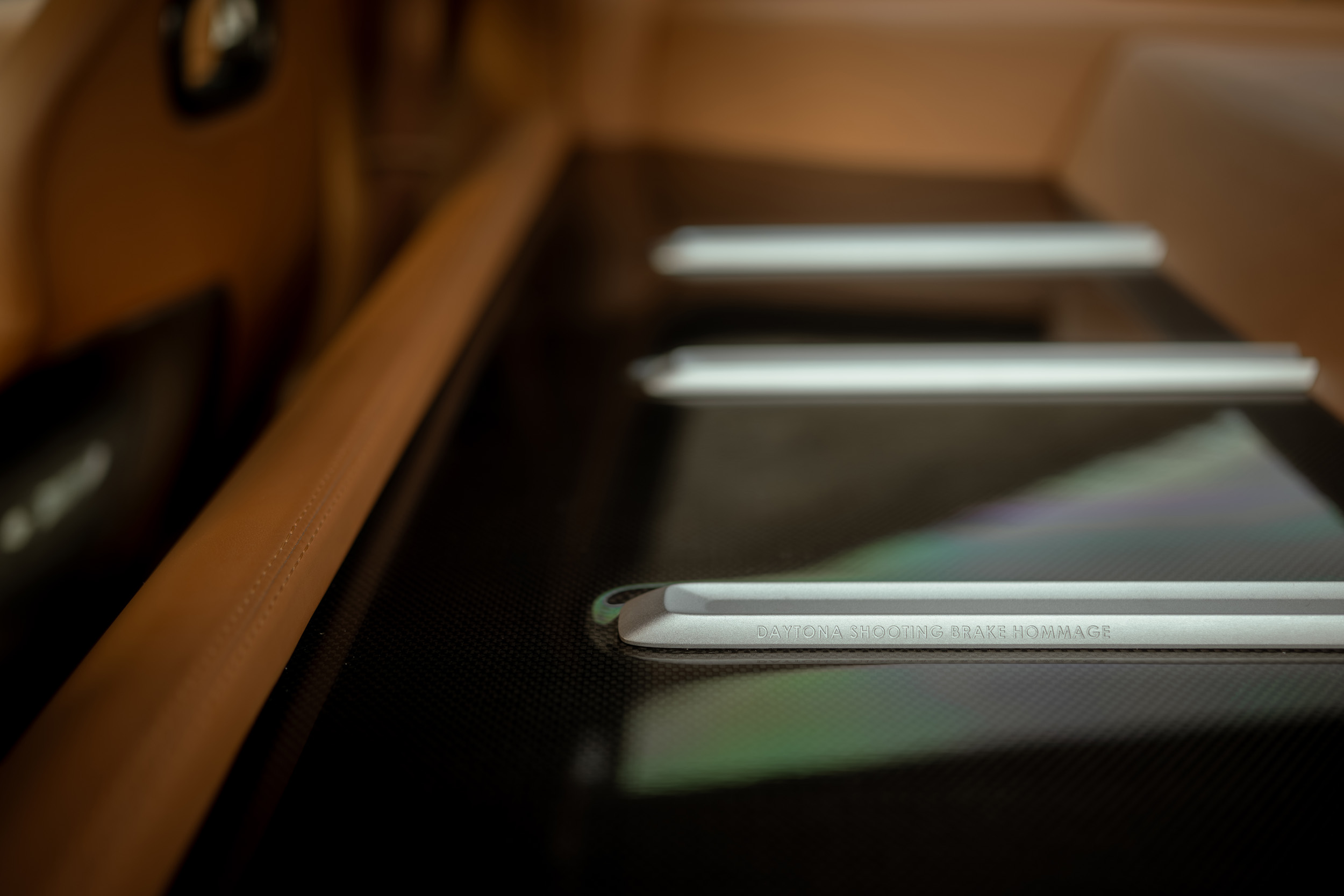
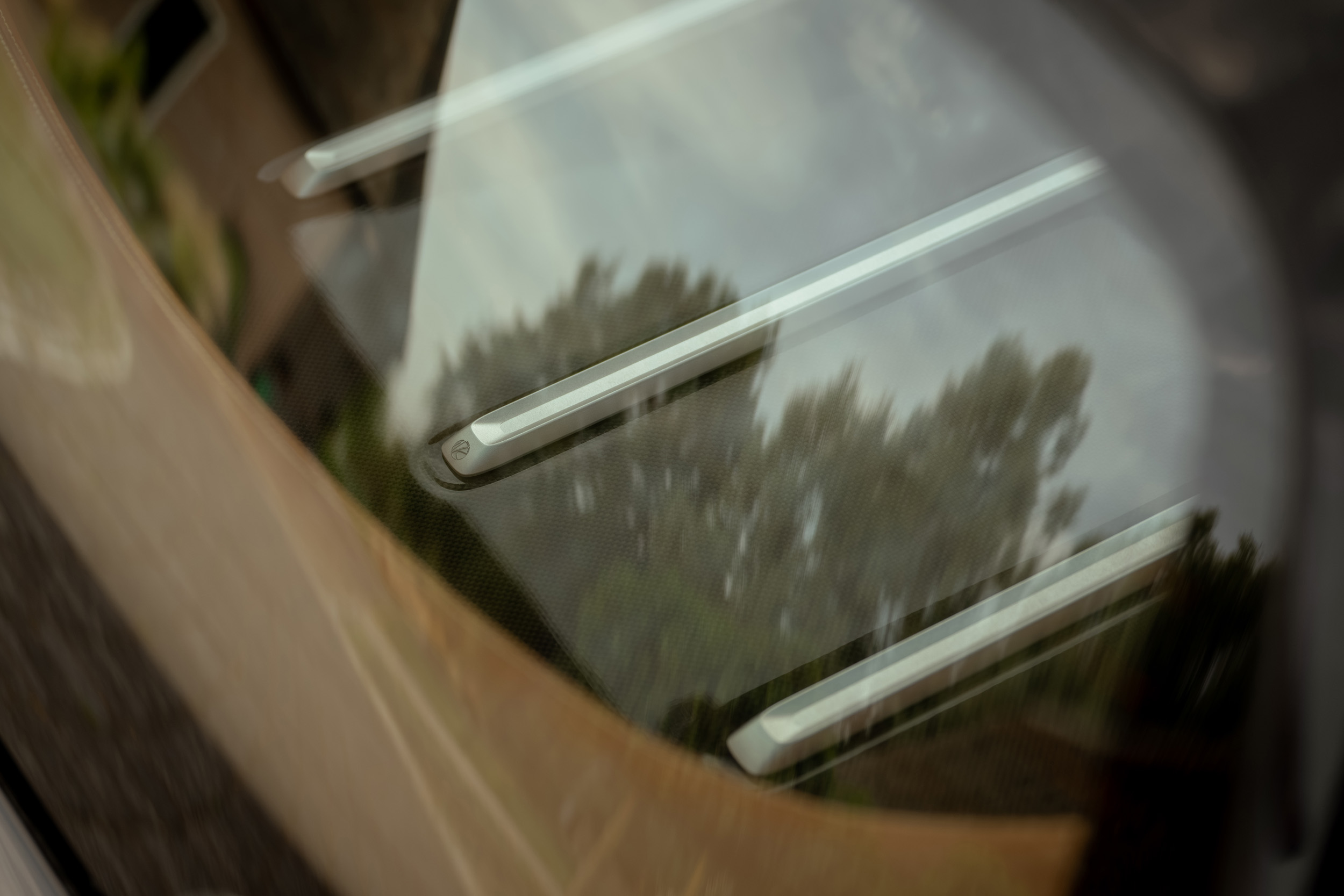
Inside the luggage compartment, six bespoke three-dimensionally shaped aluminium runners are CNC-machined and brushed to match the gearbox selector panel, then seamlessly integrated into the carbon-fibre floor structure. Their placement establishes a precise visual rhythm across the load surface, giving the space an almost architectural quality.
The outer runners are engraved with the car’s full name, legible only through the side glazing, while the central element incorporates the Niels van Roij Design roundel on each side, one visible only through the rear window and the other revealed solely from within the cabin.
Interior: Material Hierarchy and Hand-Shaped Surfaces
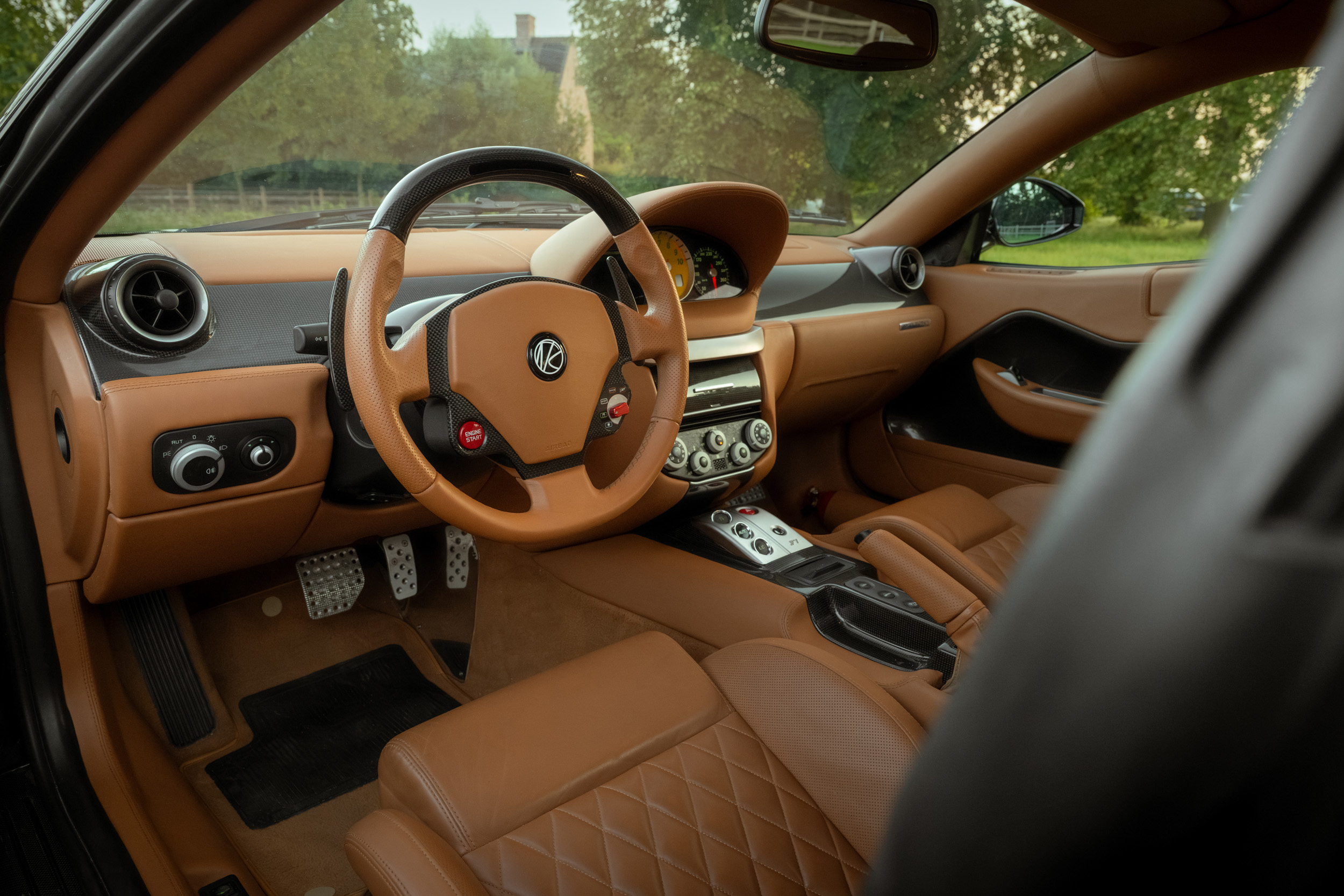
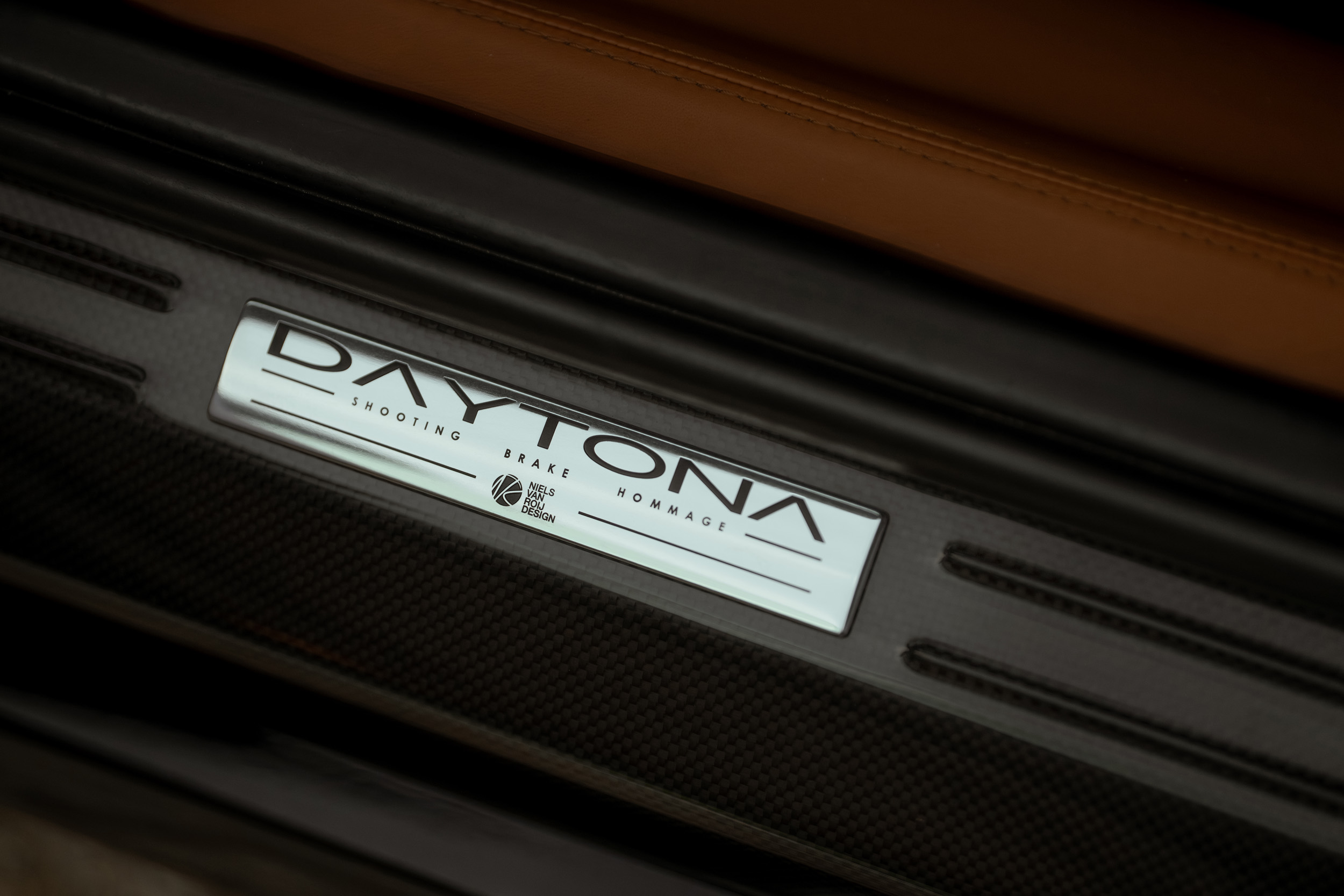
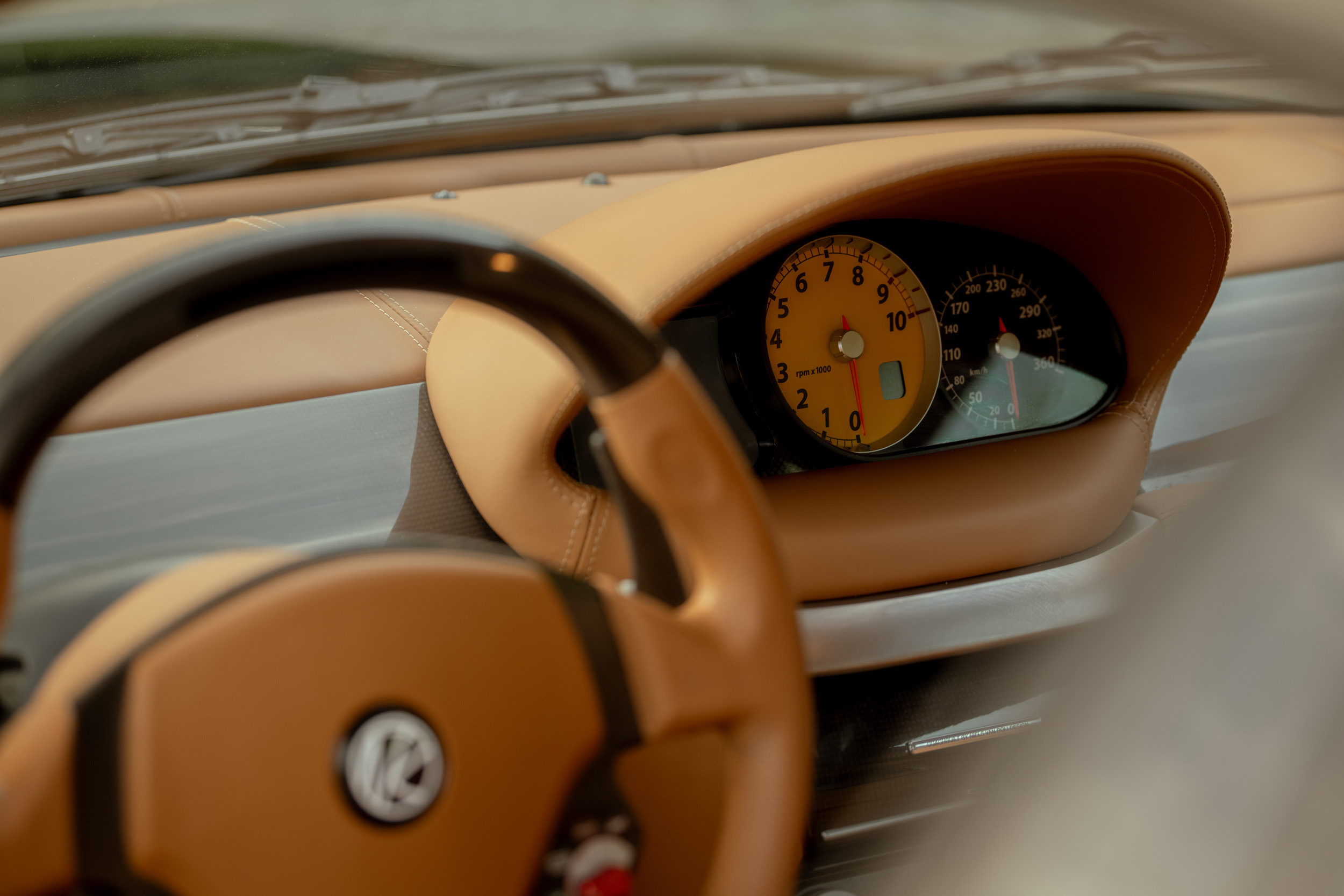
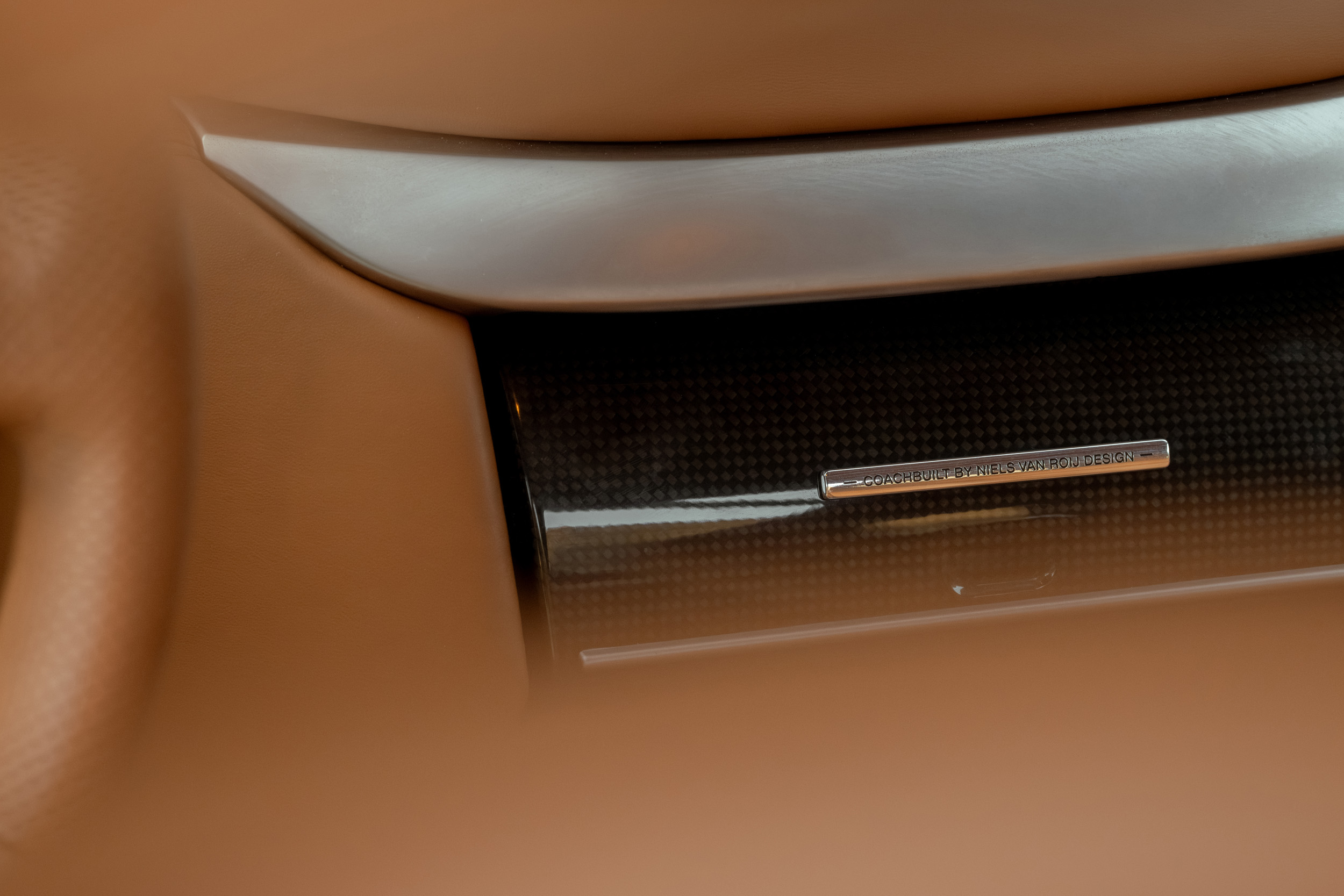
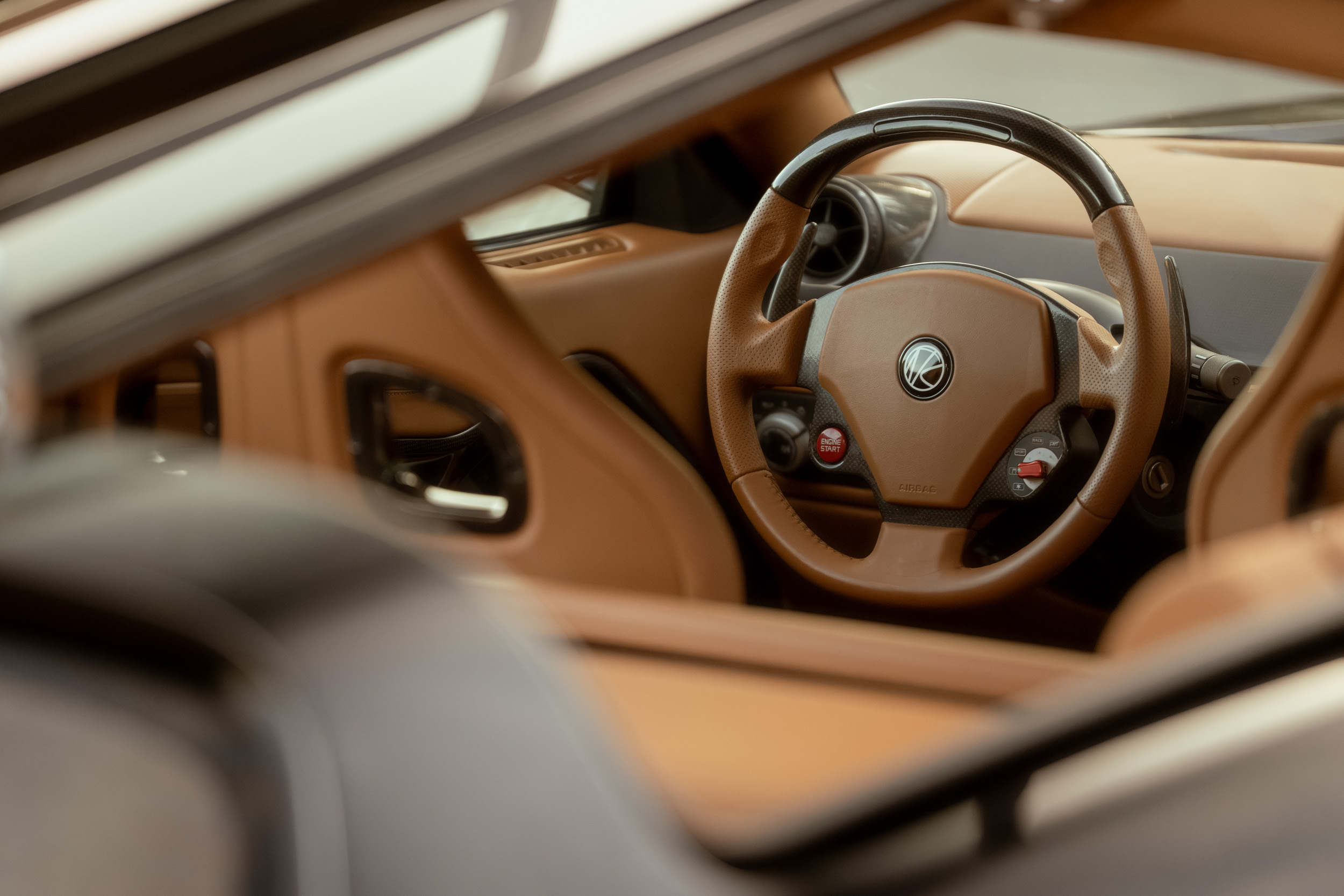
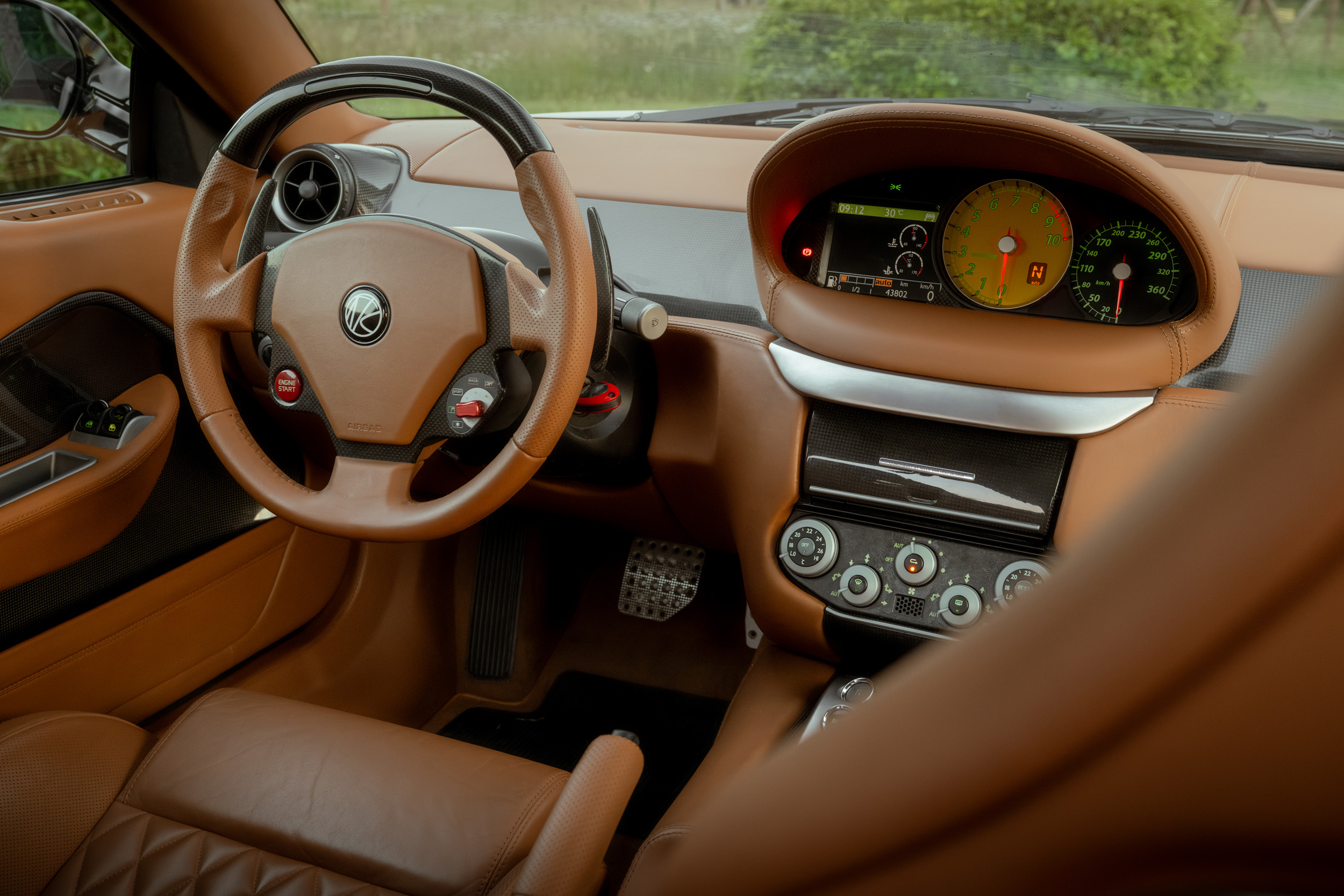
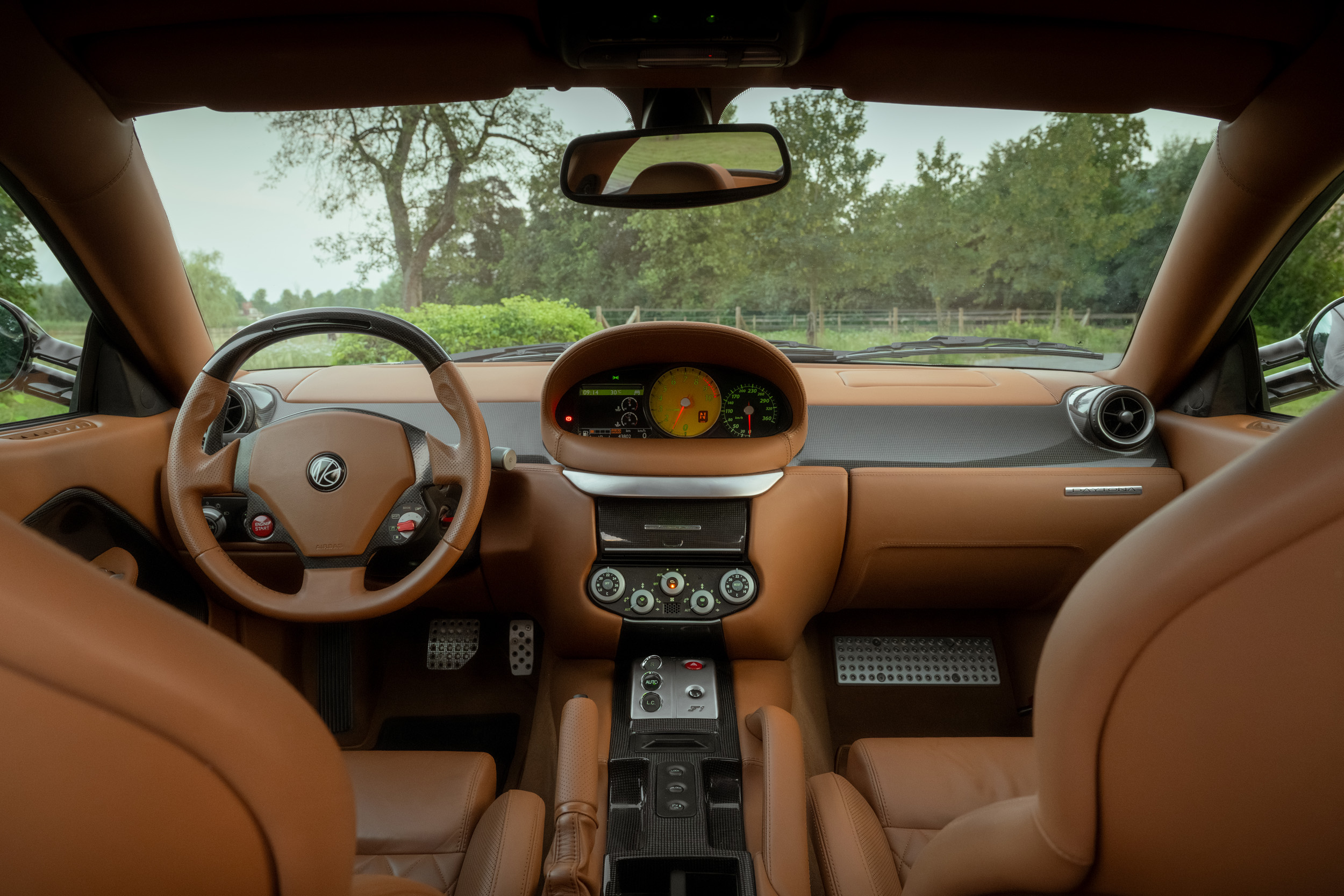
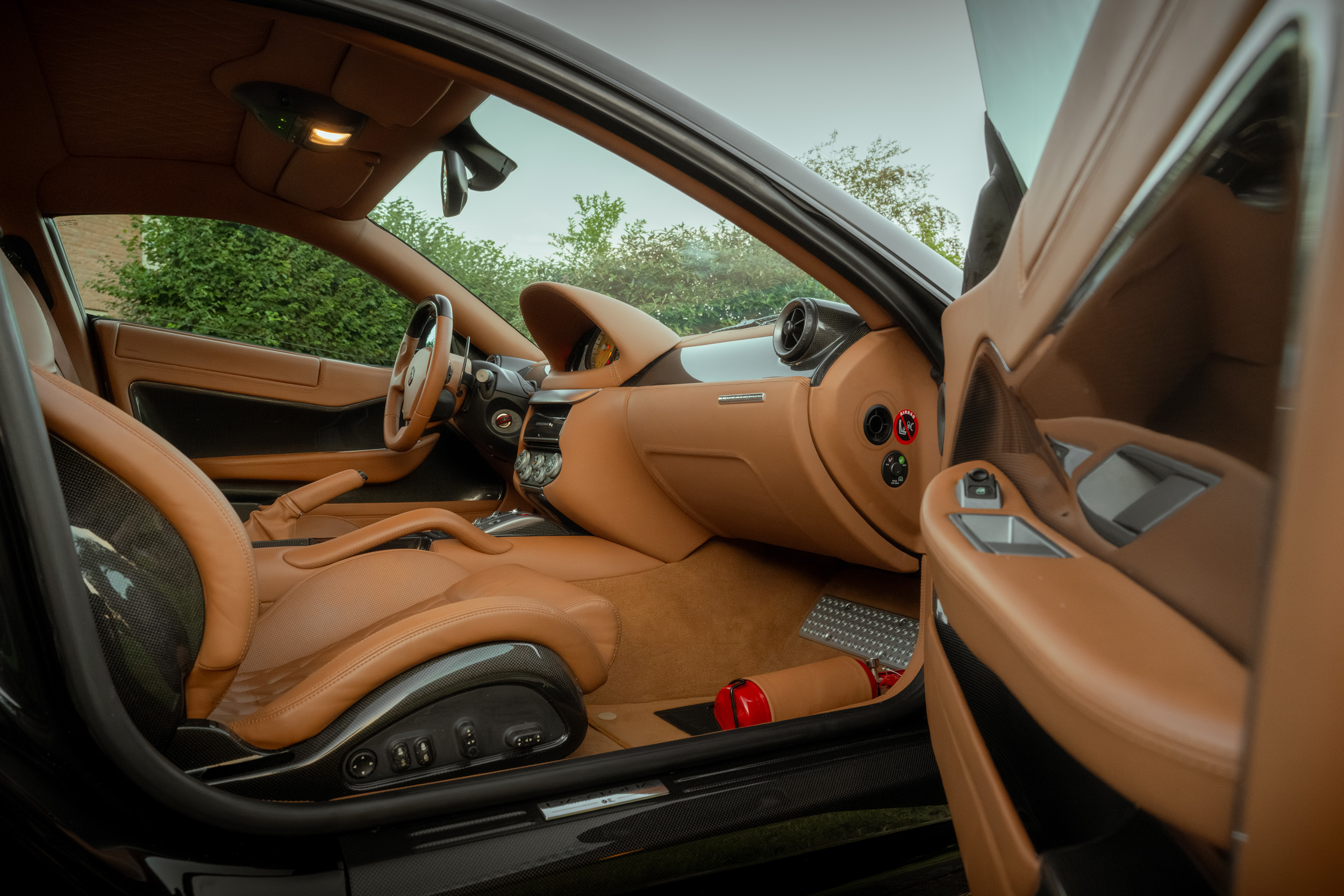
Inside, the cabin takes inspiration from the original Chinetti Shooting Brake by positioning the primary instrument binnacle centrally within the dashboard architecture. In place of the original car’s walnut trim, the Hommage introduces precision-finished carbon fibre as the secondary structural surface.
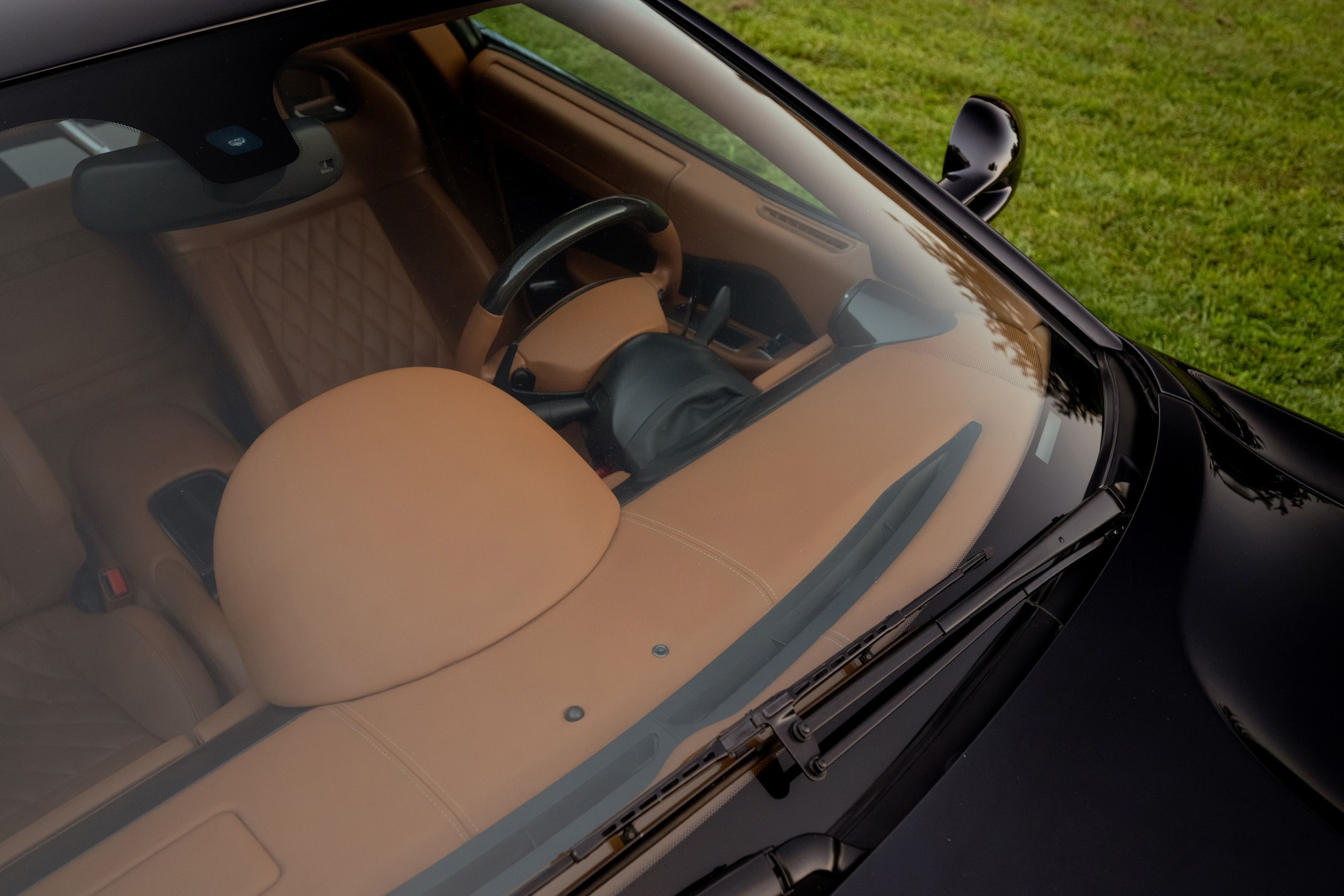
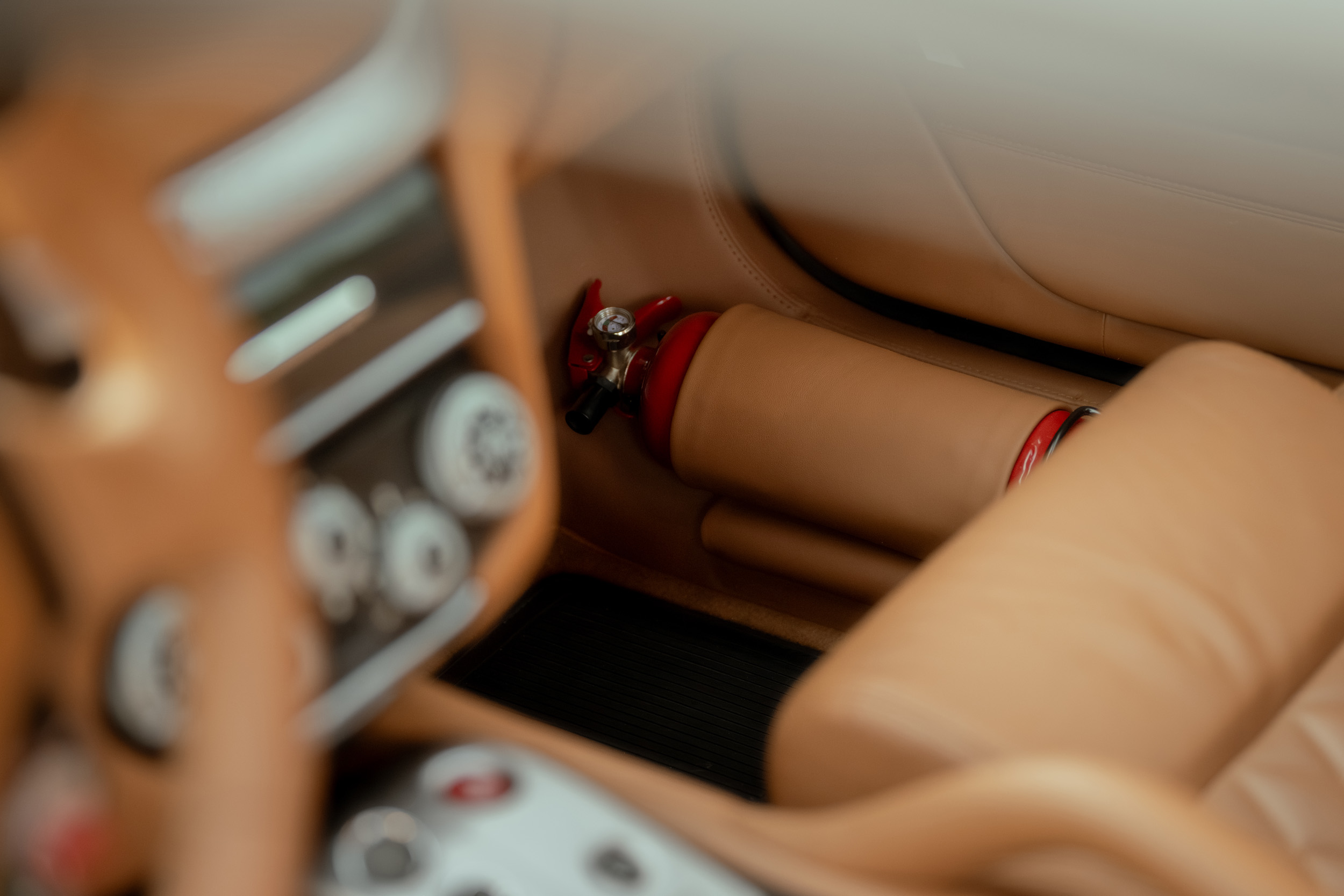
All primary contact surfaces are wrapped in cognac-coloured leather extending across the seats, dashboard, door panels, headlining, and luggage compartment. Every sculpted leather surface is formed over a hand-shaped aluminium structure beneath, giving the interior a sense of craftsmanship that goes well beyond what the eye can immediately see.
V12 Soundtrack and Technical Detailing
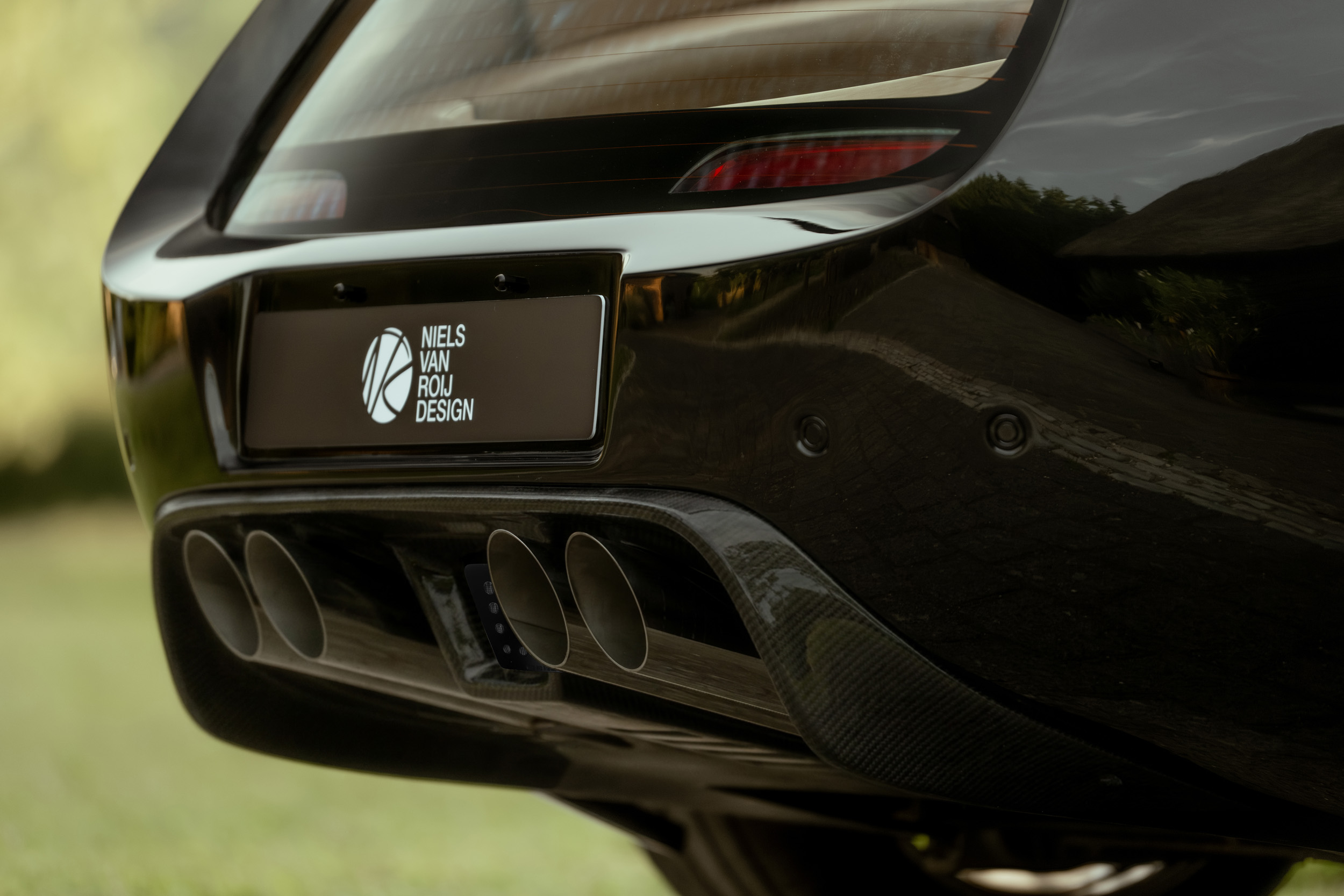
Four large exhaust outlets are integrated into a carbon-fibre diffuser at the rear, arranged in a deliberate pairing that the studio describes as evoking the visual of a double-barrel shotgun: paired, pointed upwards at an angle, and purposefully aligned. It is an indirect reference to the shooting brake name itself. Beyond the visual impact, the arrangement allows the naturally aspirated V12 to express its full acoustic character, delivering the kind of soundtrack expected of a grand tourer of this calibre.
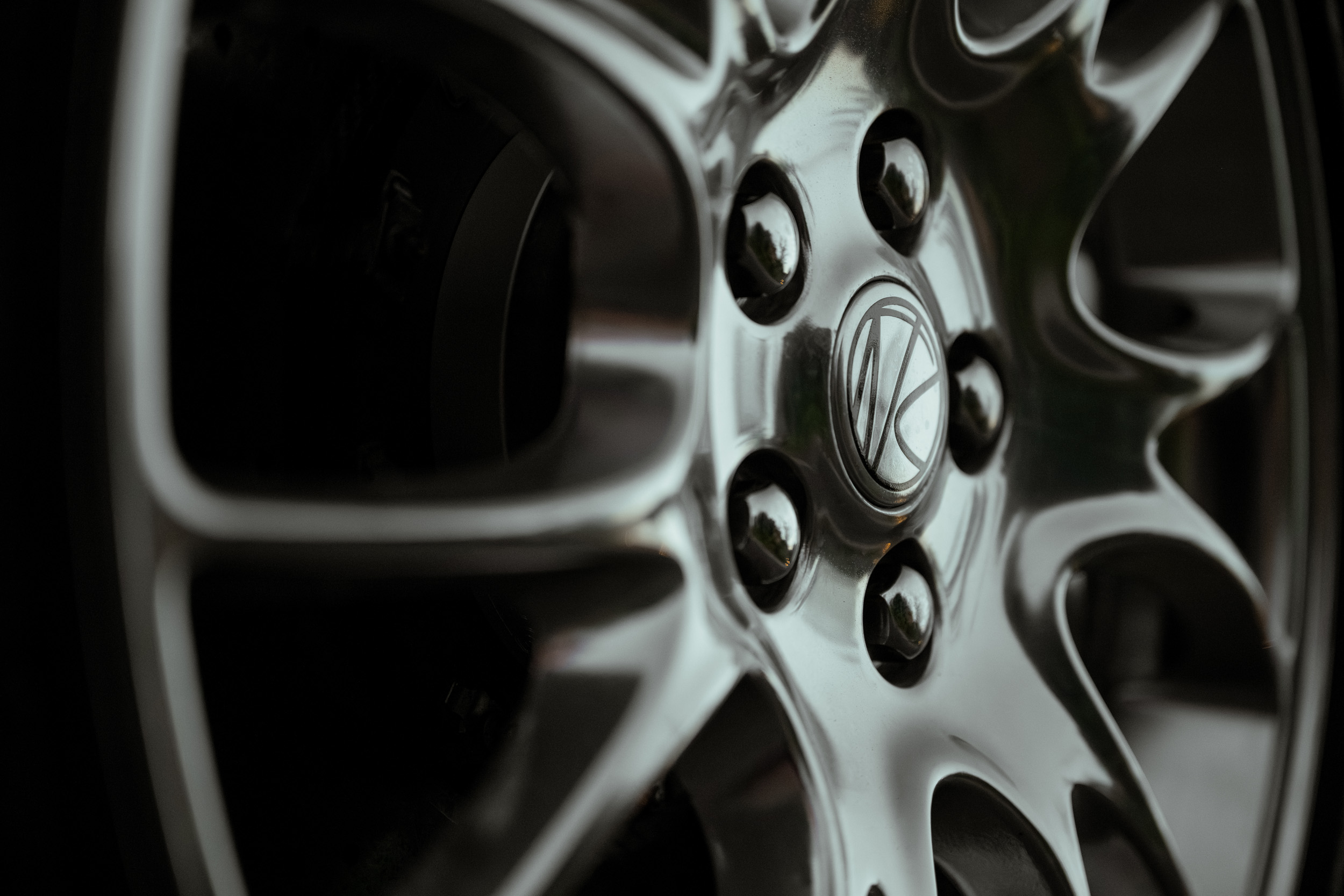
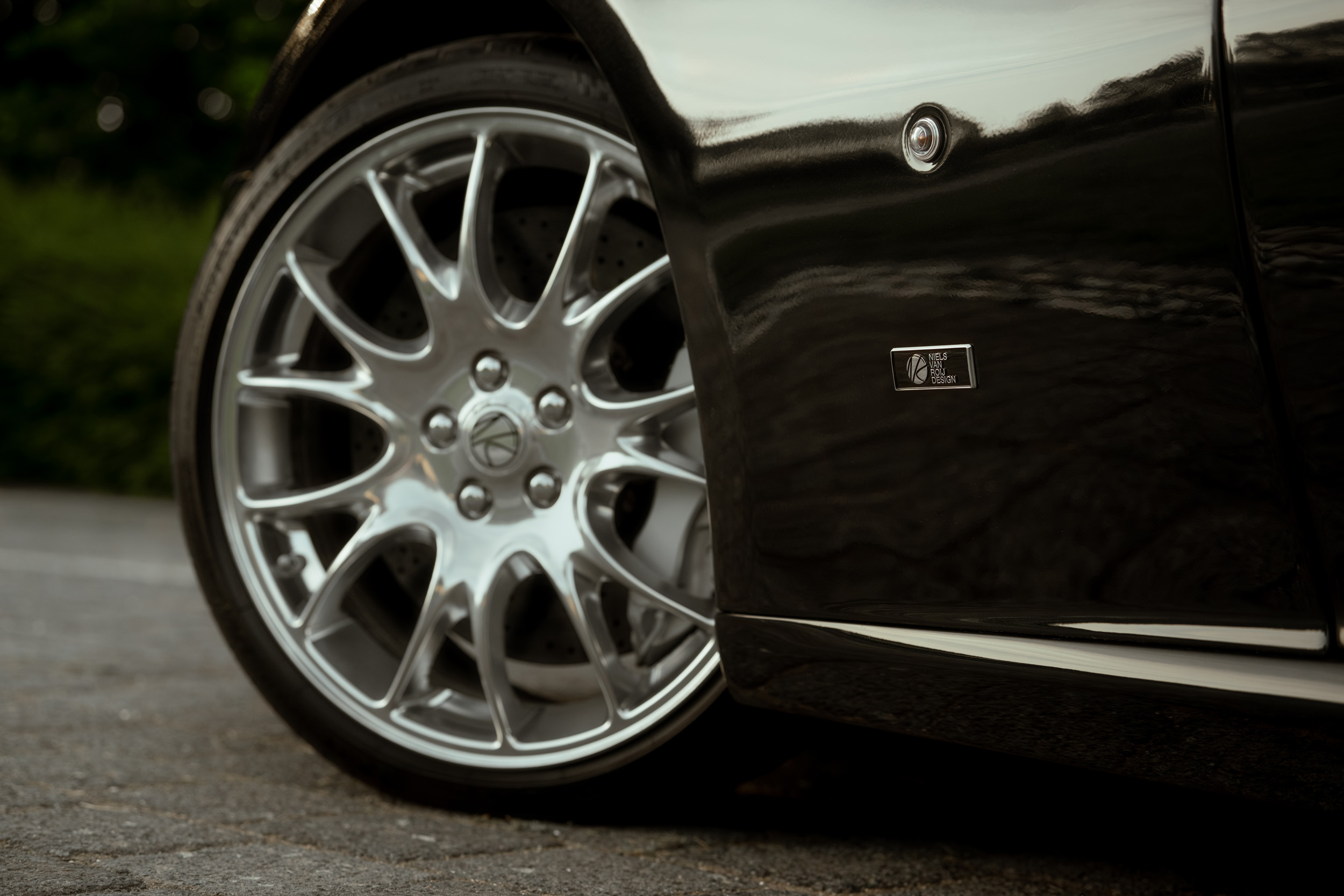
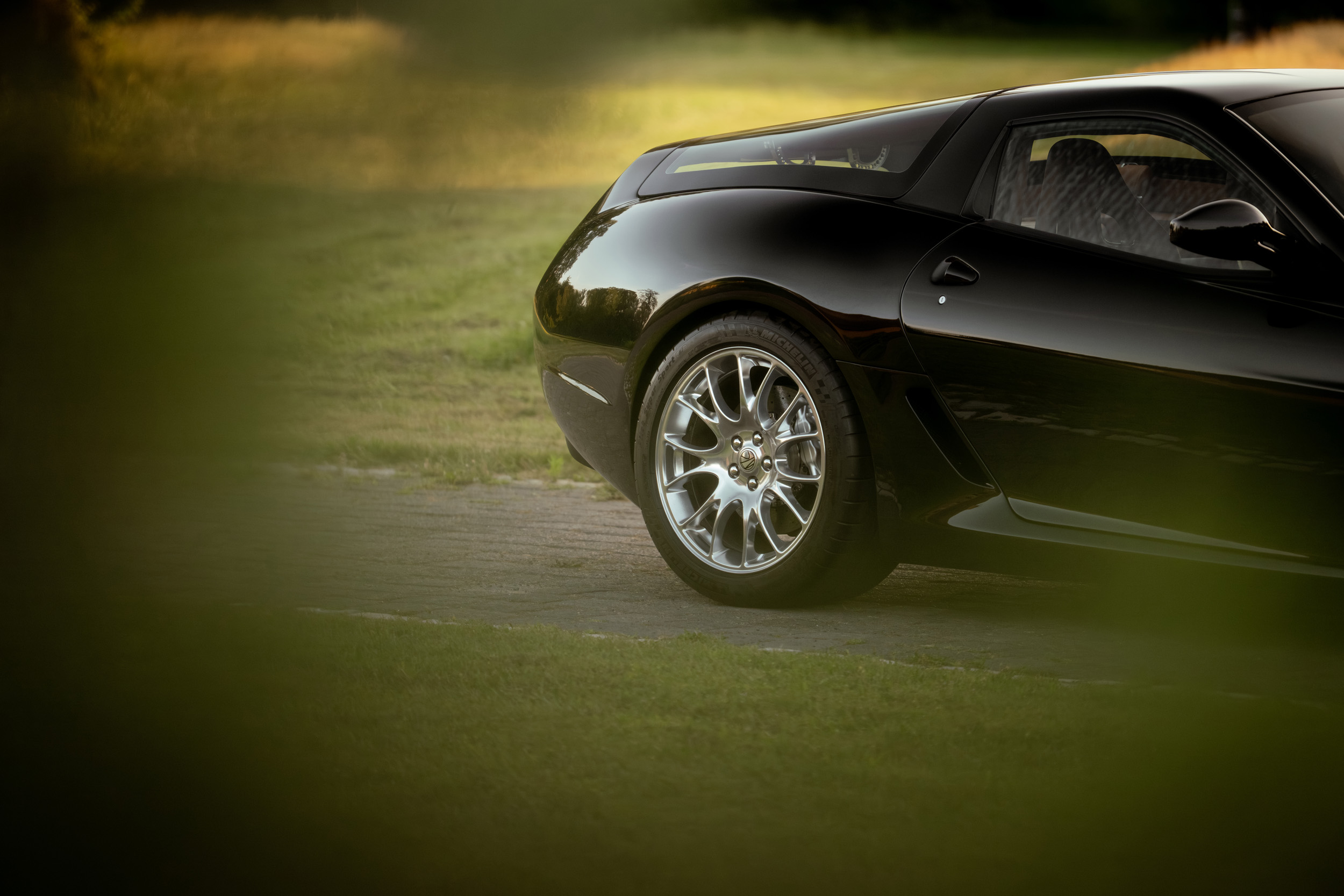
Chassis detailing continues the language of restraint. The wheels are polished in a nod to the chrome wire aesthetic of the original, while the brake calipers are finished in satin silver, technical and understated.
The Bespoke Suit Tradition
Continuing a tradition established across previous Niels van Roij Design commissions, a bespoke three-piece suit accompanies the Hommage, although it is made for designer Niels van Roij himself rather than the client. As each completed car departs to its new owner, the accompanying suit stays behind in the studio as both a physical archive of the project and a wearable portfolio piece. For this car, the suit is tailored from black Italian Daytona Nero pinstripe cloth with pinstripes that subtly echo the cognac leather of the interior. Selected details are finished using the same hides as those used within the car.
Commenting on the project, Niels van Roij said the 1972 original stands as one of the purest expressions of coachbuilt freedom. With the Hommage, the aim was not to recreate it, but to reinterpret its essence through a contemporary lens, resulting in what he describes as a pure yet sculptural automobile defined by proportion, material clarity, and restraint.