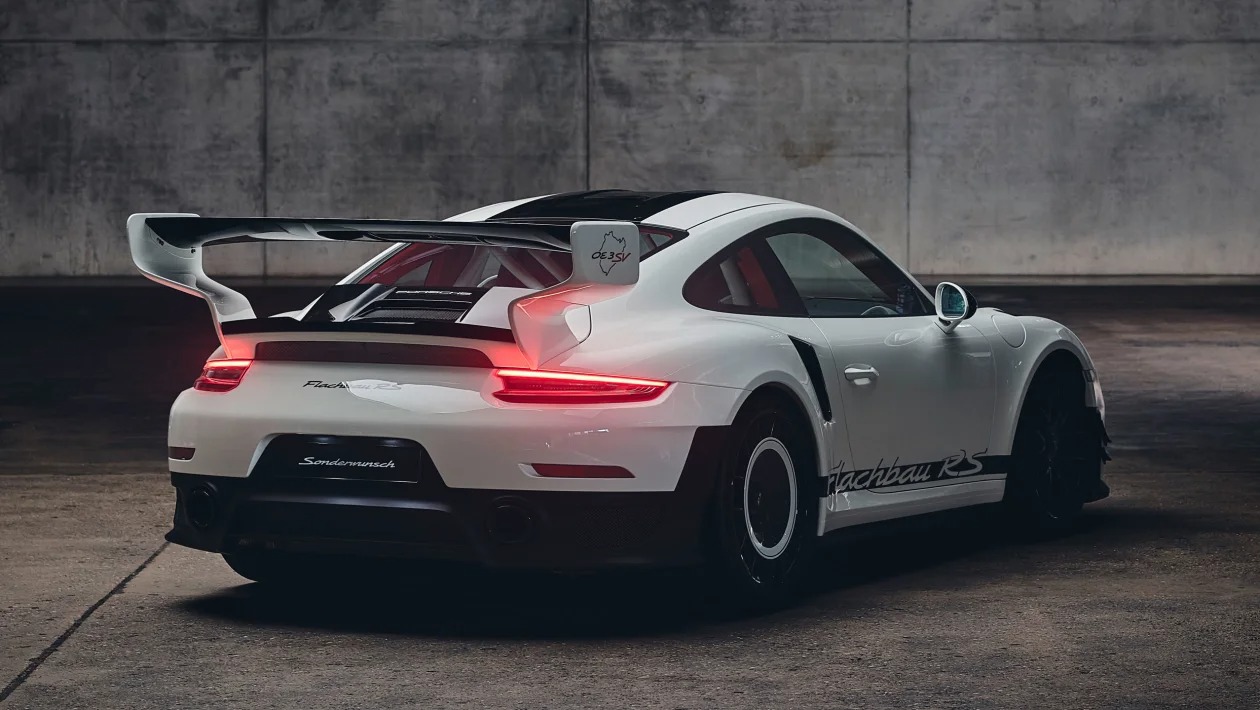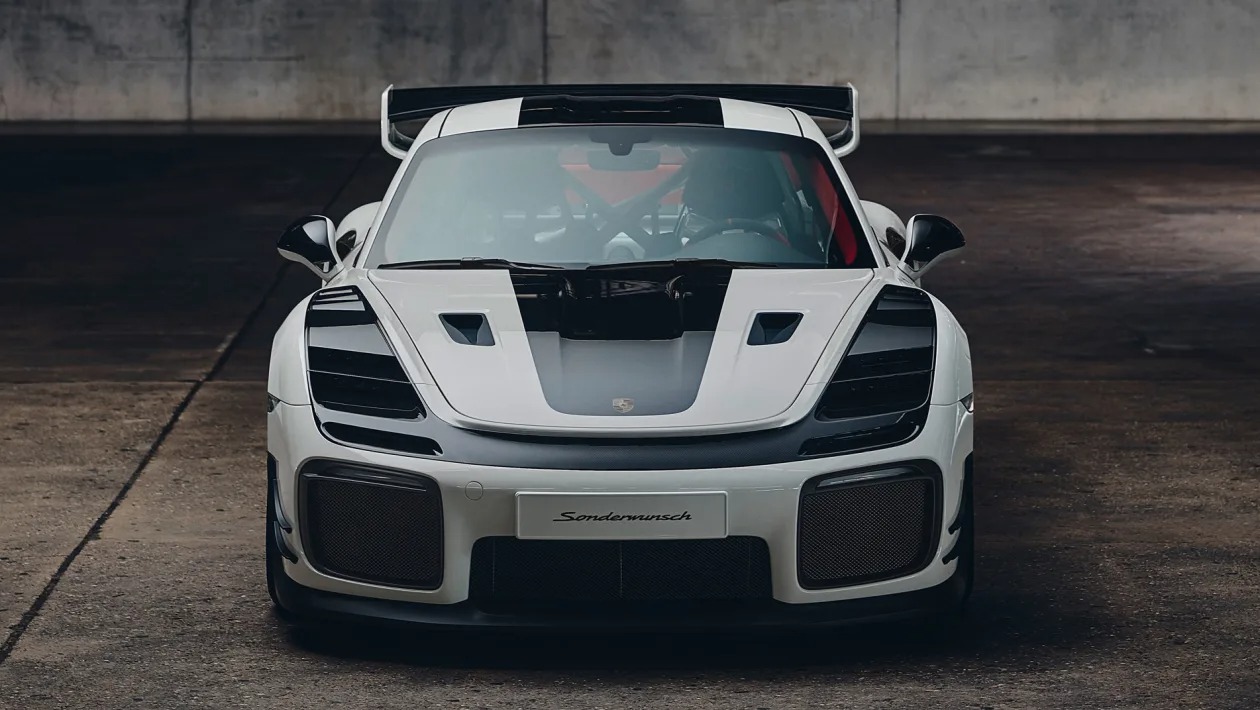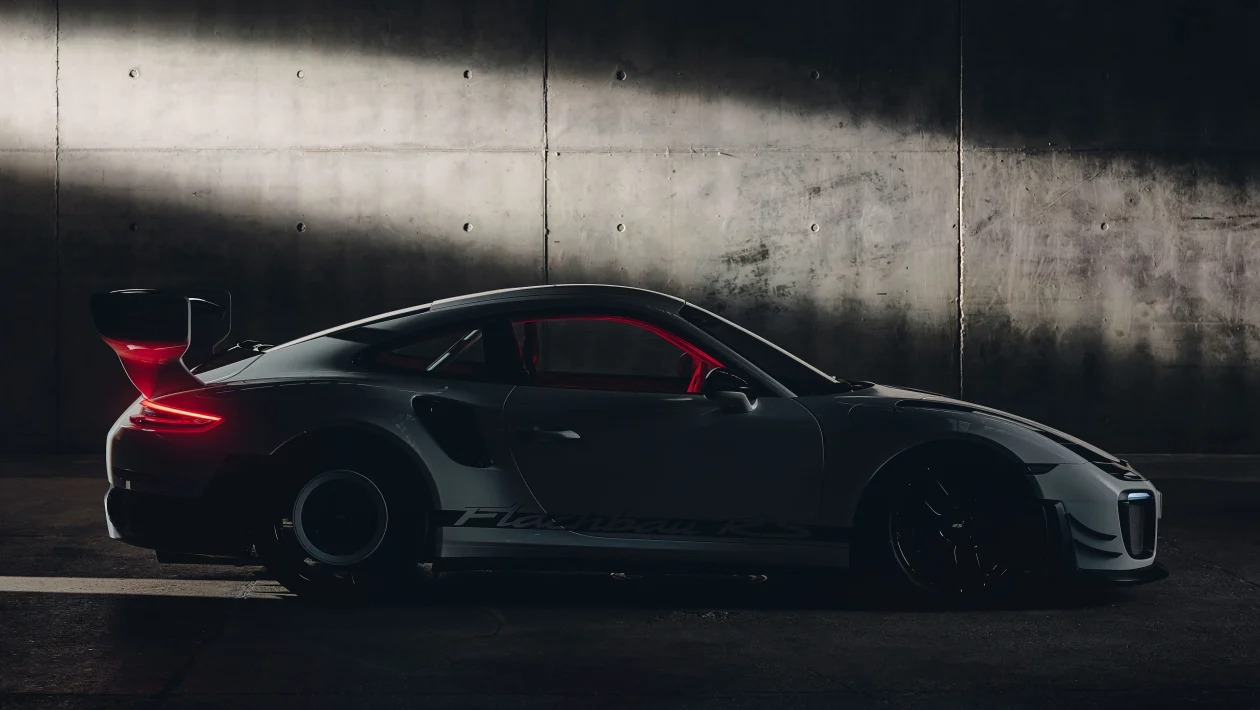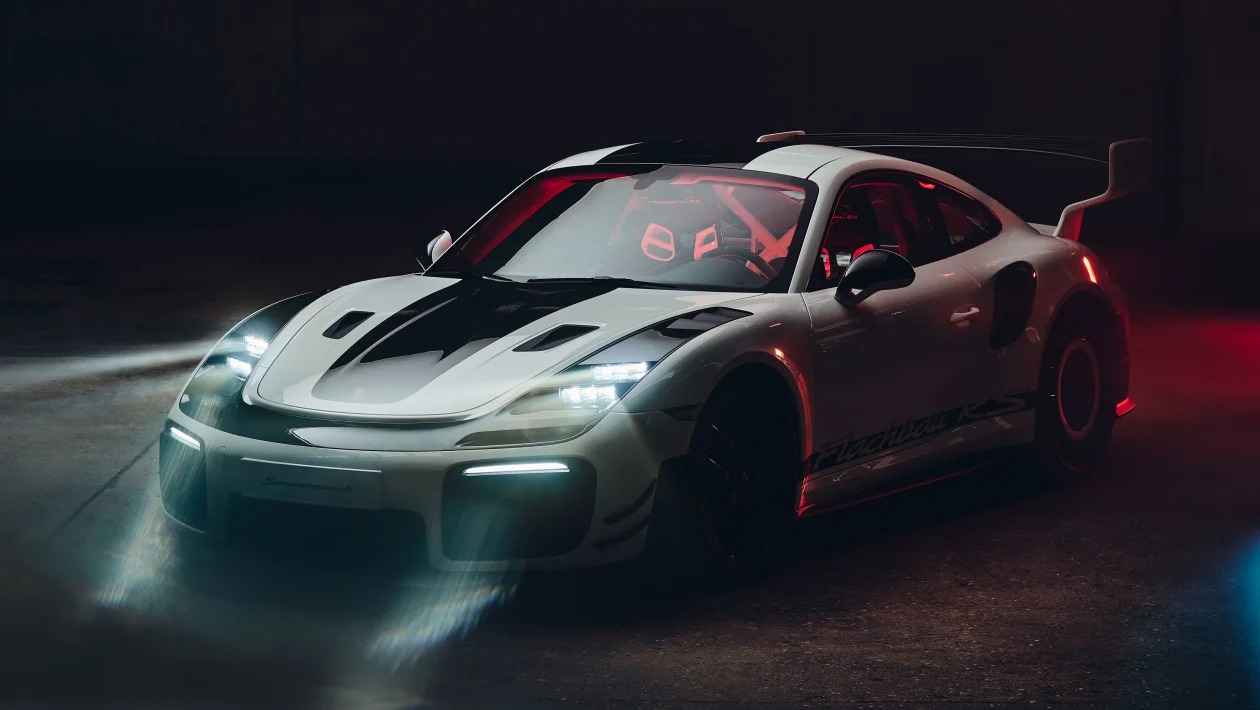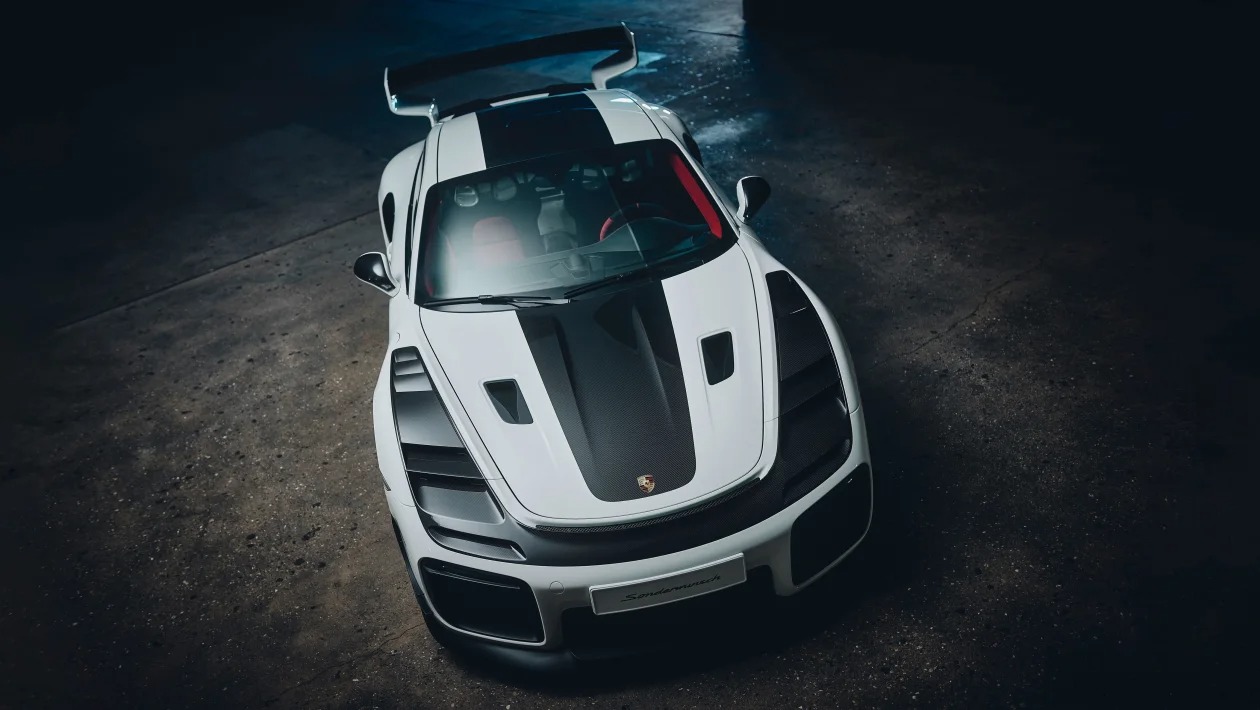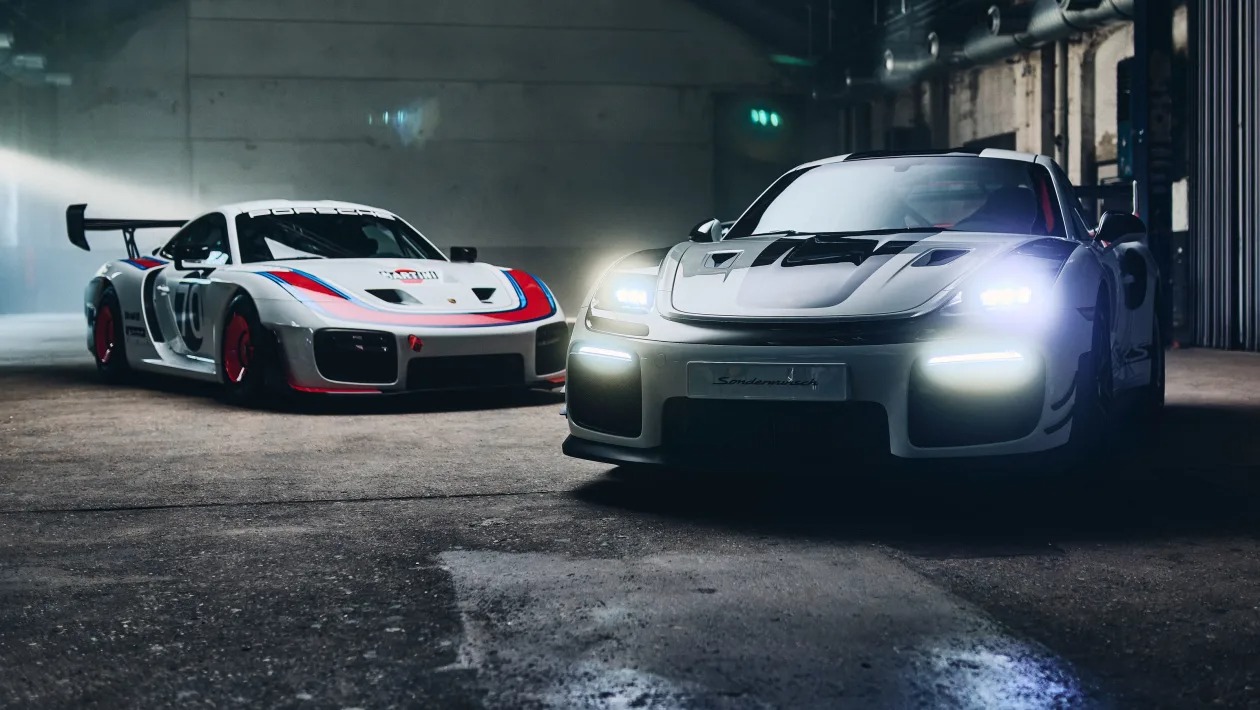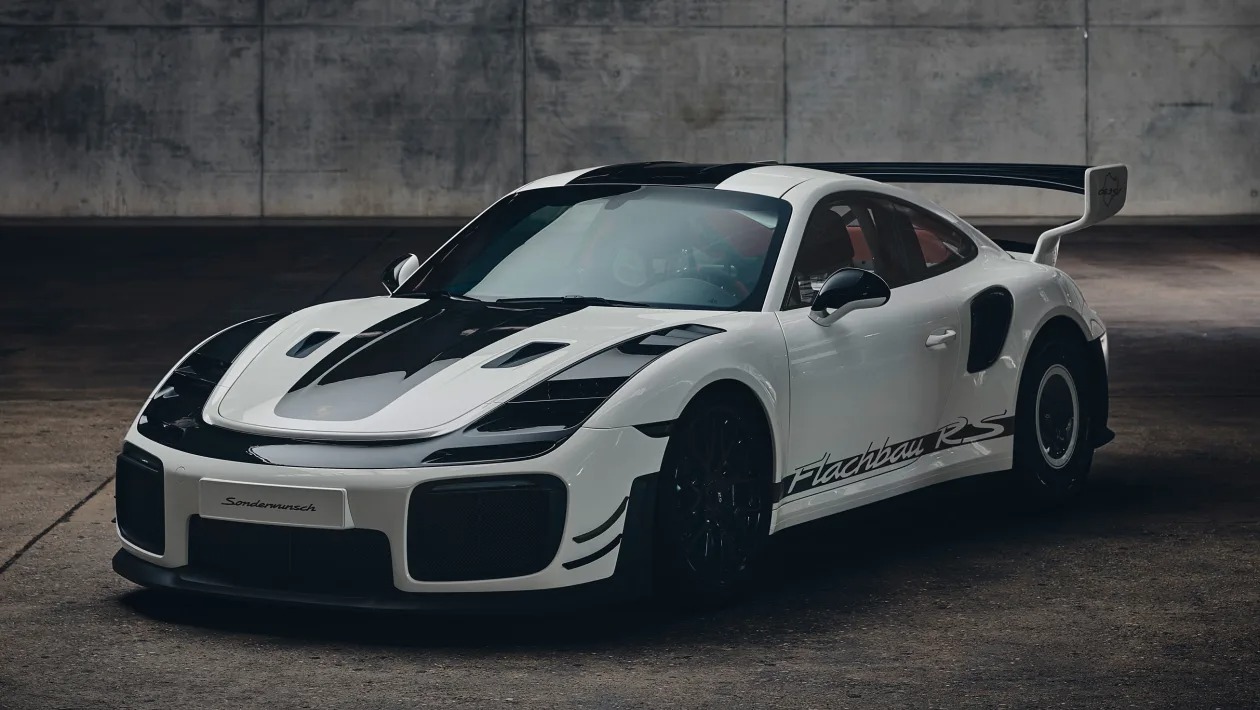
The Porsche 911 has worn countless different faces over more than six decades, but few are as instantly recognisable as the Flachbau. Also known as the Flatnose or Slantnose, the motorsport-inspired design has now returned in spectacular fashion with a one-off, road-legal 911 Flachbau RS.
Created by Porsche in collaboration with Manthey, the project transforms a 991.2-generation 911 GT2 RS into a modern interpretation of one of the most unusual 911s ever built.
From Porsche 935 Race Car To Road-Going Slantnose
The Flachbau story can be traced back to Porsche’s racing efforts in the 1976 World Sportscar Championship. Engineers discovered that regulations allowed them to replace the conventional headlights on the 935 with vents, helping reduce drag while improving aerodynamic performance.
That distinctive flattened nose eventually made its way onto the road-going 930 during the 1980s through Porsche’s Sonderwunsch special-order programme.
Only 948 road-going Flatnose examples were ultimately produced, making the original cars some of the more desirable and unusual versions of the 930.
Porsche revisited the idea decades later with the second-generation 935 unveiled in 2018. That track-only machine drew heavily from the legendary 1978 Porsche 935/78, better known as Moby Dick thanks to its white bodywork and dramatically stretched rear end.
Porsche And Manthey Create A Modern Flachbau
This latest interpretation takes things considerably further because it is fully road legal.
Porsche and Manthey started with a 2018 991.2-generation 911 GT2 RS, retaining its familiar powertrain while completely transforming the bodywork.
Converting a modern 911 into a genuine Slantnose was far more involved than simply replacing a few panels. Porsche had to preserve the required safety standards, technology and road legality while creating a shape inspired by the 935.
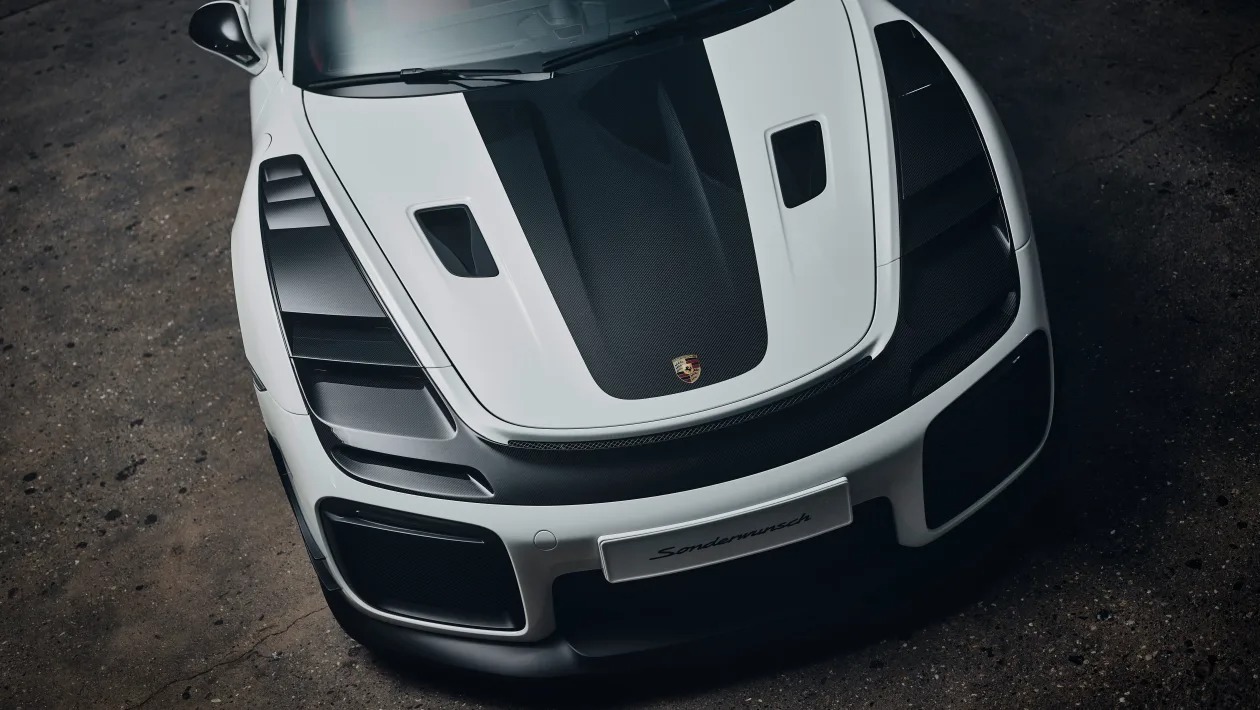
The biggest change is naturally found up front. The standard GT2 RS headlights have disappeared, allowing the nose to sit significantly lower.
Lighting duties are instead handled by three extremely slim LED elements capable of operating as low beams, high beams and daytime running lights.
The front wings have also been redesigned and incorporate slatted outlets intended to relieve pressure inside the wheelarches. The changes were so extensive that Porsche even had to develop a new fuel filler arrangement.
Serious Manthey Aerodynamics
Manthey’s influence extends well beyond the dramatically redesigned front end.
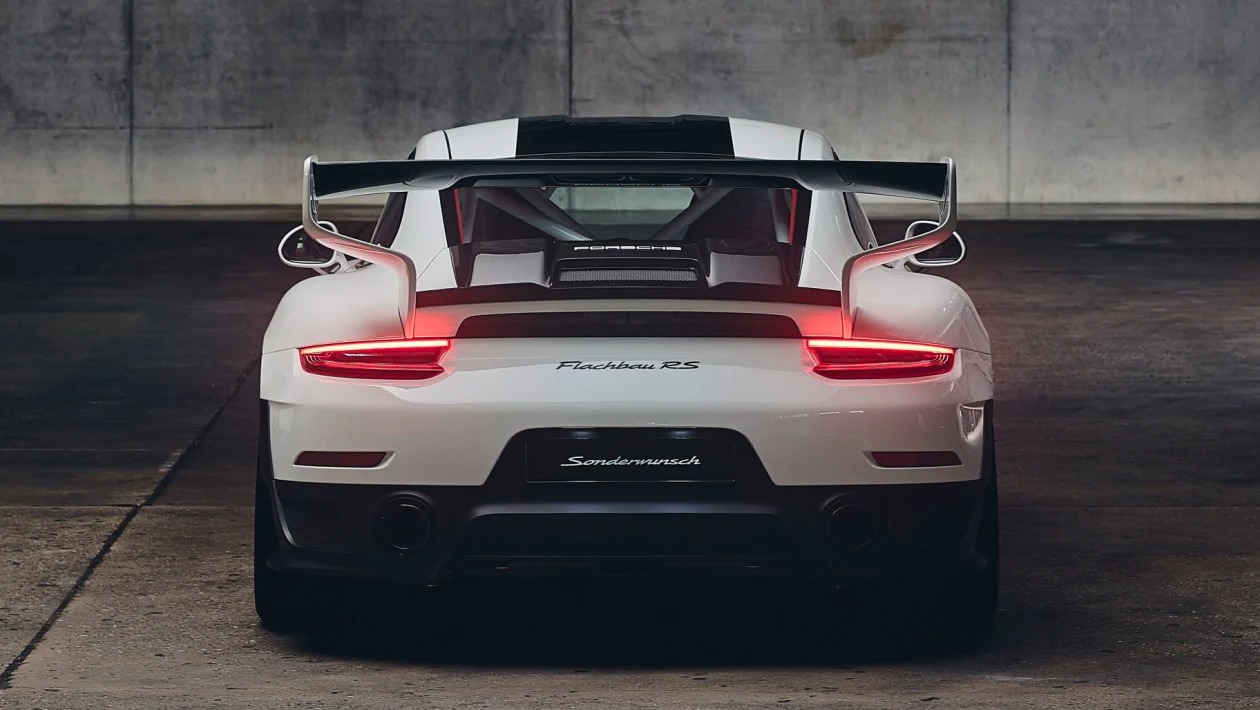
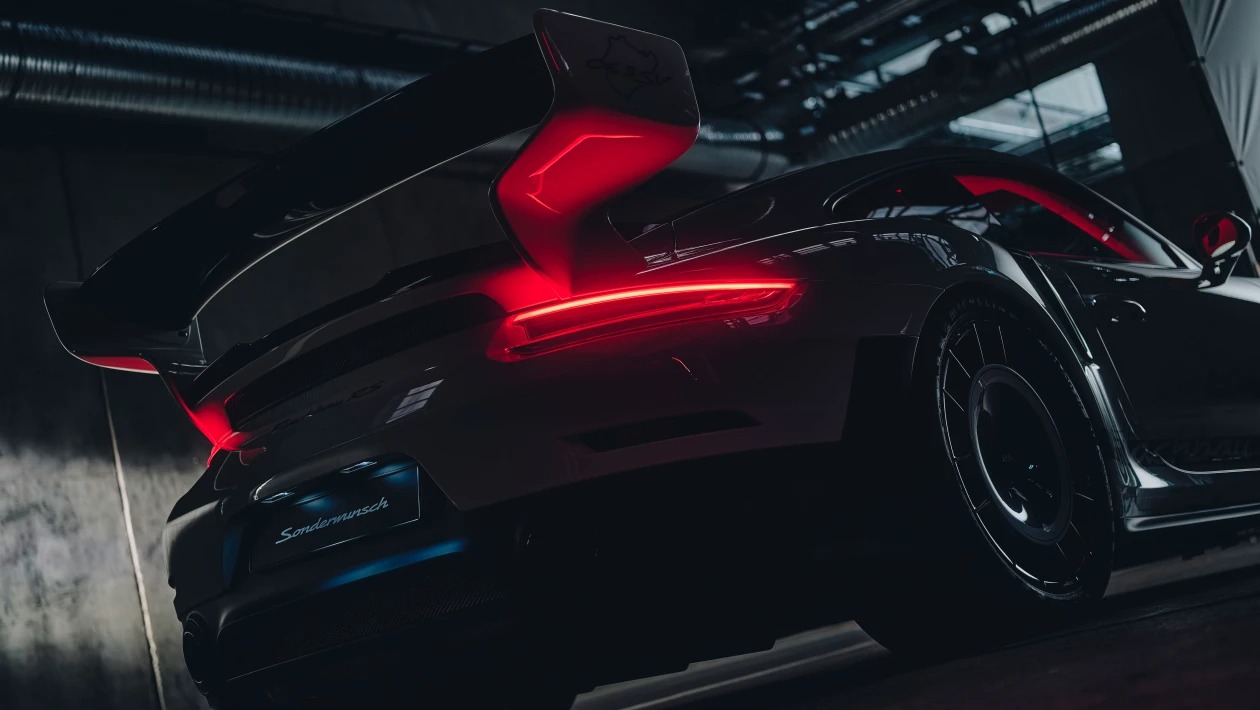
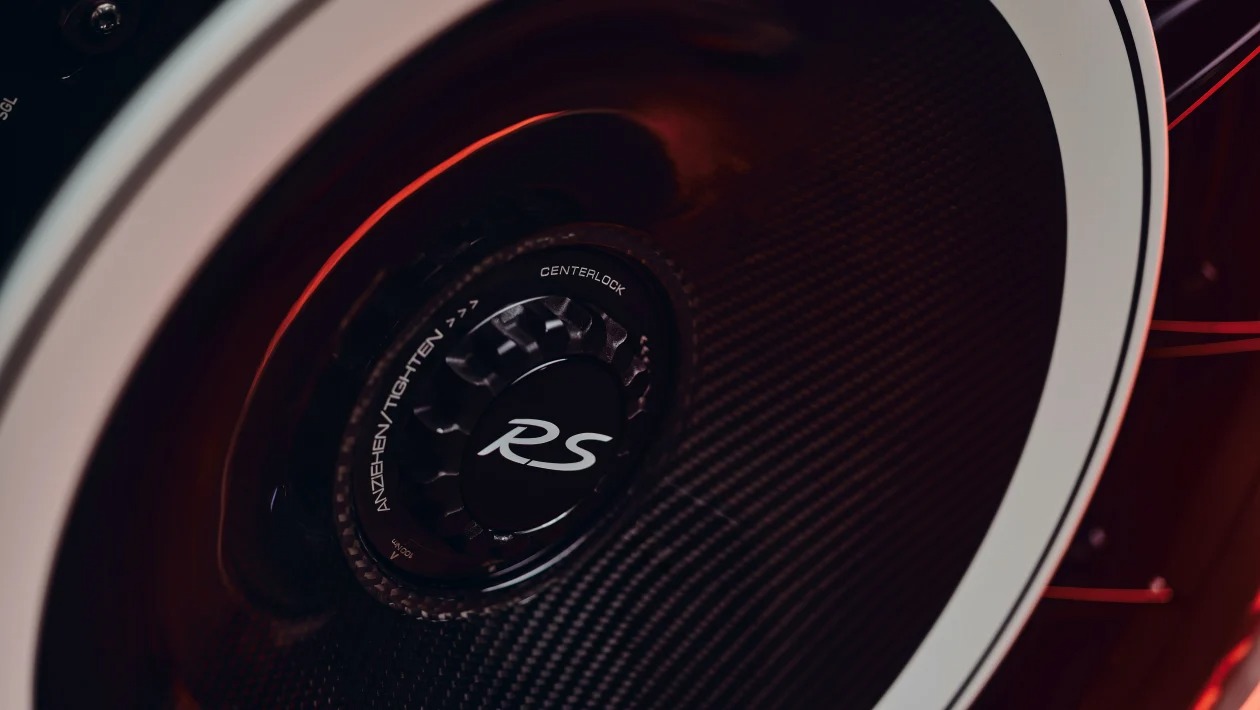
The Flachbau RS receives additional front air guides, a larger splitter, carbon fibre aerodiscs for the rear wheels and a revised diffuser.
The most dramatic addition, however, is impossible to miss.
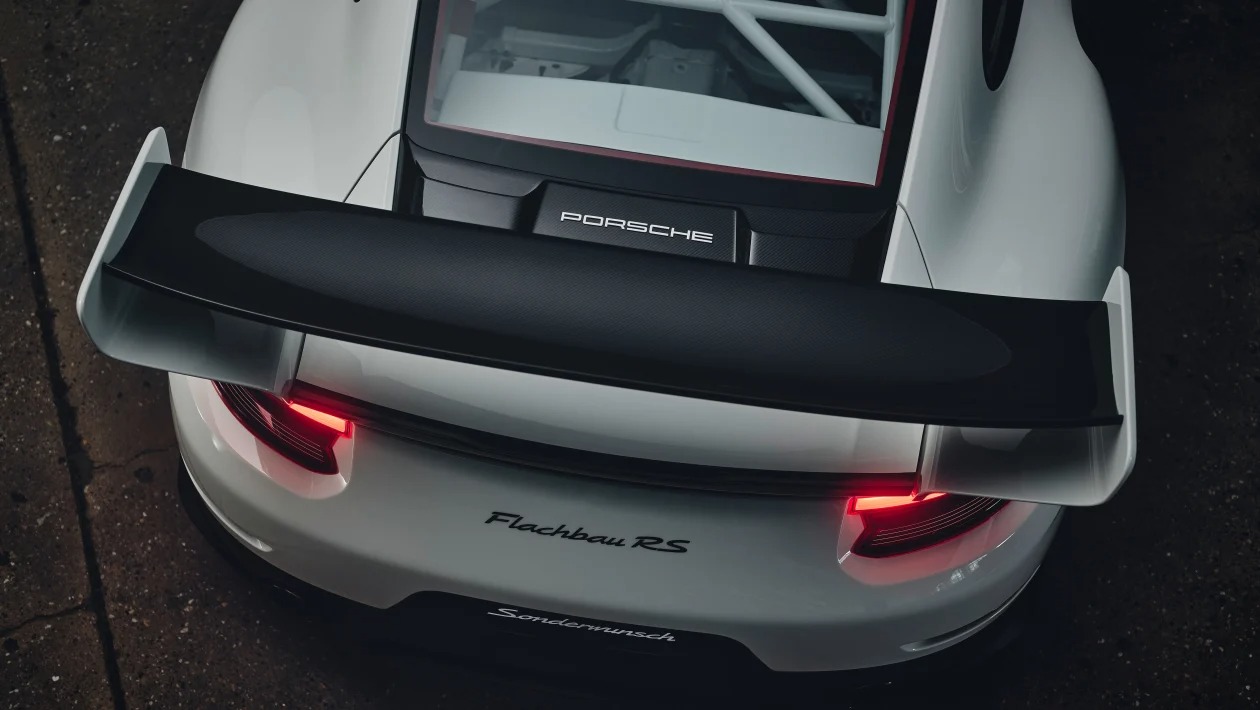
A huge adjustable rear wing towers above the back of the car. Its design takes inspiration from the extreme track-only 911 GT3 R Rennsport, although the wing sits even higher on the Flachbau RS and can be adjusted depending on track requirements.
The car is finished in Grand Prix White, providing another connection to the famous 935/78 Moby Dick.
Rather than recreating the Martini Racing graphics of the original, Porsche has used exposed black carbon fibre around the nose and lighting elements to emphasise the Flatnose design.
Special Flachbau RS lettering runs along the sides, completing the one-off appearance.
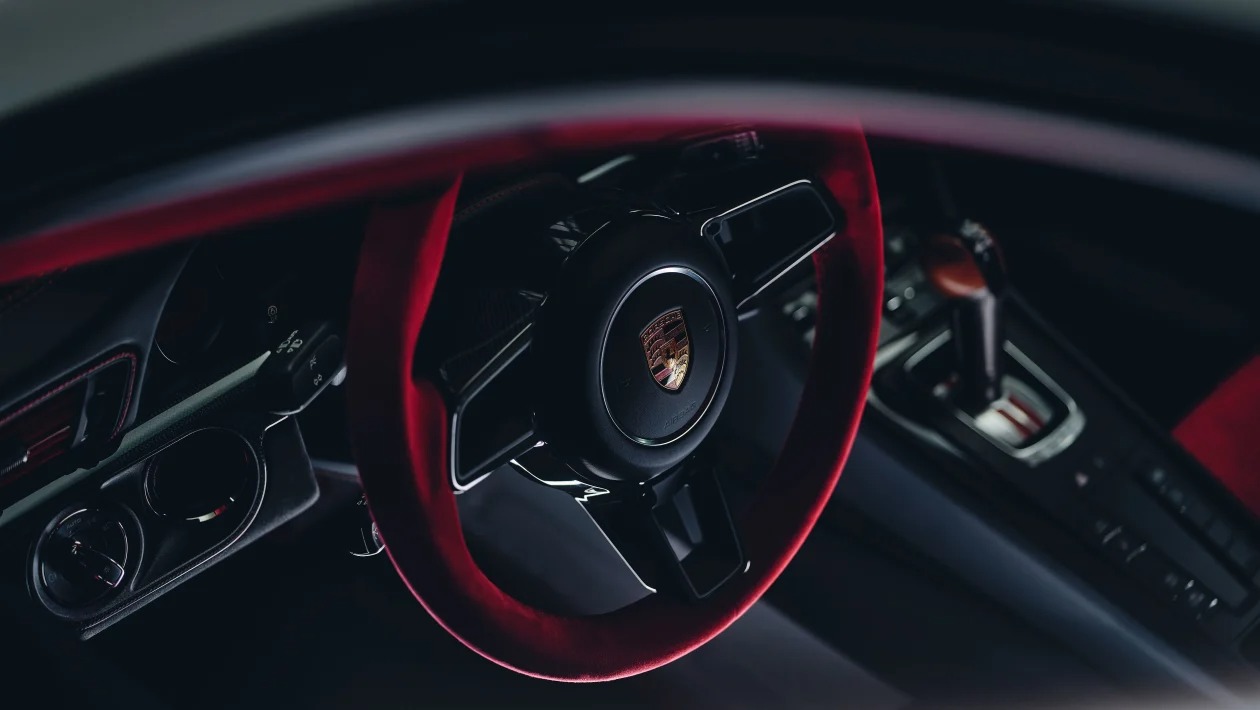
Stripped-Out Flachbau RS Interior
The cabin is every bit as focused as the exterior suggests.
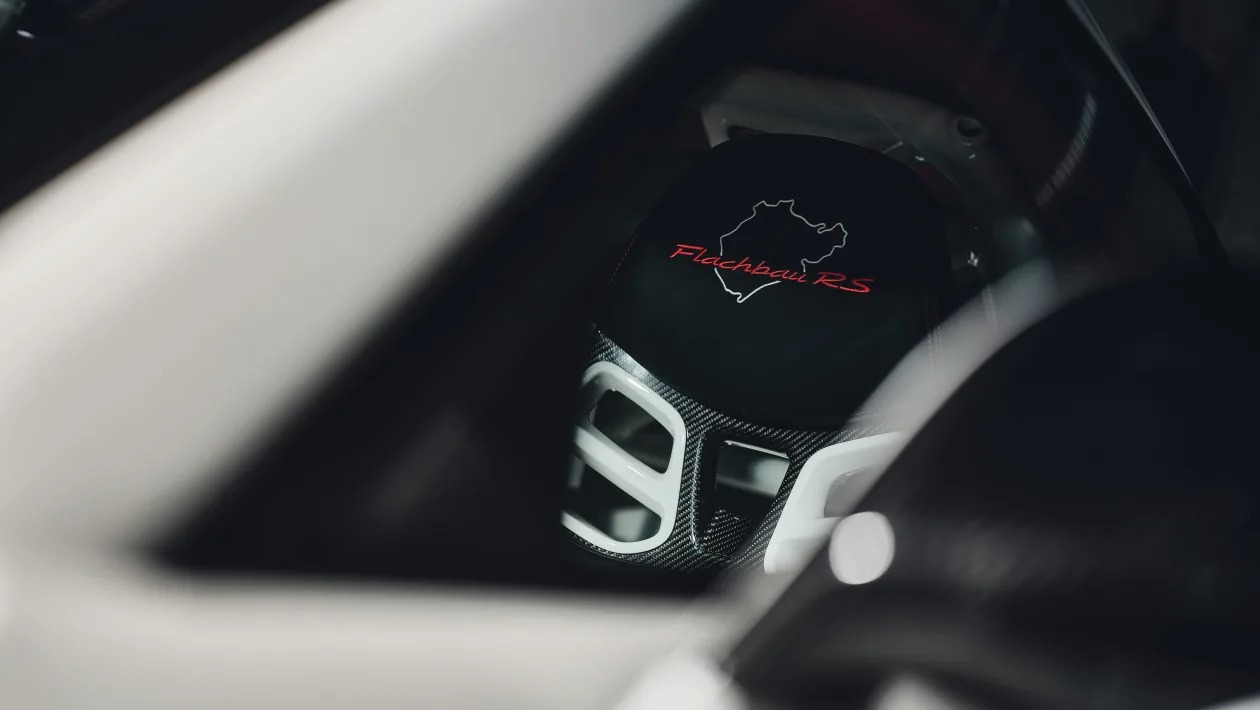
A white-painted roll cage matches the Grand Prix White bodywork, while carbon fibre fixed-back bucket seats feature unique Flachbau RS detailing alongside an outline of the Nürburgring Nordschleife.
There is no conventional sound system either. Instead, the owner gets the soundtrack from the 3.8-litre twin-turbocharged flat-six sitting behind the cabin.
Even the wiring harness was simplified in the pursuit of lower weight.
Altogether, Porsche managed to remove 31.6 kg compared with the standard 911 GT2 RS, bringing the Flachbau RS down to a kerb weight of just 1,410 kg.
Nürburgring Testing For The One-Off Porsche
Despite being a one-off commission, Porsche didn’t simply redesign the body and hand over the keys.
The Flachbau RS completed 50 laps of the Nürburgring as part of its development programme, alongside further testing at Porsche’s Weissach development facility.
Porsche test driver Lars Kern reported that the car remained stable and precise at very high speeds, an important result considering just how extensively the original GT2 RS bodywork had been altered.
The underlying platform already has serious Nürburgring pedigree. A 911 GT2 RS modified by Manthey recorded a 6:40.33 lap of the Nordschleife in 2018, demonstrating just how capable the combination of Porsche and Manthey engineering can be.
More recently, the ageing GT2 RS Manthey has continued to prove its pace, including a production-car lap record at Road Atlanta.
690 HP Porsche GT2 RS Power Remains
Porsche hasn’t chased additional engine output for the Flachbau RS.
The familiar 3.8-litre twin-turbo flat-six continues to produce 690 hp (515 kW), giving the car more than enough performance without any mechanical upgrades.
The Flachbau RS can accelerate from 0 to 100 km/h (0 to 62 mph) in just 2.8 seconds.
More impressively, despite the enormous rear wing and radically different bodywork, its maximum speed remains unchanged at 340 km/h (211 mph).
For a car created primarily around a completely different aerodynamic concept, retaining the original GT2 RS top speed is no small achievement.
The result is far more than a retro-styled GT2 RS. Porsche and Manthey have effectively taken one of the most distinctive chapters from the 911’s motorsport history and rebuilt it around one of the most capable road-going 911 platforms ever produced.
For anyone who remembers the mysterious prototype testing at the Nürburgring, this also answers the question we asked last year: was Porsche preparing the return of the iconic Slantnose? It certainly was.