
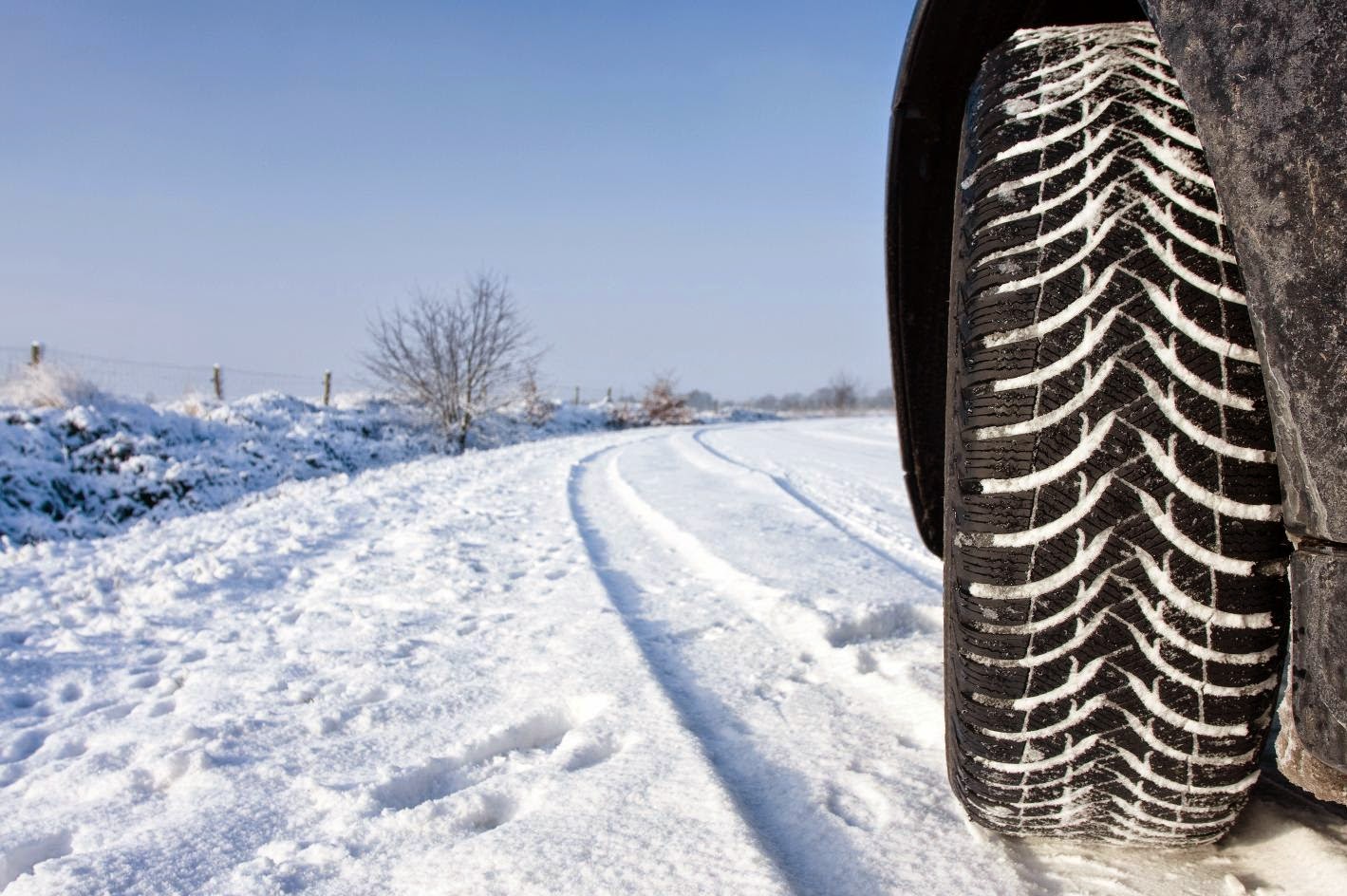
Tires and their treads are just as specialized as the vehicles use them. There’s rubber chemistry and tread design that cater to heightened performance, safety and fuel efficiency. One of these options are winter tires! When it comes to driving through the yearly winter wonderlands, having the right tire matters to give you responsive stops and superb handling despite icy conditions. This time of year challenges tires and vehicle control like no other season, and sometimes all-season tires aren’t enough for your region. Knowing the difference between these two types of tires can prepare you better for the colder weather and keep you safer from slips, accidents, or getting stuck.
All-Season Tires
As the name implies, all-season tires supply drivers with a versatile performance that delivers great wear life and ride comfort. They’re designed to handle a multitude of road conditions, supplying traction on wet, dry, or uneven terrains. Their unique tread designs and rubber compounds also diminish car vibration, overall cutting down on the ambient noise of the road for a quieter ride. Yet their wide performance subtracts from particular specialization in high heat or deep winter conditions. According to Rochester Hills Chrysler Dodge Jeep Ram (Rochester Hills, MI), all-season tires are best for mild weather climates that do not frequently encounter extreme high or low temperature numbers. They can tackle long highway cruises or around town tasks, and can capably travel through light snow conditions to reliably get you where you want to go, but if you expect to travel through deeper snows, ice, and season-long freezing temperatures, you’re better off with winter tires.
Winter Tires
There’s a few specializations that enhance winter tires in freezing temperatures to outperform the basic drive of all-seasons. The tread rubber, unlike the stiffening that tends to cut all-season tire performance, remains flexible, able to bend to the road and provide adequate grip around turns. The groove depth combines with the unique tread patterns to shed snow buildup; they more easily channel moisture, slush, and water out and around the tire’s path so you have better tire-to-road traction. Every pattern of winter tire tread design features more biting edges than what is found on all-season tires. These little grooves and high sipe density areas are built into the tire so as to improve on-ice performance, working to maintain control of the vehicle’s trajectory and speed even when encountering black ice conditions.
Which tires are best for me in the winter?
Choosing your winter tire depends on the type of weather and road conditions you expect to drive in throughout the cold months of the year. Is your vehicle exposed to frequent freezing temperatures that’ll stiffen its all-season tire rubber and sacrifice its traction? Will there be snow, melt, and ice commonly on the roads that you’ll need to navigate through? Winter tires are specifically designed to tackle these road conditions and provide you with the greatest safety and handling possible.
How should I take care of my winter tires?
Like every other season, it’s recommended you check the tire pressure and tire wear monthly. In winter, this is especially important. Colder temperatures cause air contraction, making your tires less full than in warmer temperatures. It’s also advisable not to wait too long to remove winter tires when spring starts rolling around. Driving on roads that are warmer than what winter tires are built for will cause these specialized tires to wear down faster. They also don’t possess the same performance capabilities as in winter due to the softer rubber.
Drive safe this winter season with the best peace of mind. Four winter tires will best handle the cold temperatures and snow so you maintain a controlled forward momentum and can have a timely stop with minimum slipping.