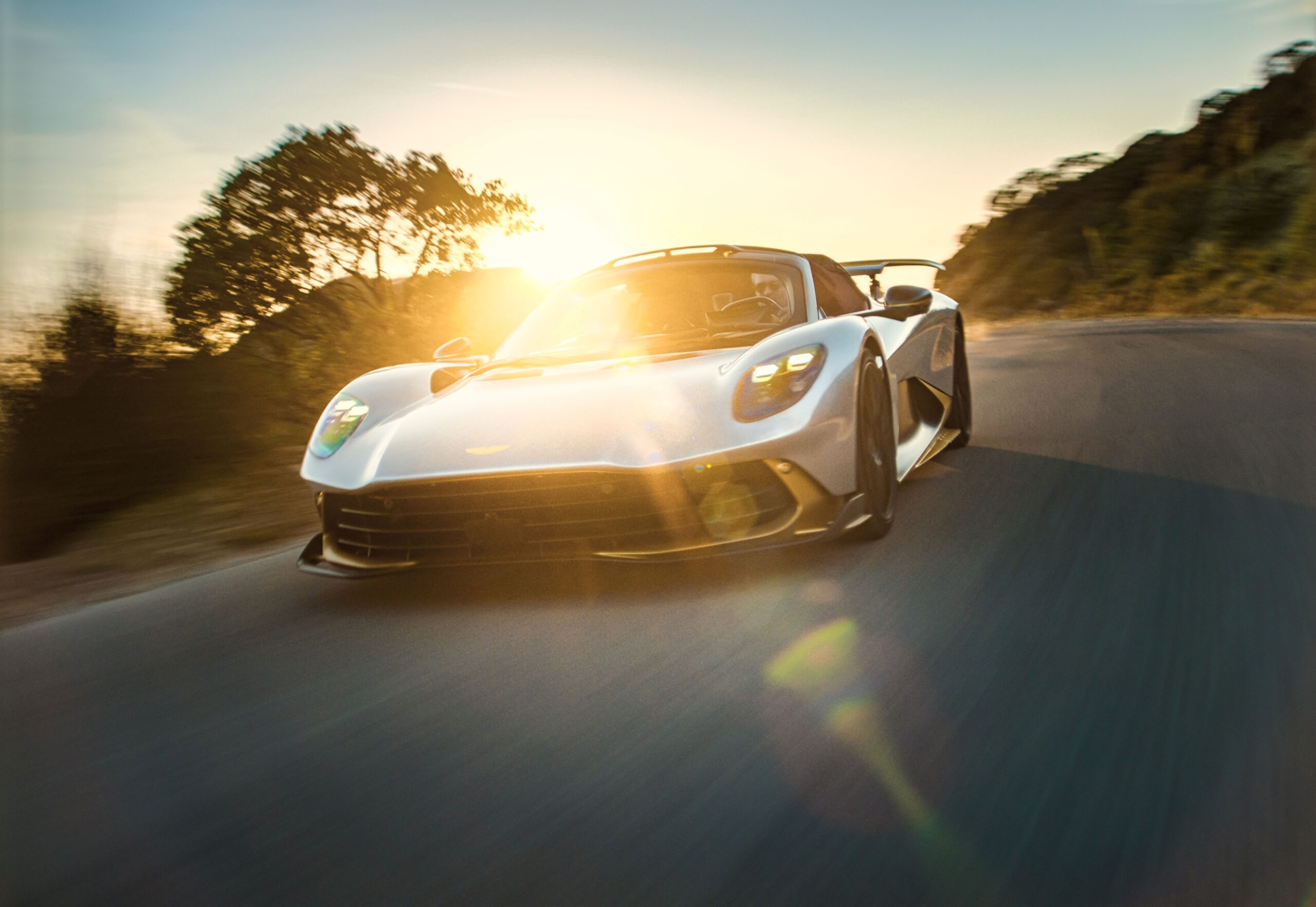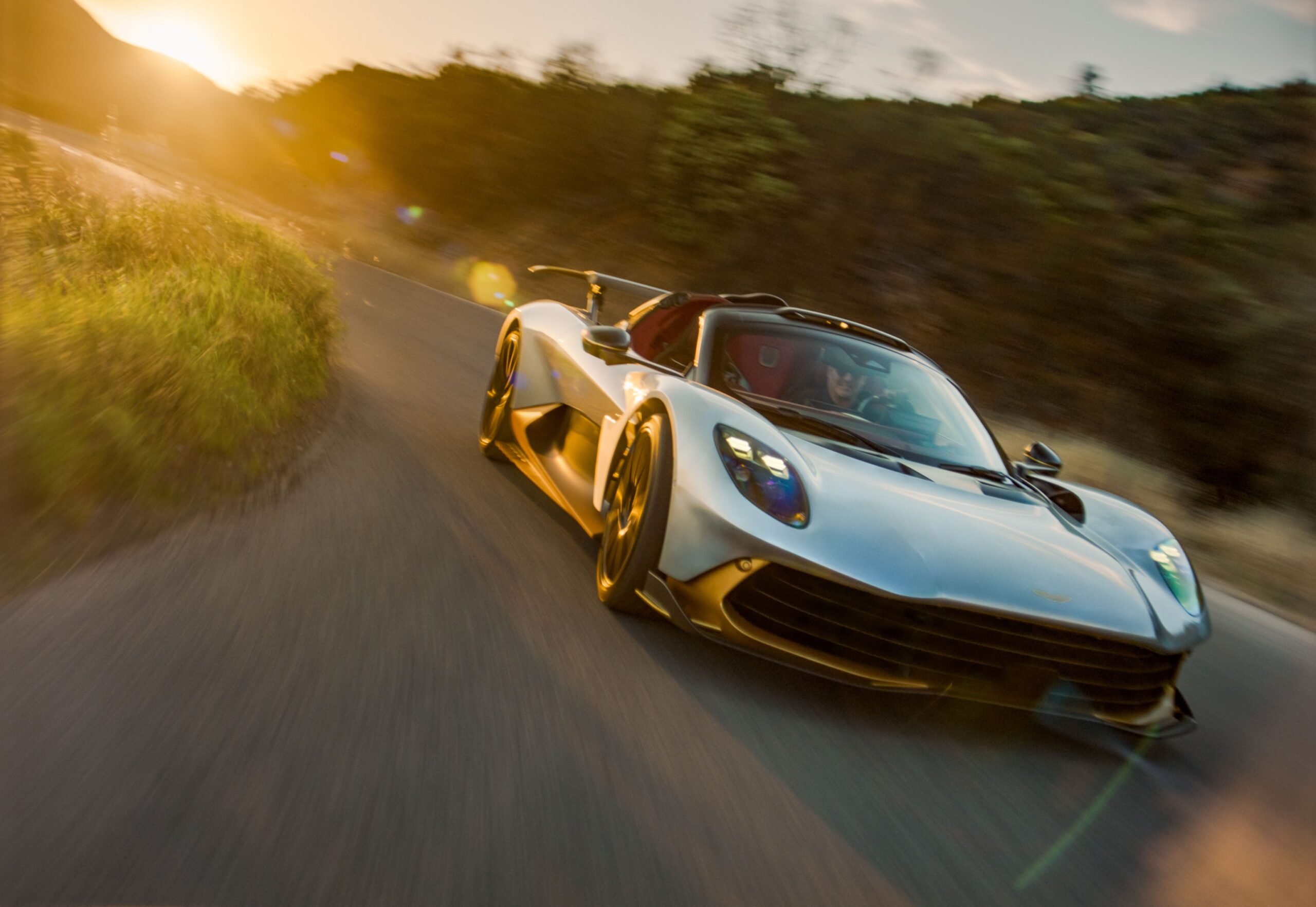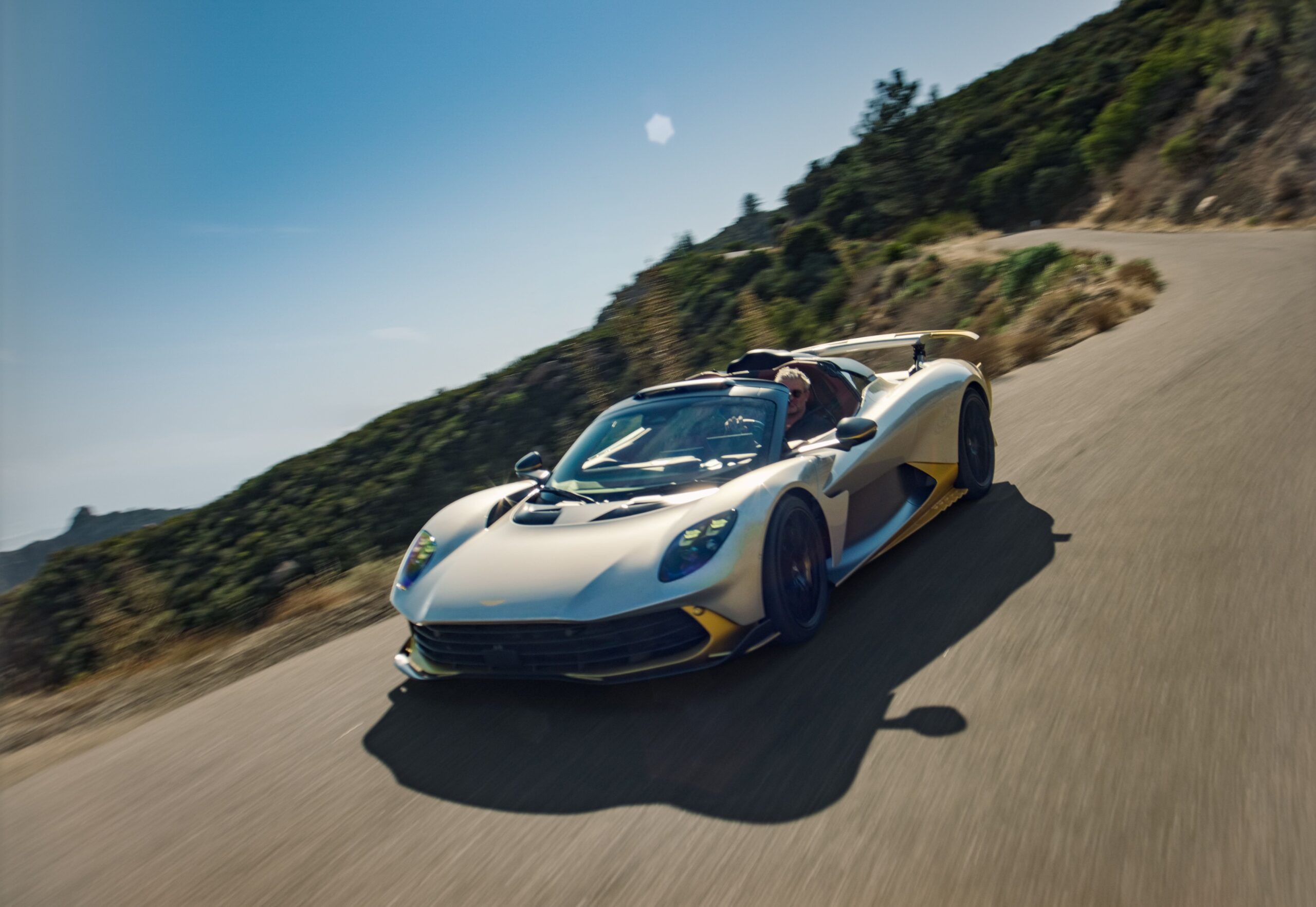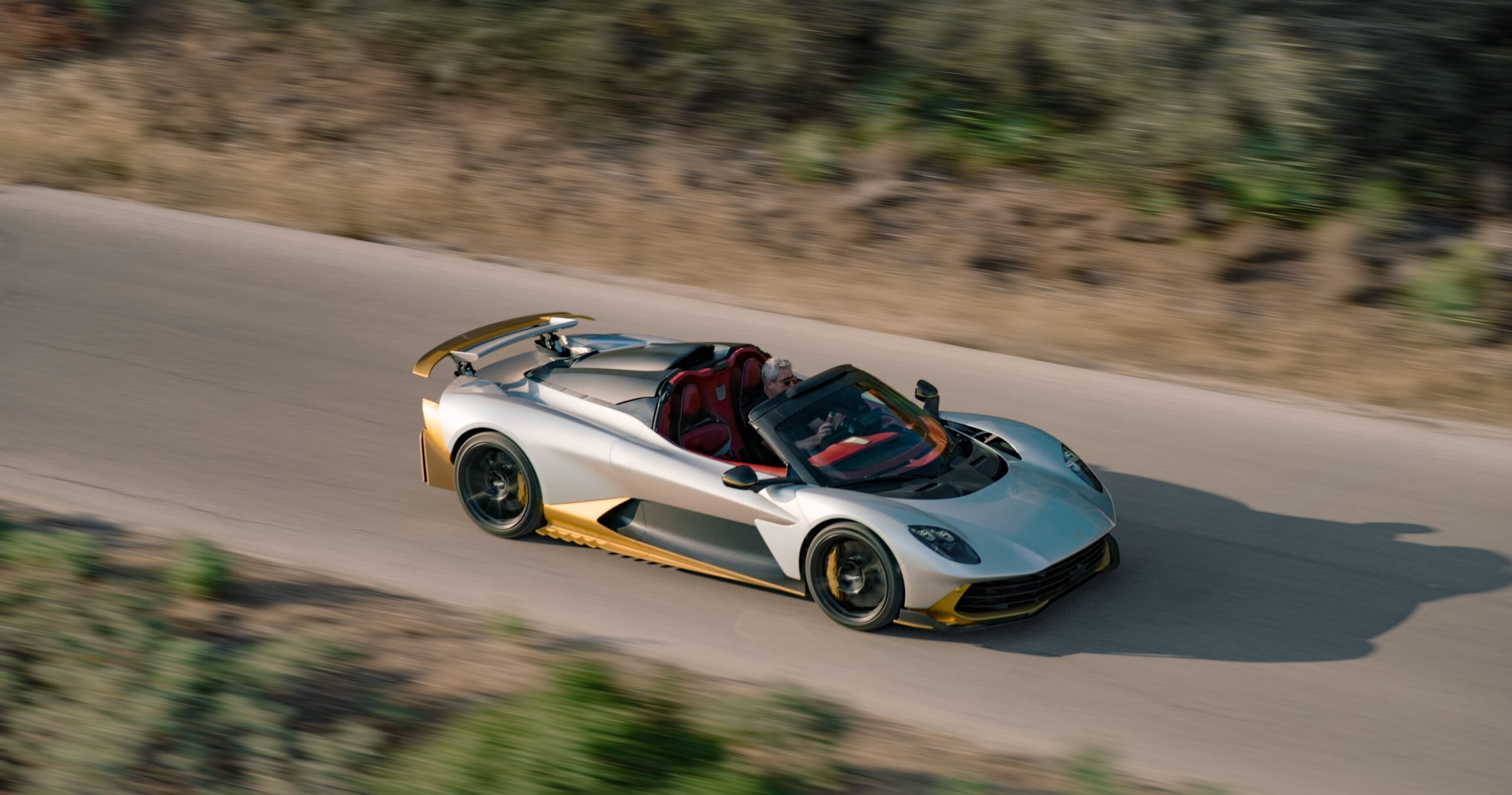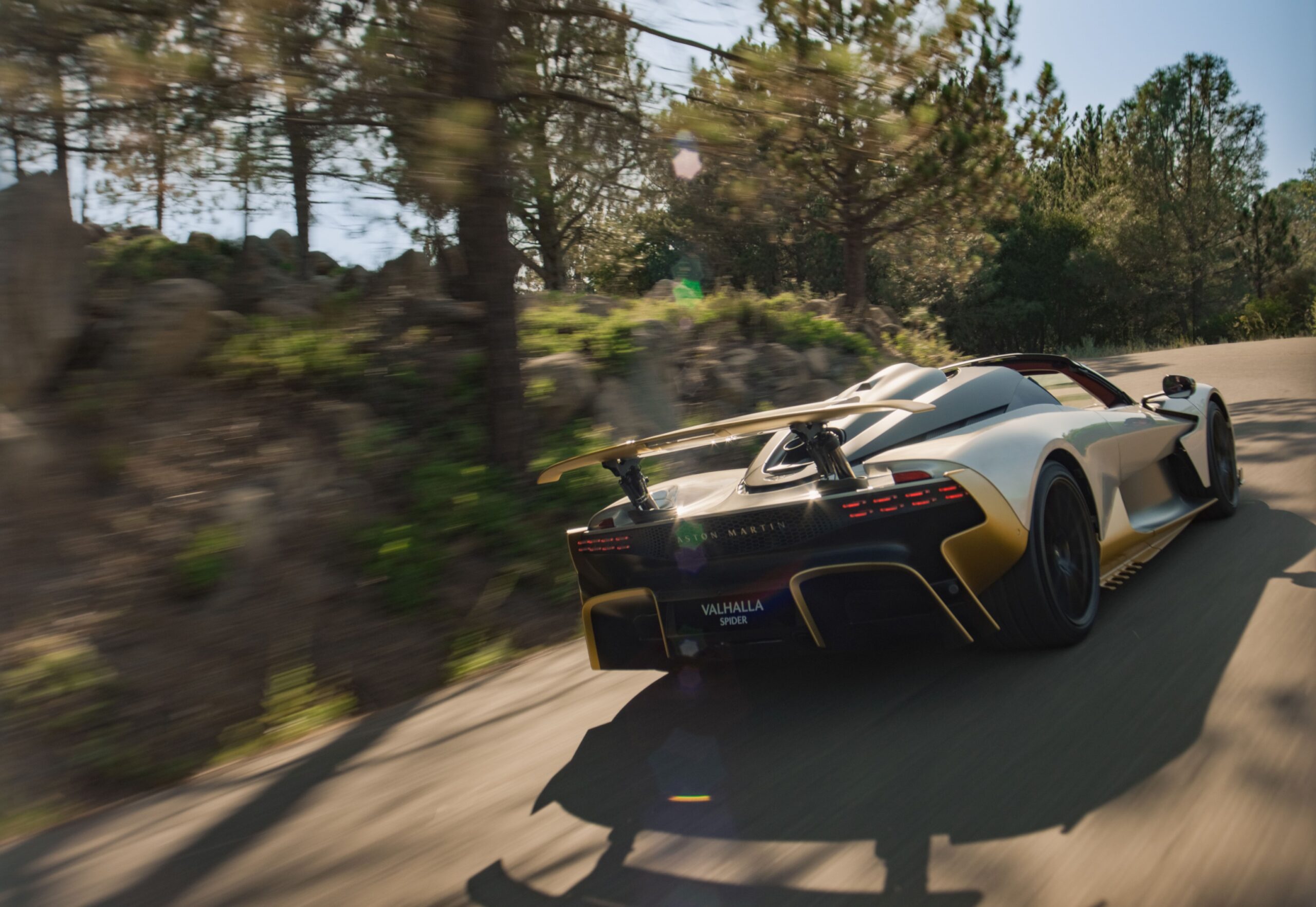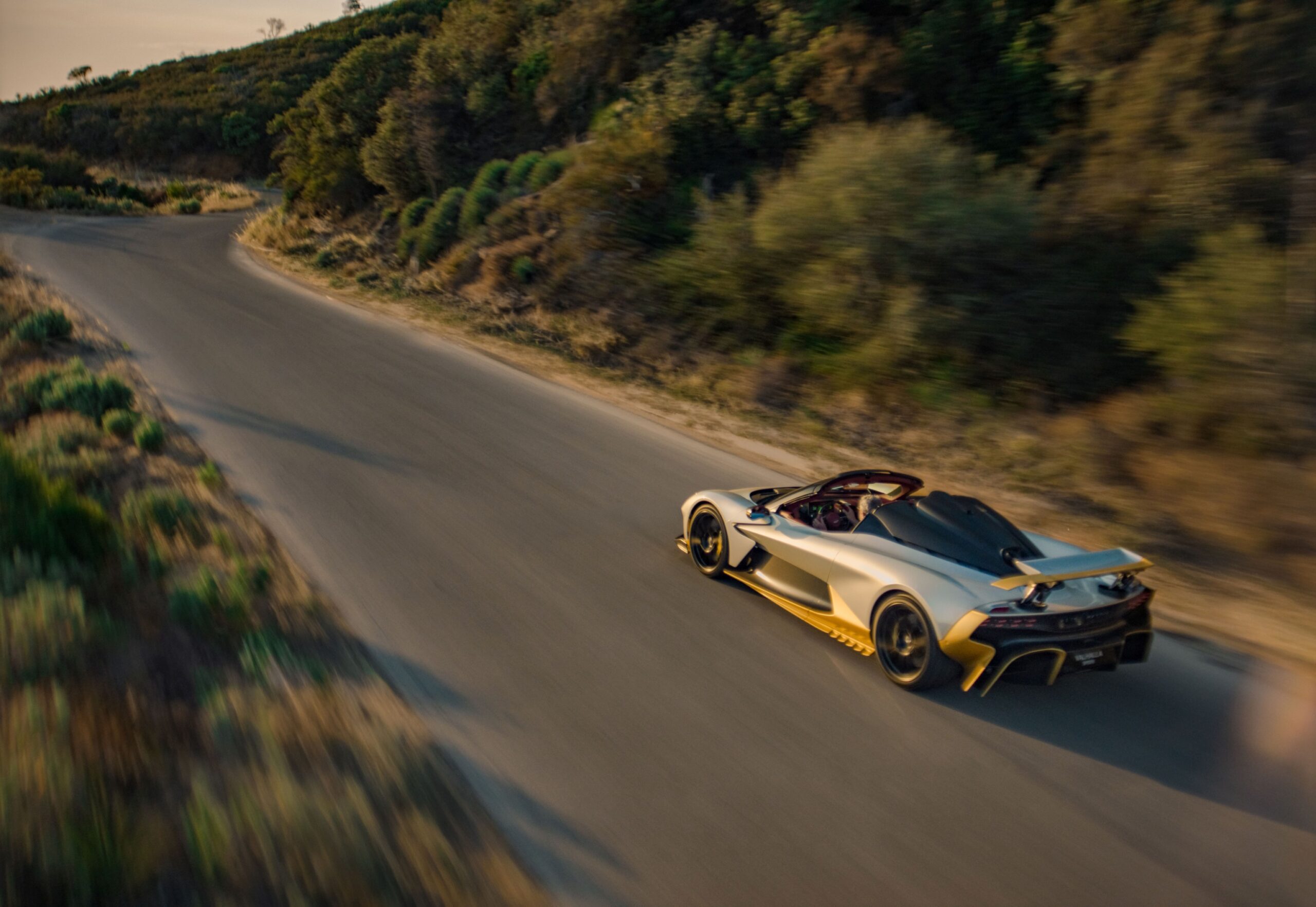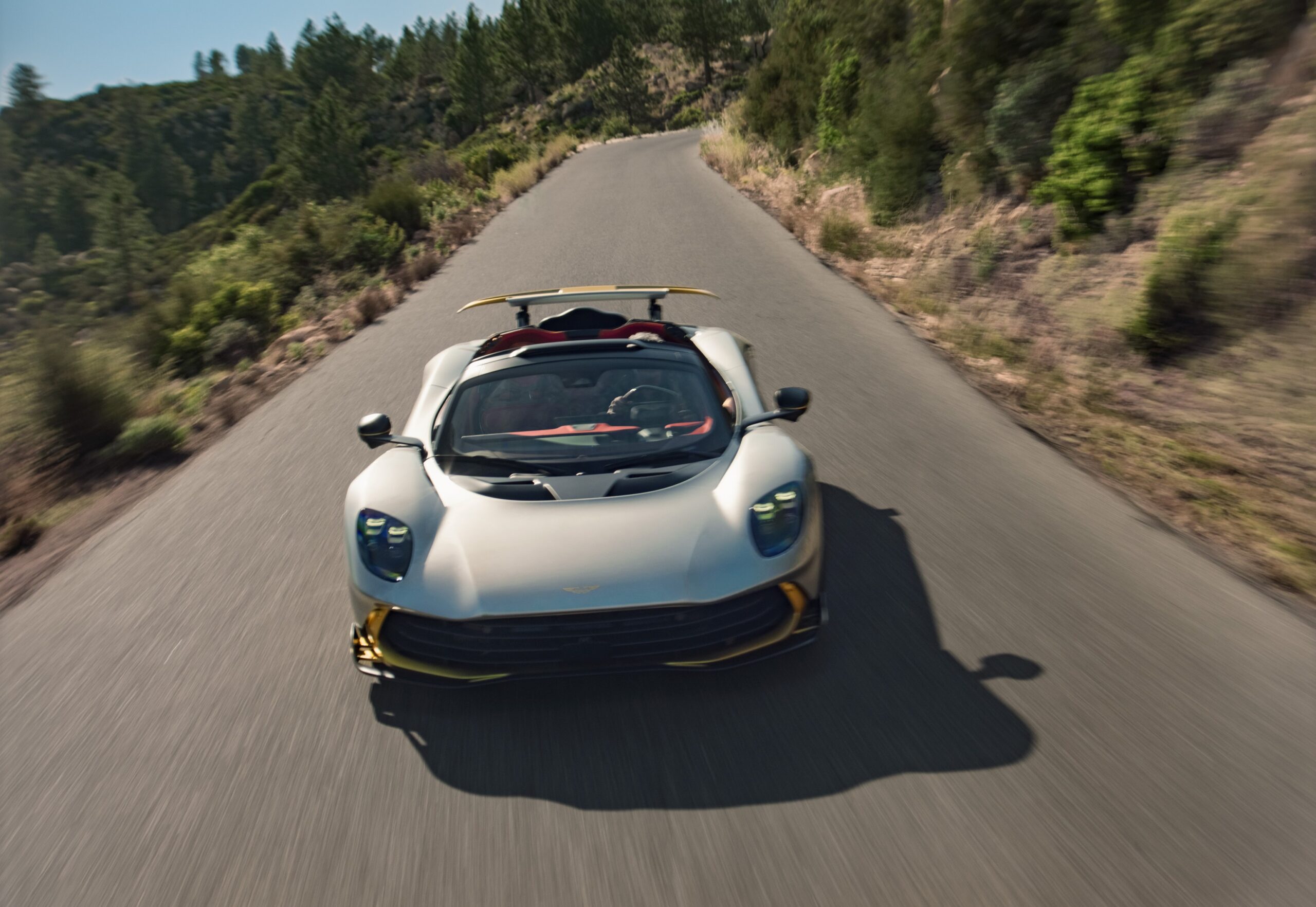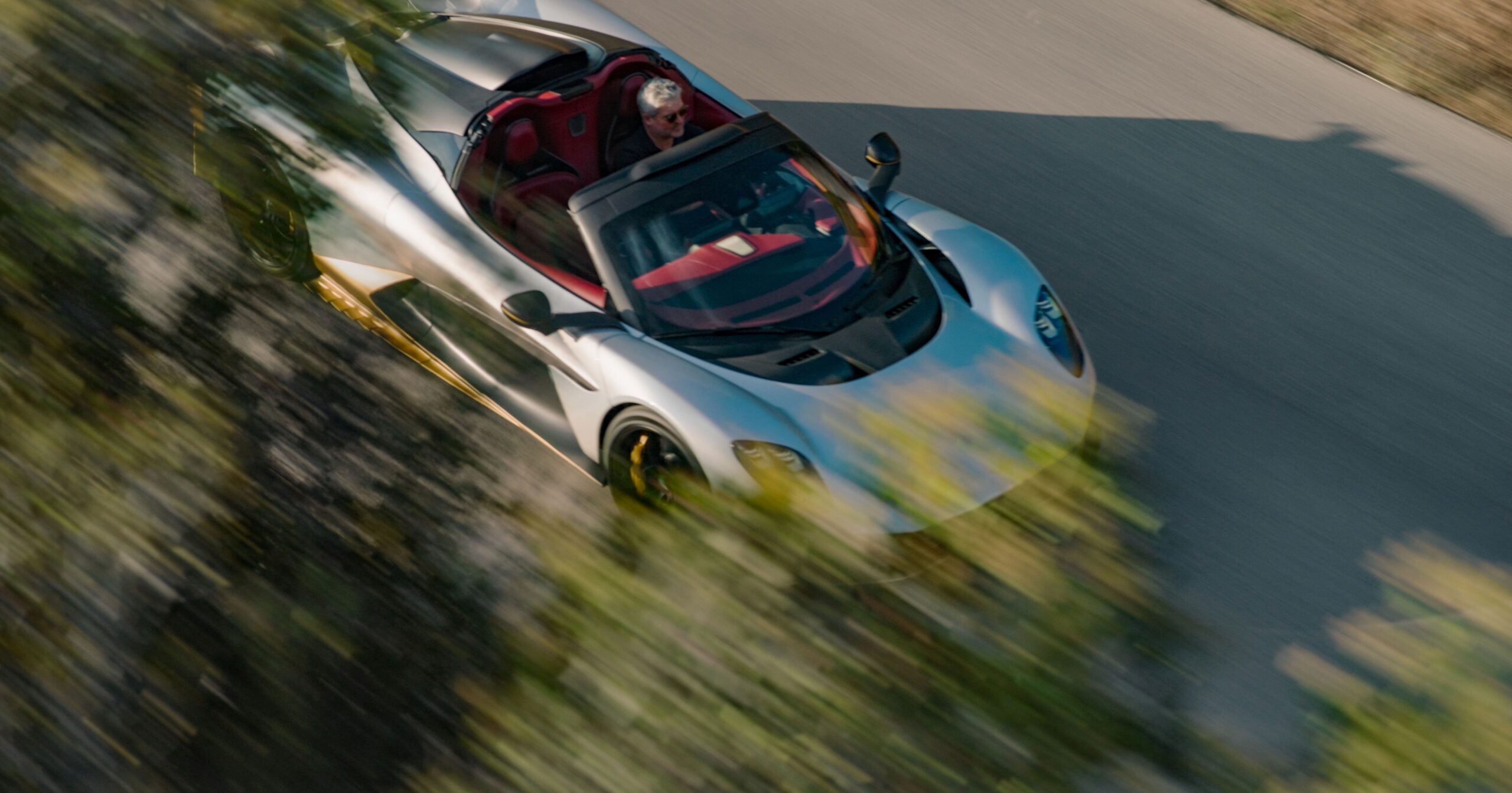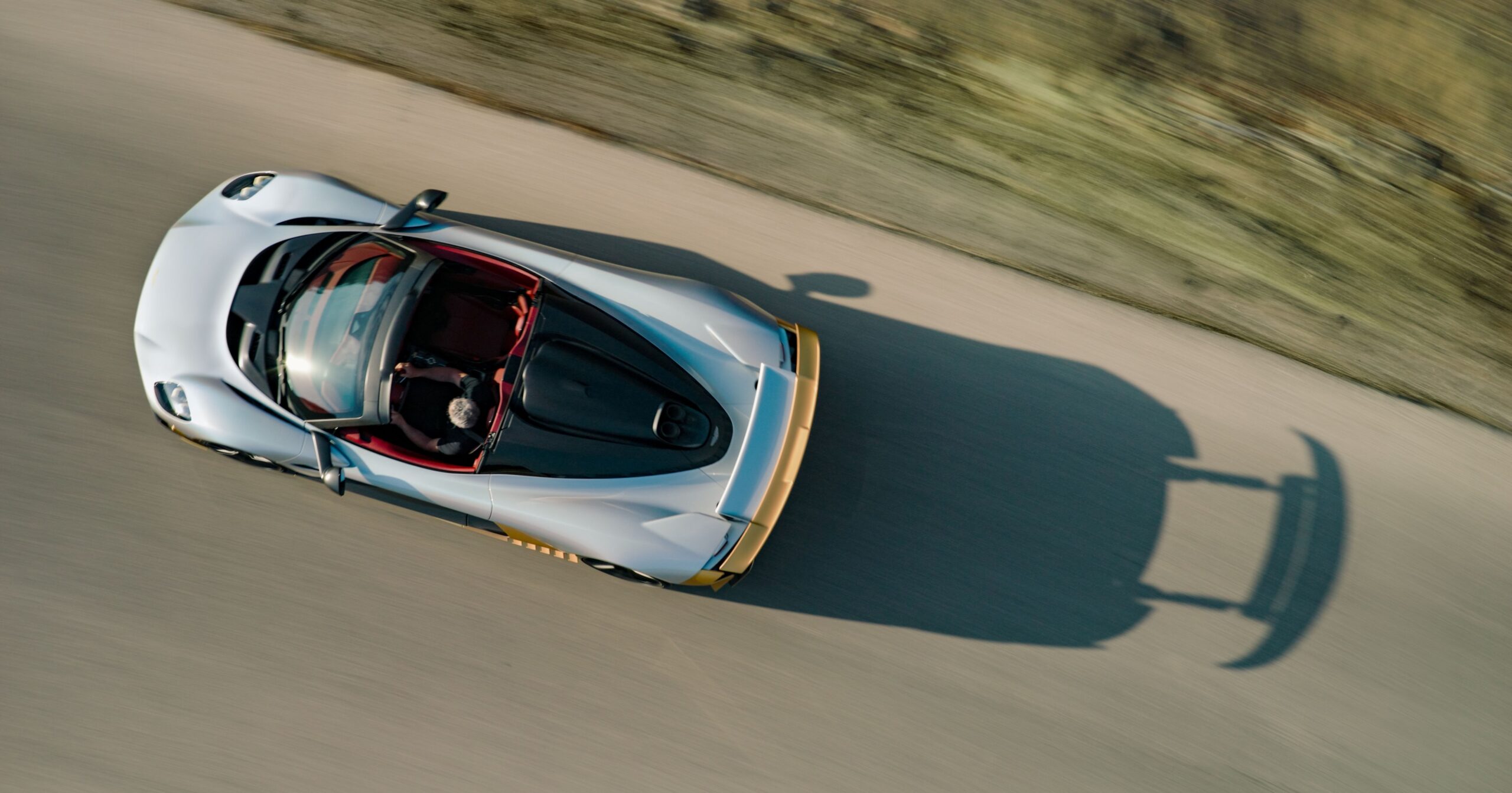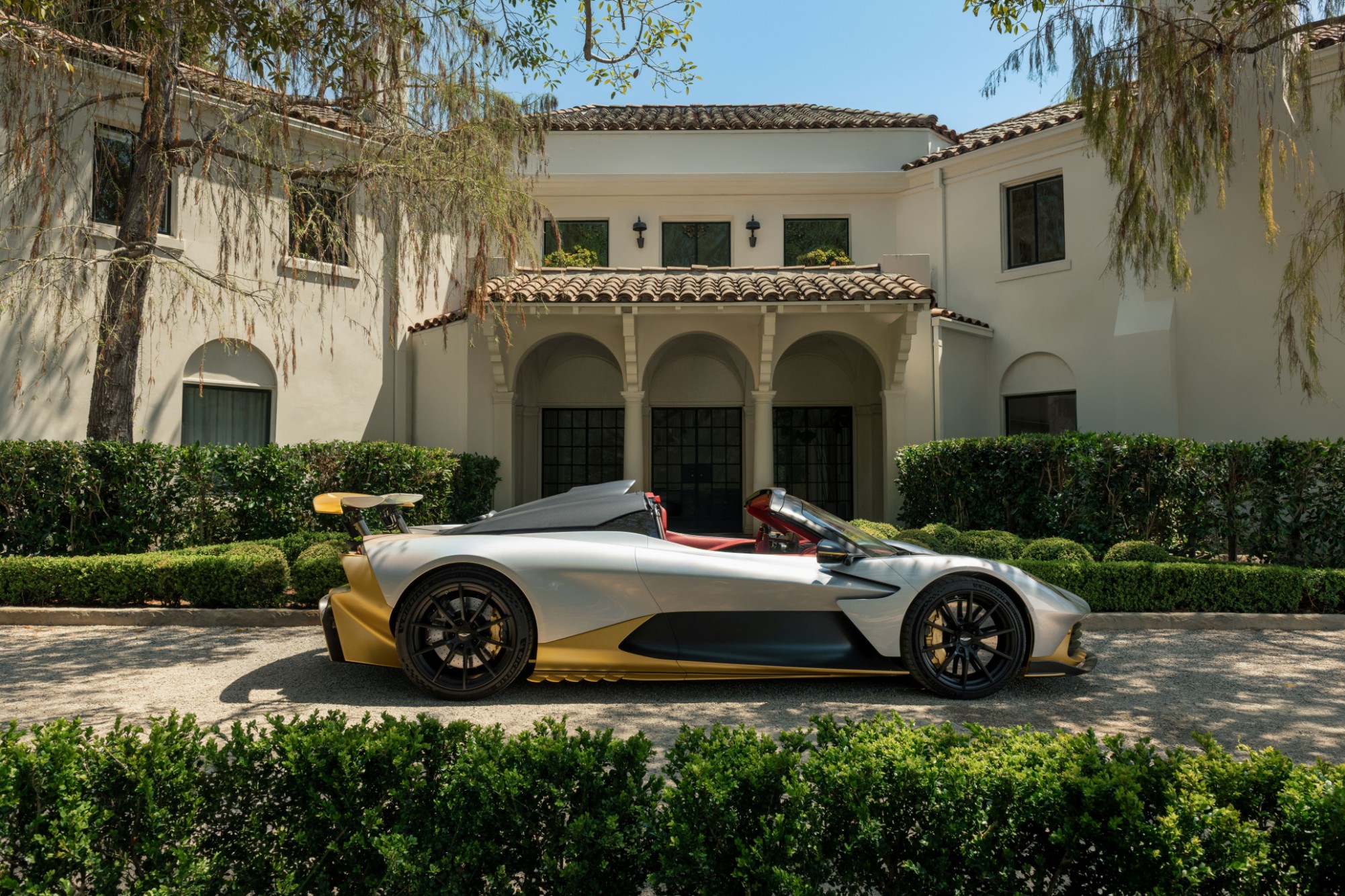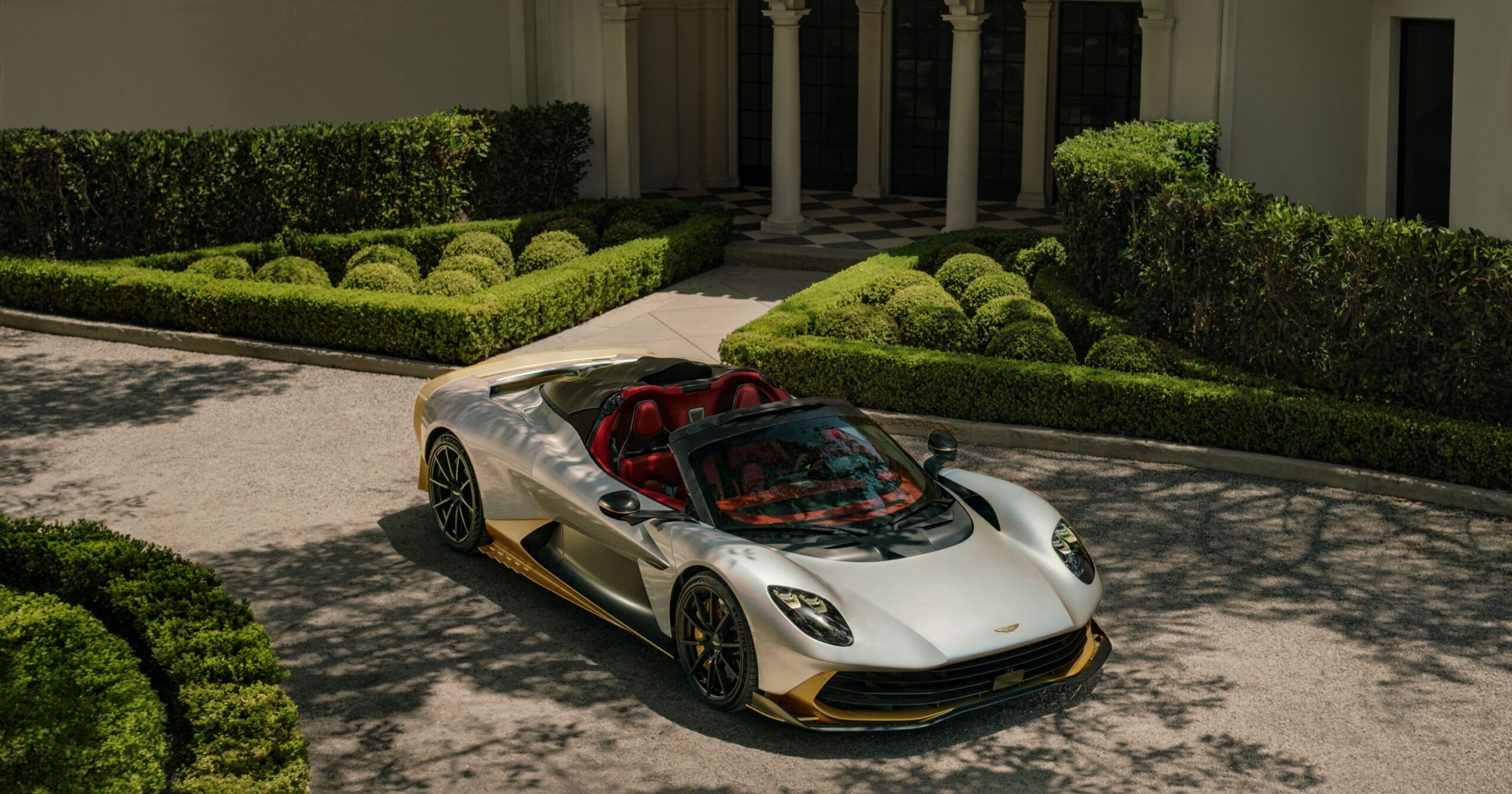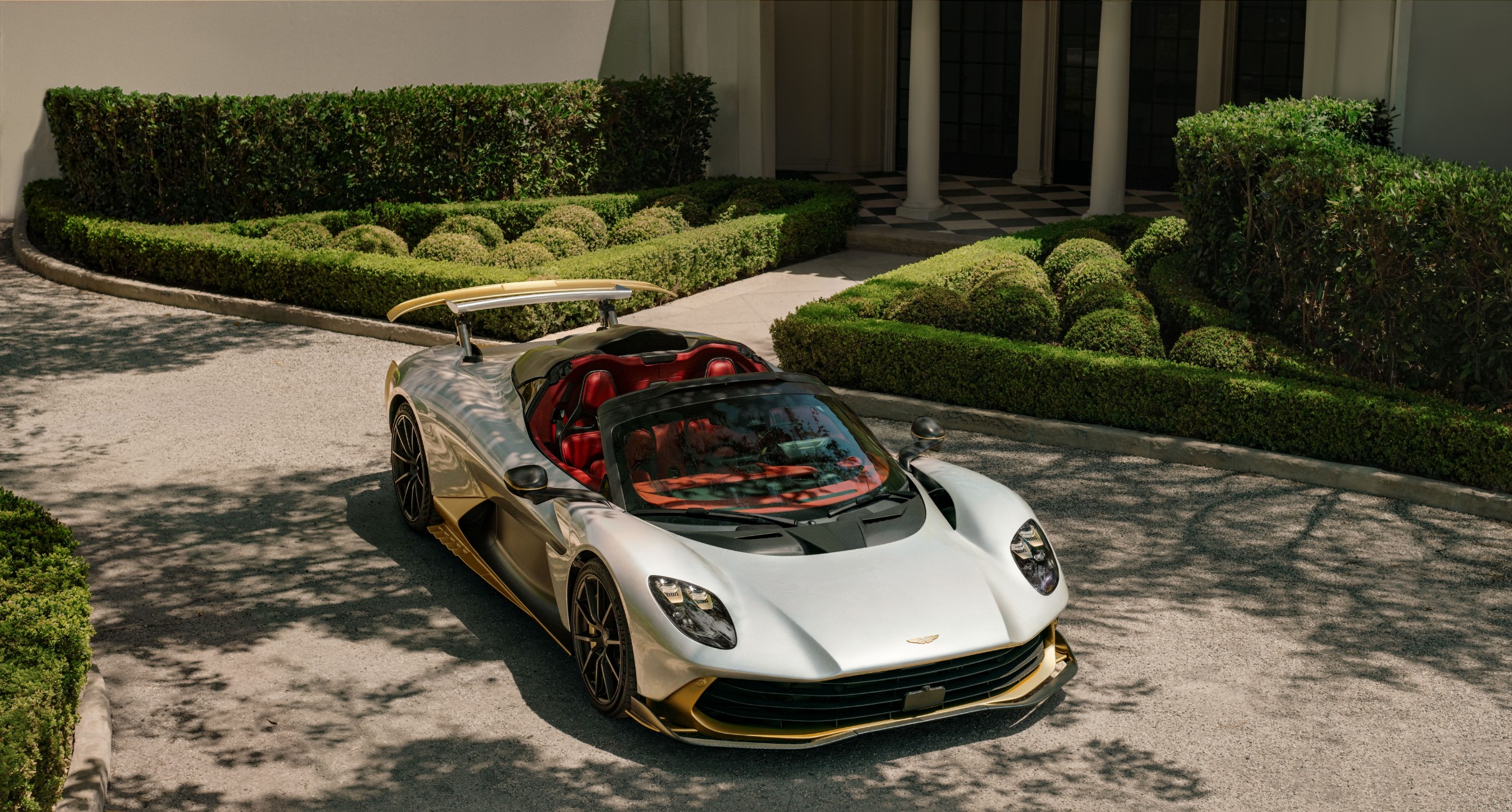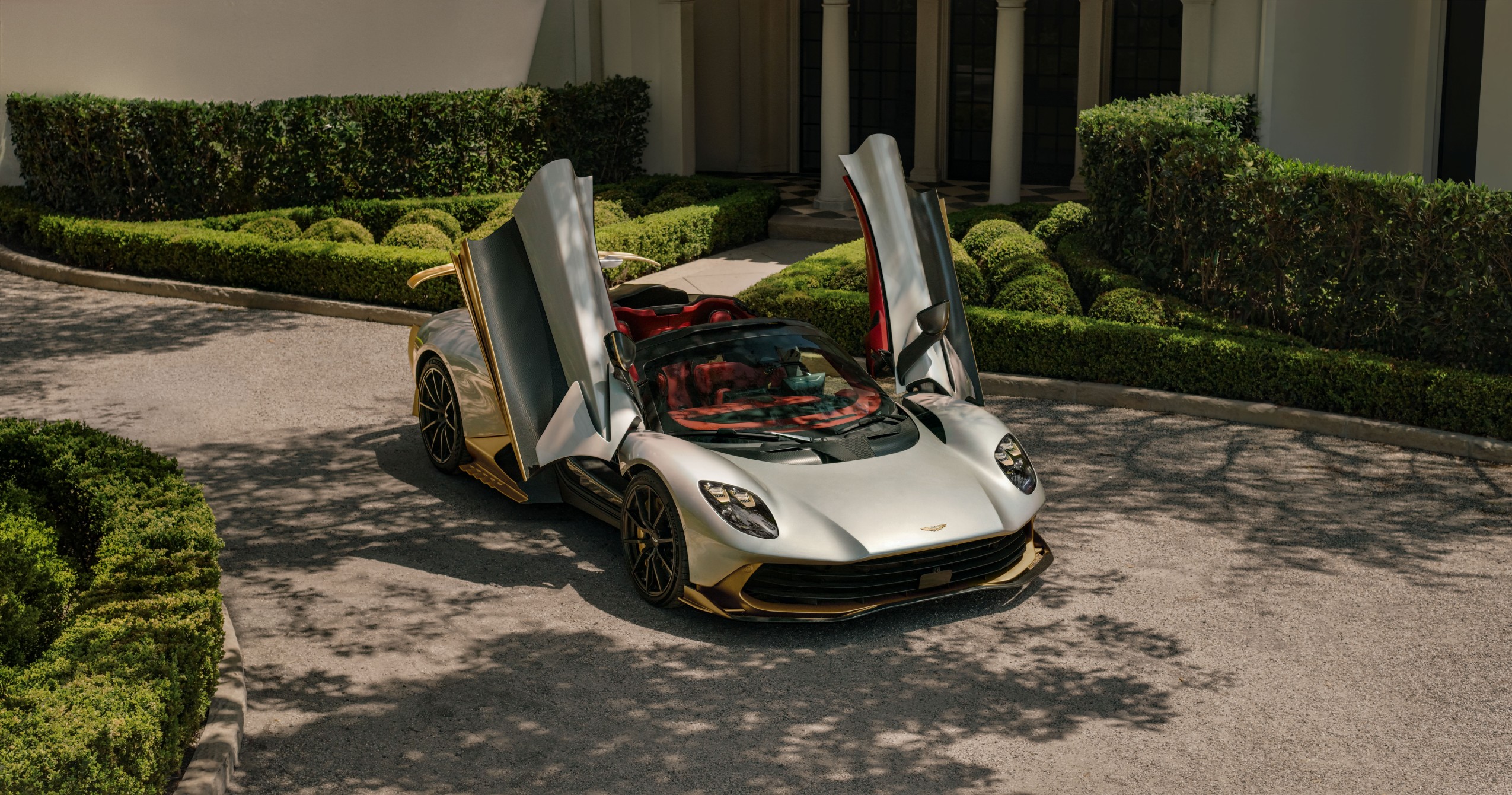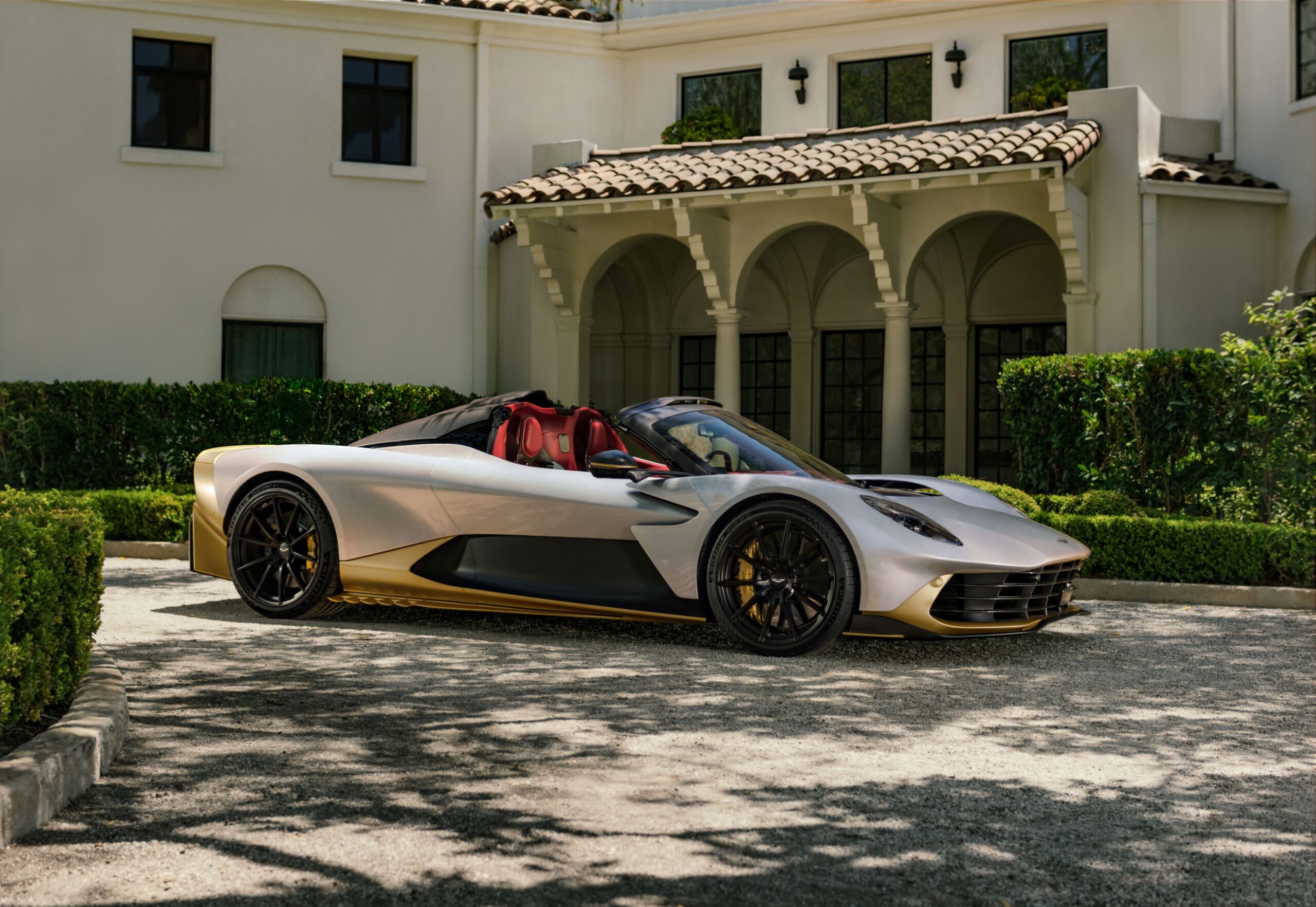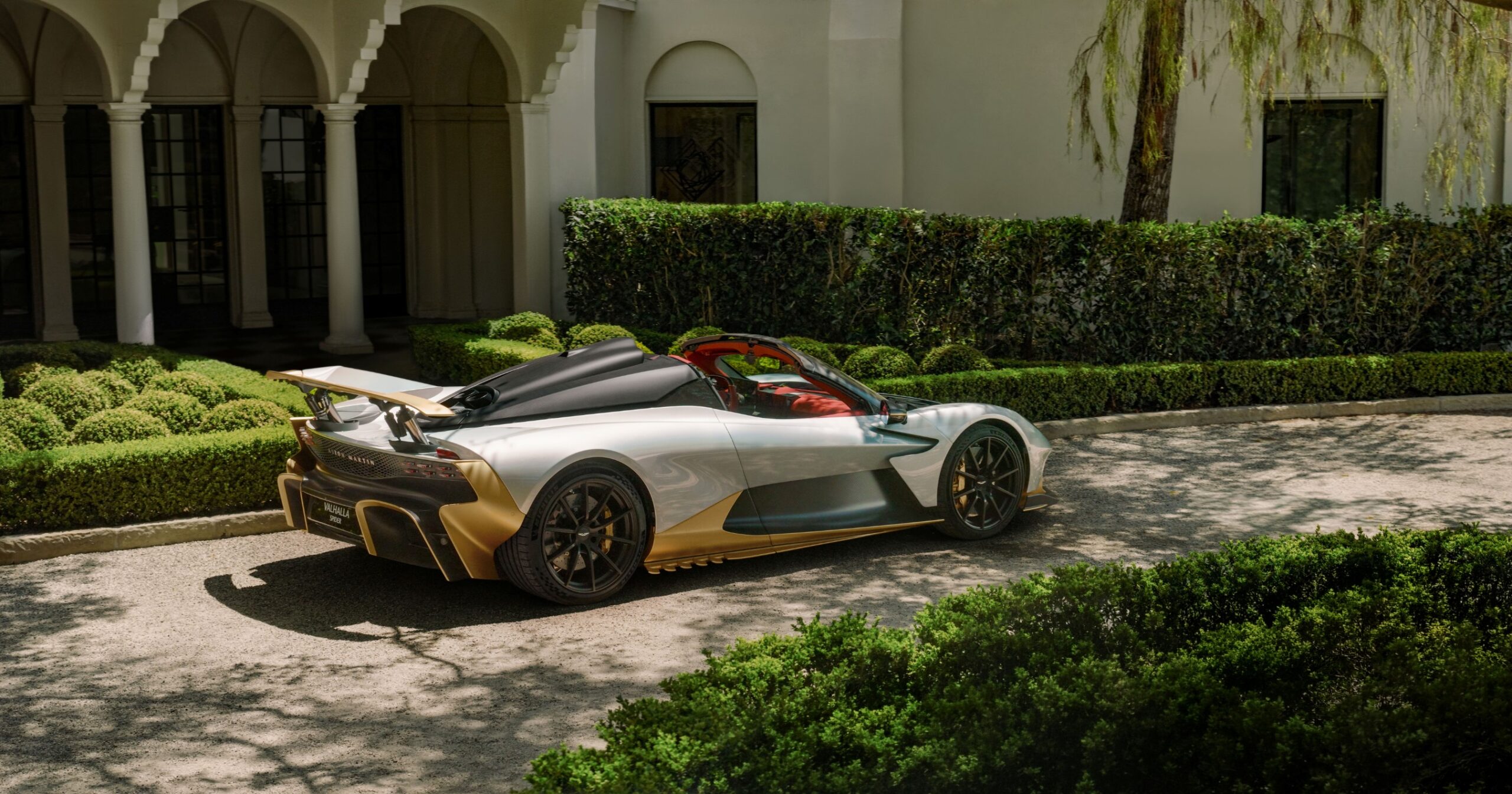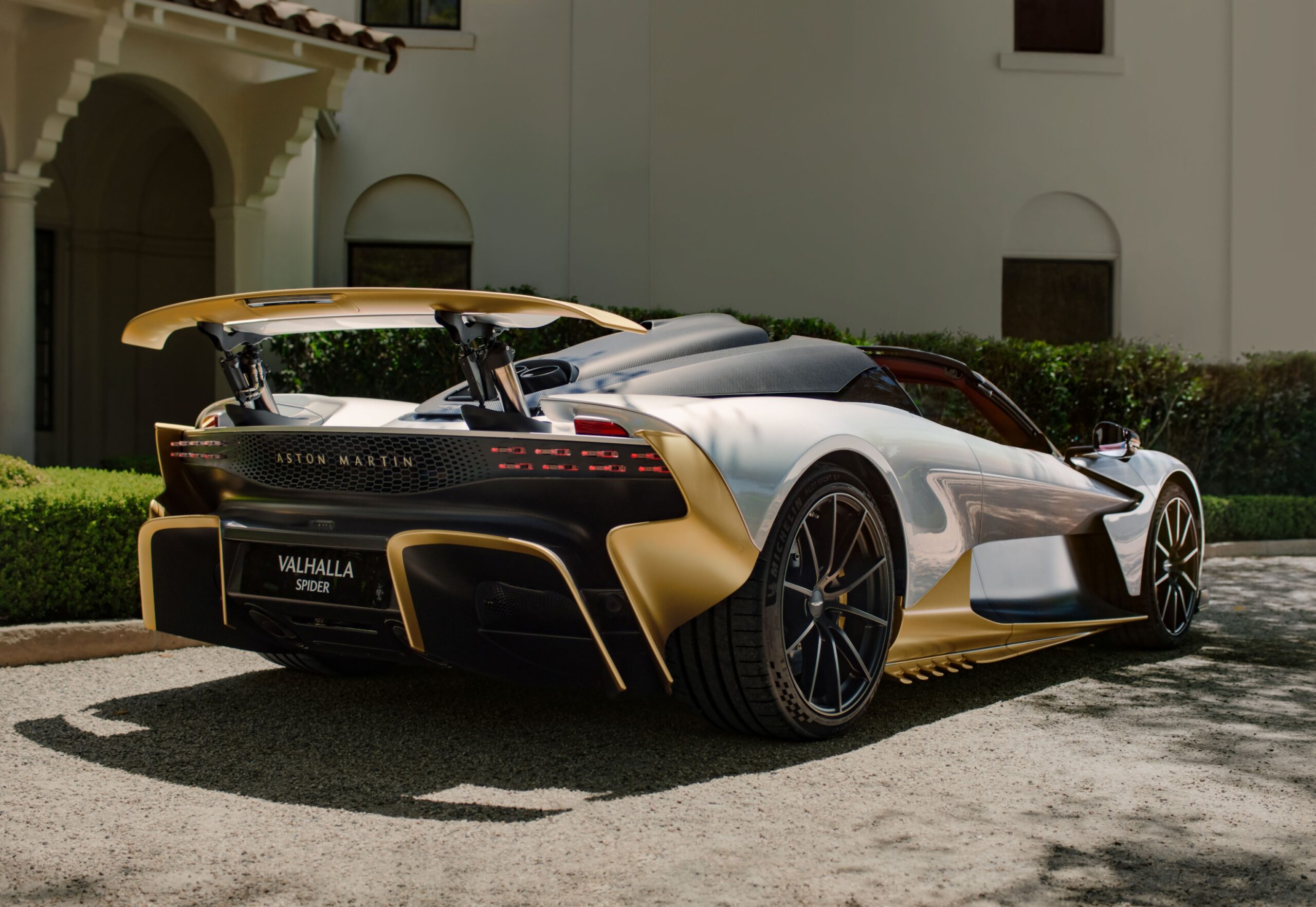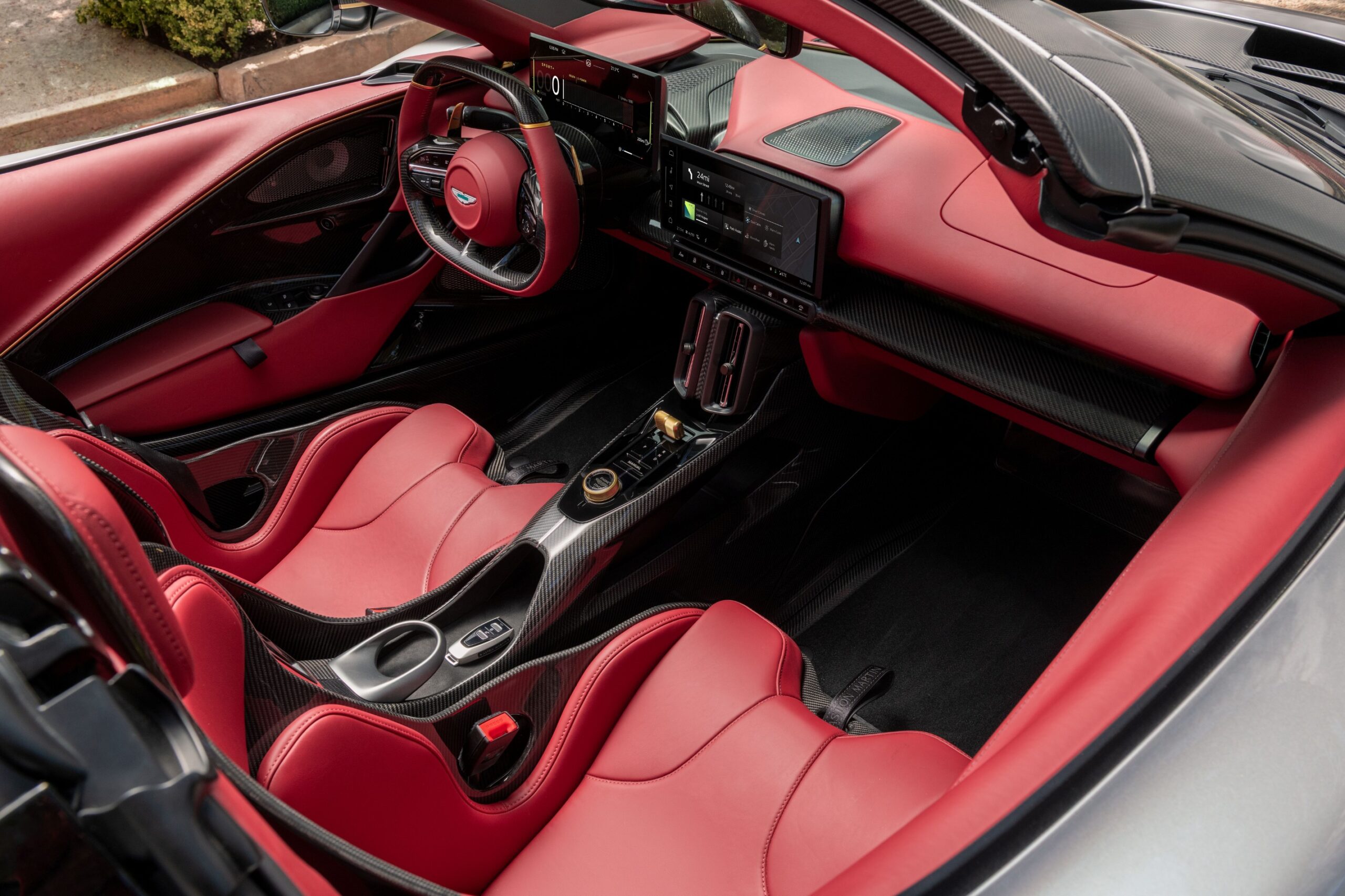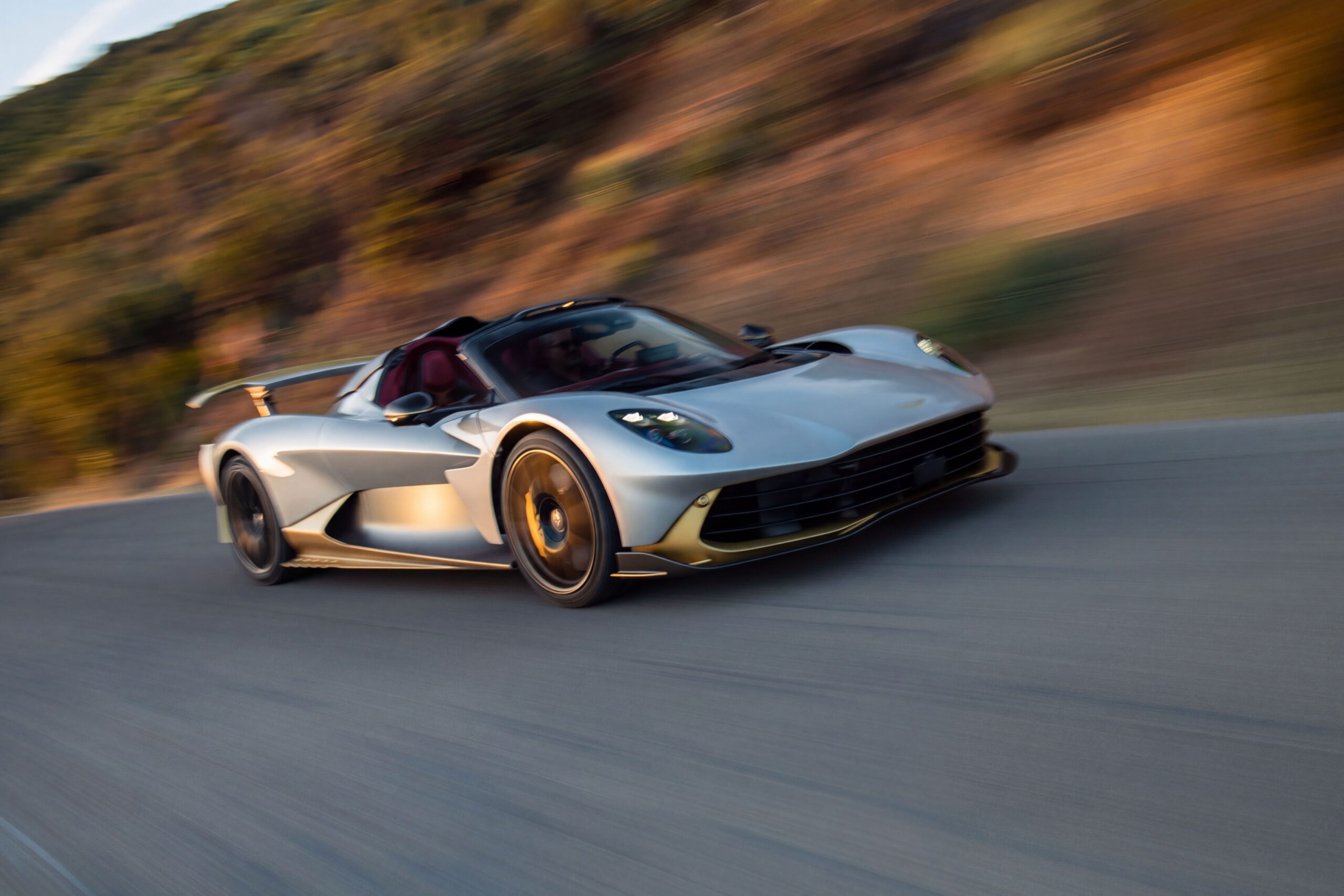
Aston Martin has revealed the Valhalla Spider, bringing open-air driving to its mid-engined hybrid supercar without sacrificing its headline performance. With the roof removed, it will reach 350 km/h (217 mph), making it the fastest open-cockpit Aston Martin yet.
That puts it ahead of the V12-powered Valkyrie Spider in roof-down running, where the older car’s quoted top speed is around 330 km/h (205 mph).
Aston Martin Valhalla Spider Price And Production
The Spider is expected to account for roughly a quarter of the Valhalla’s total 999-car production run. Buyers face an estimated 40% premium over the coupé.
That would make it roughly three times the price of a Ferrari 849 Testarossa Spider. Even so, most examples are reportedly spoken for, with production still approximately a year away.
For Aston Martin, the appeal goes beyond exclusivity. Expensive derivatives such as this help lift the average selling price of its cars, supporting the company’s plans to improve margins through more flagship versions of existing models.
Removable Roof Keeps Weight In Check
Turning the Valhalla into a Spider involved more than opening up the cabin. Aston Martin needed to retain the stiffness of its carbon fibre structure while keeping the car’s proportions intact.
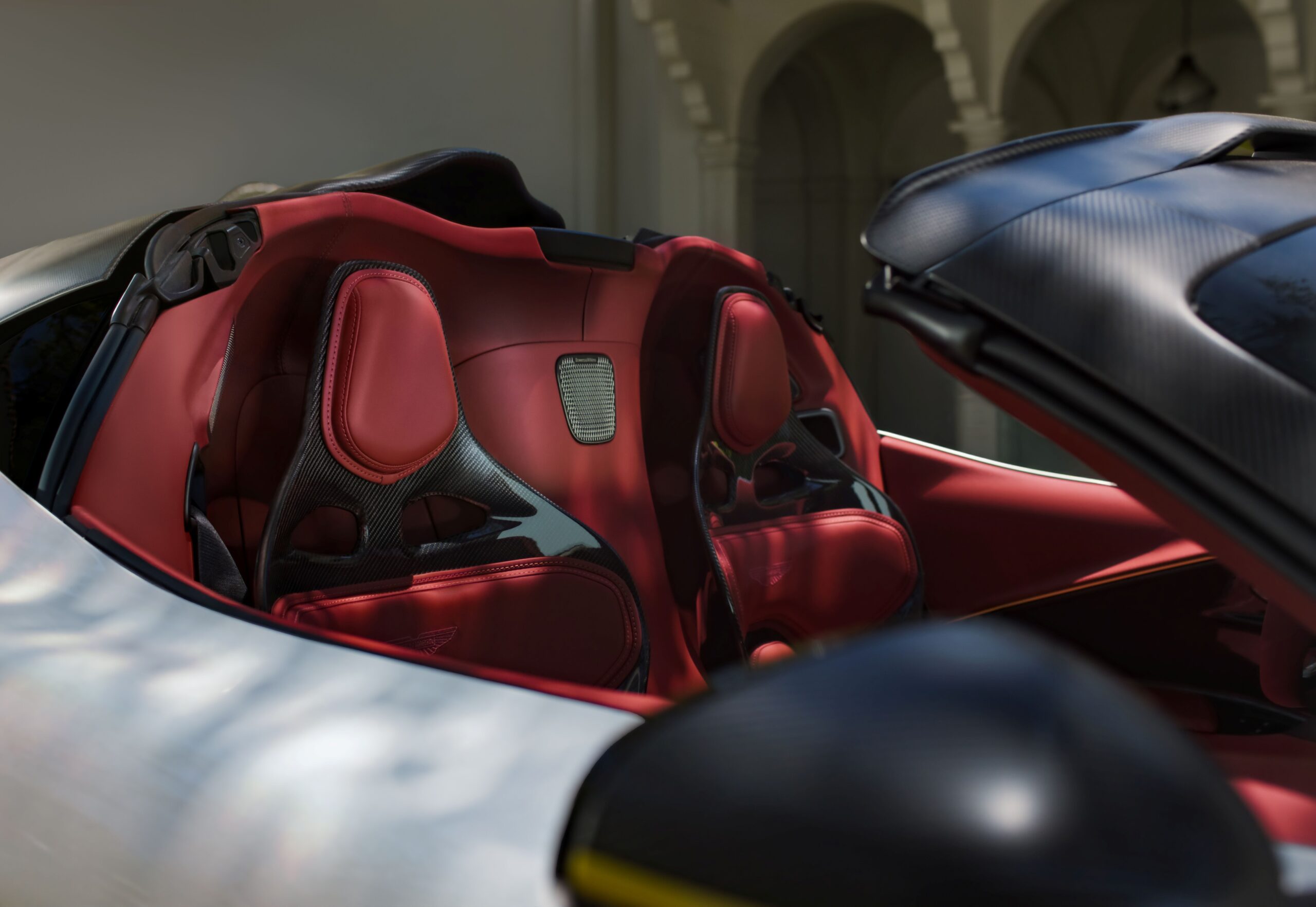
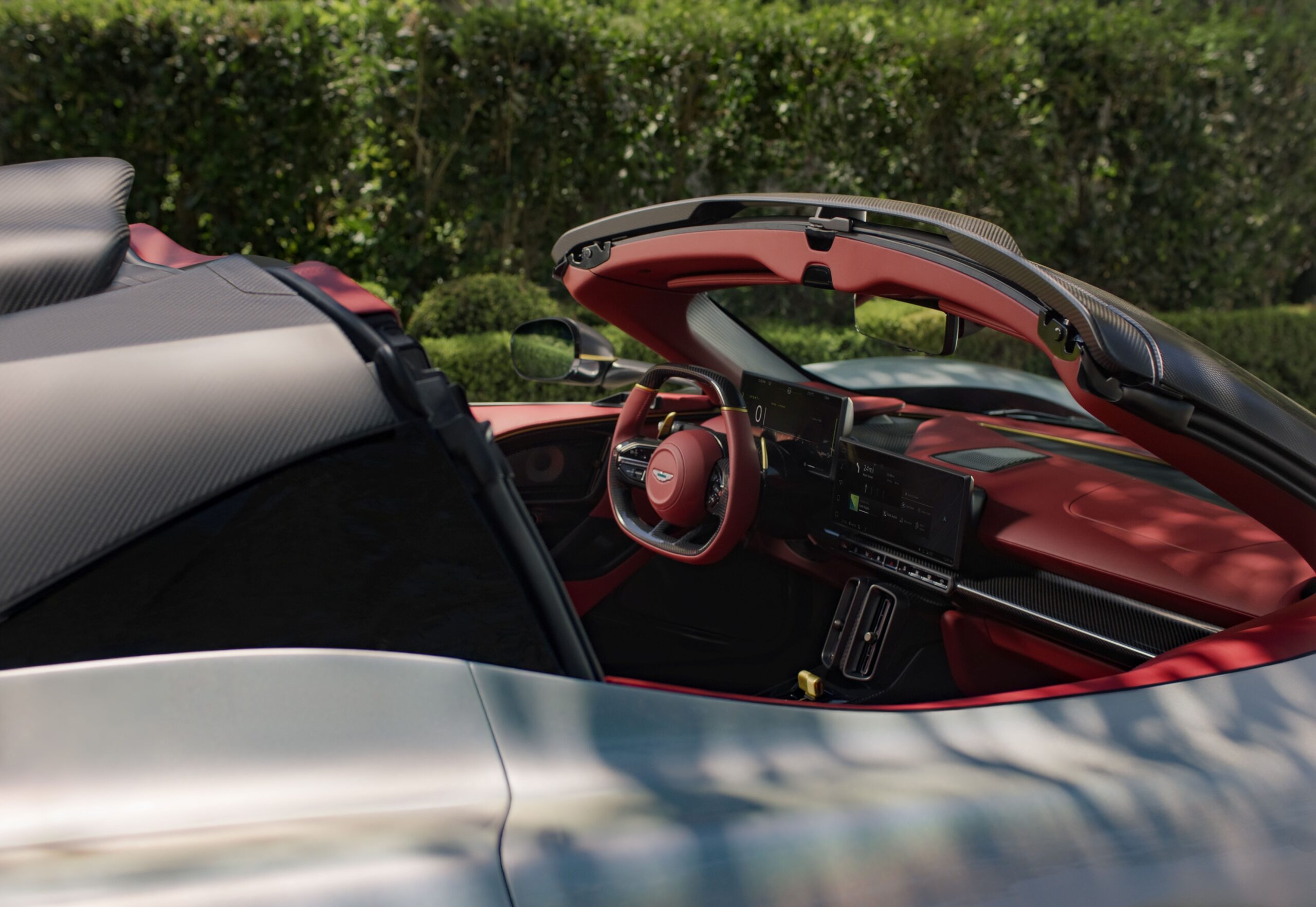
The solution is a removable targa-style roof rather than a powered folding arrangement. A fabric panel comes as standard, with a carbon fibre hardtop available as an option.
There is an important distinction between the two: the Spider can reach 350 km/h (217 mph) with the cockpit open or the carbon hardtop fitted. With the fabric roof installed, maximum speed is limited to 200 km/h (124 mph).
A removable wind deflector directs air over the occupants and towards the rear intake. The intake itself sits 35 mm higher to maintain cooling performance with the roof off.
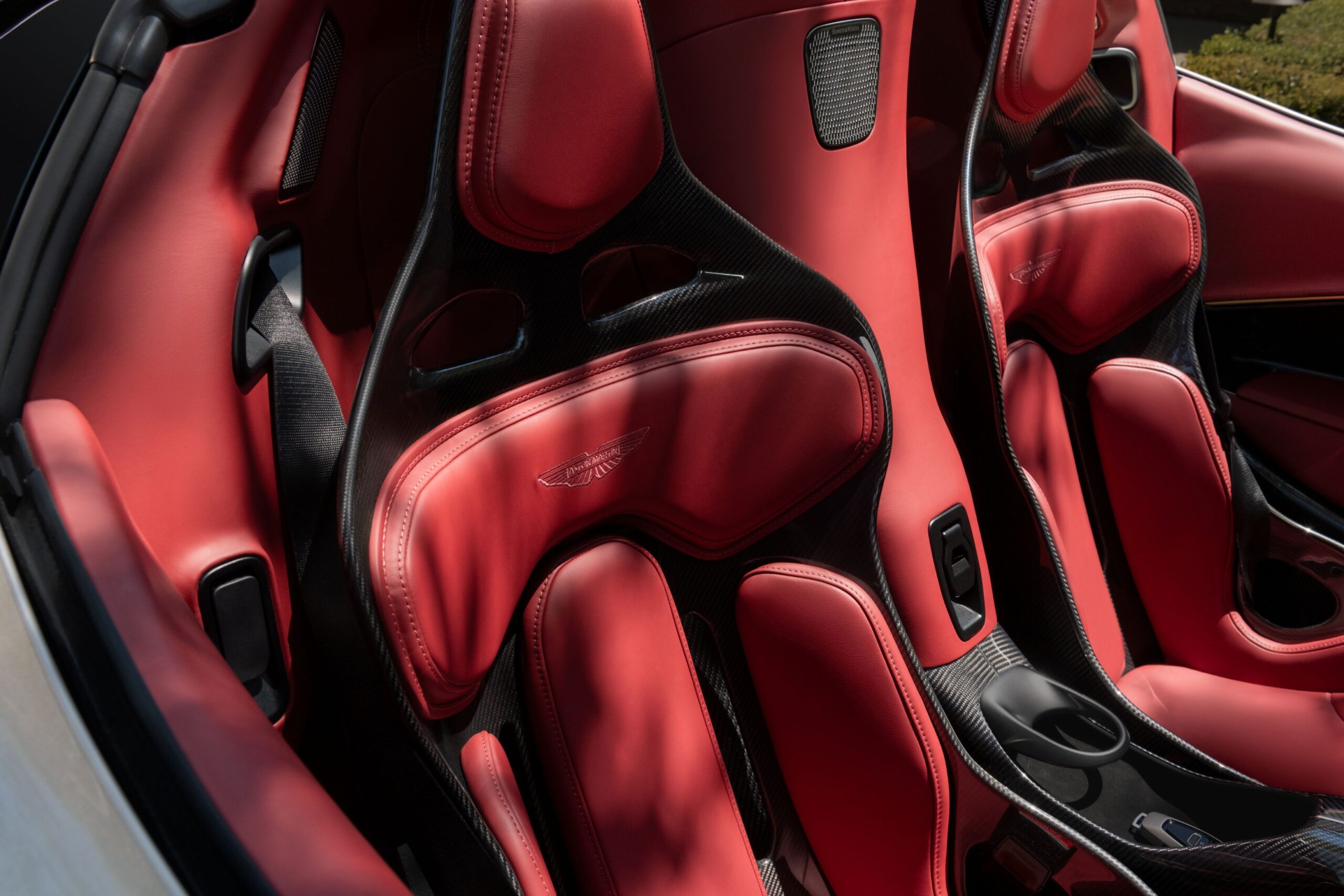
Both the folded fabric roof and wind deflector can be stored in new 15-litre compartments built into the lower sills.
Hybrid V8 Delivers 1,064 HP And 1,100 Nm
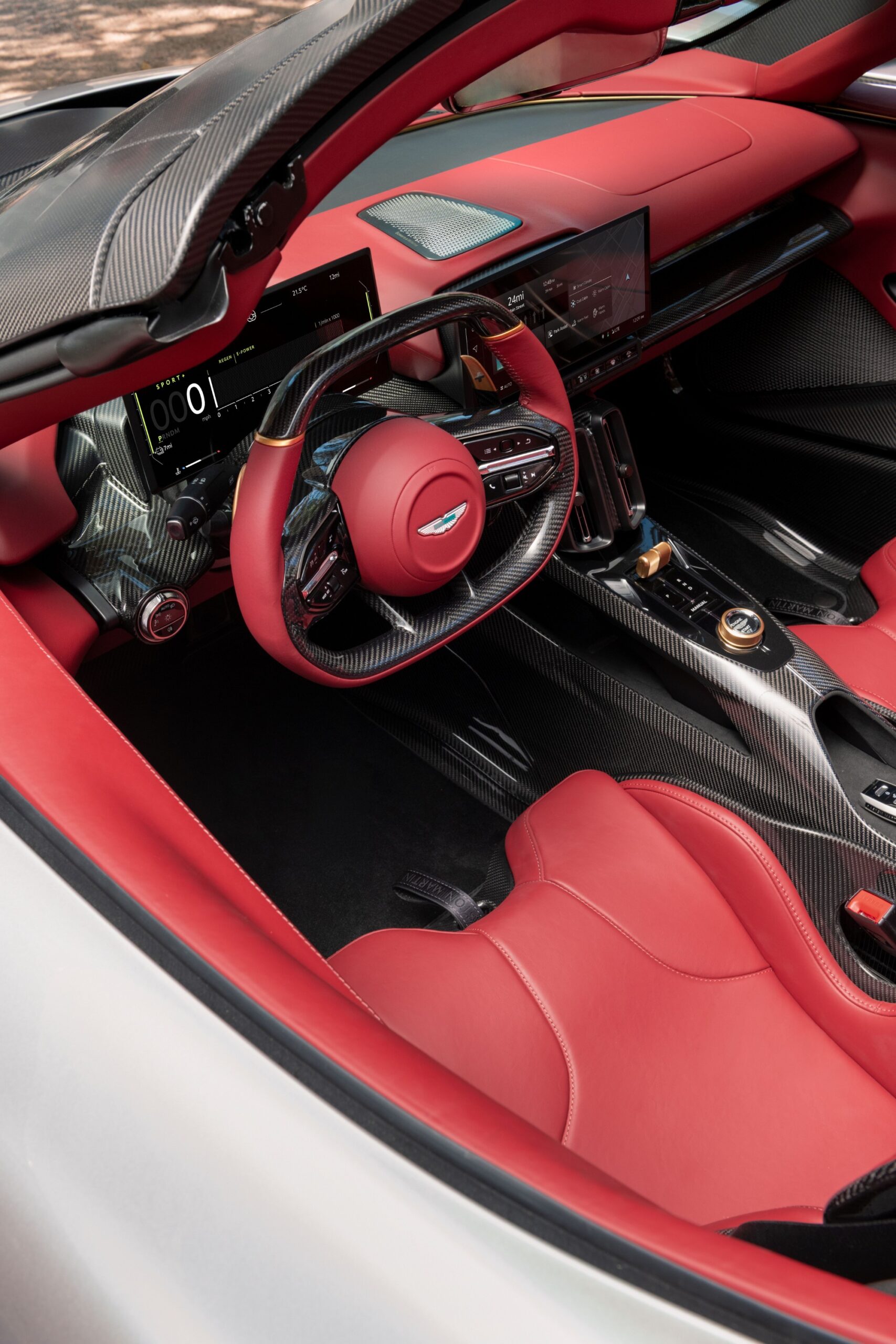
The Spider carries over the coupé’s twin-turbocharged 4.0-litre V8 and three electric motors, producing a combined 1,064 hp (794 kW) and 1,100 Nm (811 lb-ft).
Despite gaining 25 kg, bringing dry weight to 1,680 kg, it matches the fixed-roof car’s claimed 0 to 100 km/h (0 to 62 mph) time of 2.5 seconds.
Revised Aerodynamics And Frameless Doors
Removing the roof changes how air moves across the car, so the Spider uses revised active aerodynamics and stability-control settings to maintain predictable handling.
The coupé’s integrated vehicle control system remains, coordinating the suspension, brakes, steering, powertrain and aerodynamic surfaces. With its roof fitted, the Spider retains the quoted 600 kg downforce capability.
The dihedral doors survive the conversion too, although they now feature frameless windows and revised profiles to make getting in and out easier with the roof installed.