
Mercedes-Benz’s first serious push into electric cars didn’t exactly go to plan. Models such as the EQS and EQE struggled to win over buyers, while the unusual styling and detached driving experience of the early EQ range left plenty of traditional Mercedes customers unconvinced.
The German manufacturer appears to have taken those lessons on board. Its latest generation of electric cars is taking a very different approach, and early signs suggest the strategy is working.
Mercedes’ New EV Strategy Is Starting To Pay Off
Rather than building electric cars that look and feel completely separate from the rest of its range, Mercedes is bringing its combustion and electric models much closer together.
The latest CLA has already picked up major recognition in Europe, while early impressions of the new GLB and GLC have generally been positive. An electric C-Class is also on the way as Mercedes continues expanding its next-generation EV portfolio.
Mercedes-Benz CEO Ola Källenius recently acknowledged that convincing committed combustion-engine enthusiasts to embrace electric power won’t happen overnight. His argument, however, is that the cars themselves will eventually do much of the convincing.
And one AMG in particular seems to have convinced him.
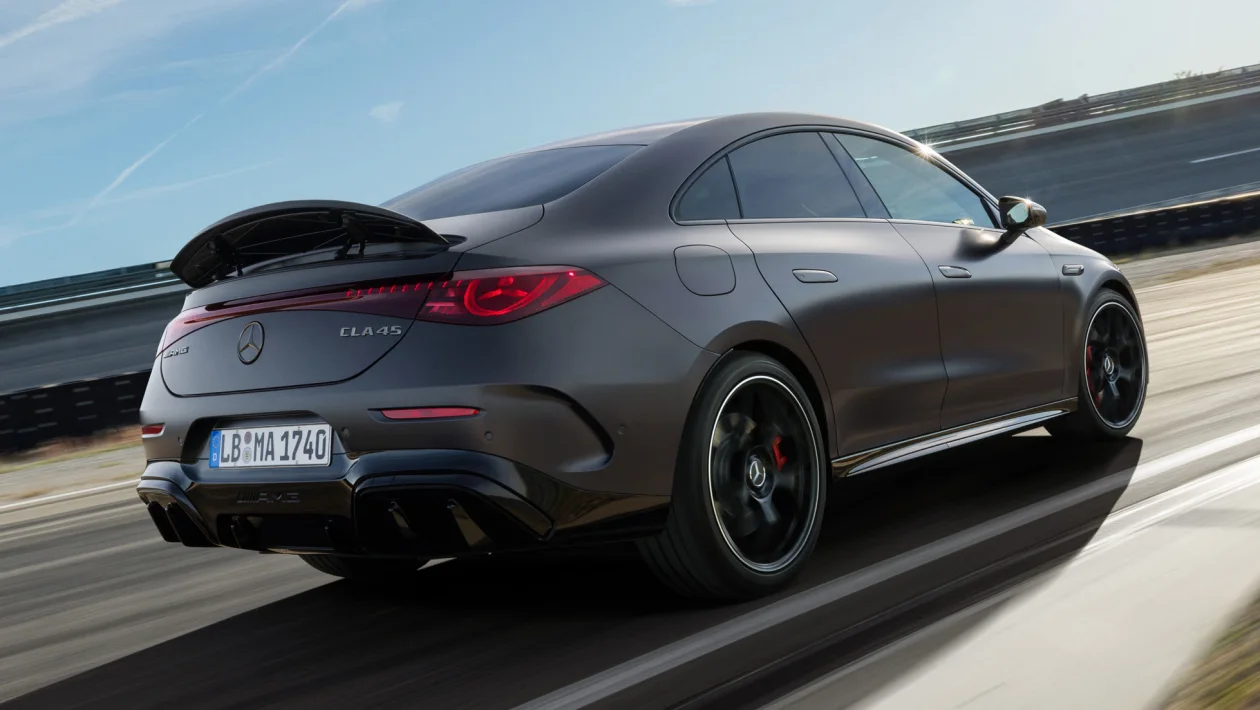
The Electric AMG CLA 45 Apparently Feels Like A V8
Källenius has been particularly enthusiastic about the new electric Mercedes-AMG CLA 45, going as far as comparing its character to that of a V8-powered performance car while talking to Autocar.
After driving it, the Mercedes boss described the experience as having the sensation of a V8 but with even greater power and torque.
That is quite a statement considering AMG’s history with some truly spectacular V8 engines.
The new CLA 45 certainly isn’t short on firepower. Its electric powertrain produces 671 hp (500 kW), representing a huge jump over the previous combustion-powered CLA 45, which produced 416 hp (310 kW).
As we covered when the car was revealed, the new electric AMG also promises performance figures that move the CLA into an entirely different league.
Why Mercedes Wants Its EVs To Feel Familiar
The point isn’t that an electric motor can genuinely replicate a V8 engine. Instead, Mercedes appears determined to make sure its future EVs still deliver the kind of emotional experience customers associate with the brand.
That was arguably missing from some of the company’s earlier electric products.
Power alone isn’t enough. Performance Mercedes models have traditionally combined speed with sound, response, character and a sense of occasion. Removing the combustion engine means AMG has to find new ways of delivering those qualities without making the experience feel artificial or completely disconnected from what came before.
The CLA 45 could therefore be an important test of whether AMG can successfully transfer its identity into the electric era.
Mercedes Isn’t Giving Up On Combustion Engines
Importantly, Mercedes-Benz is no longer treating electric vehicles as the only possible future.
The company previously targeted an all-electric future by 2030 in markets where conditions allowed, but its strategy has since become considerably more flexible. Combustion engines are expected to remain part of the Mercedes portfolio for years to come.
That gives customers a choice while allowing Mercedes to adapt to very different market conditions around the world.
It also removes some of the pressure to force customers into EVs before they are ready. Instead, the company can concentrate on making its electric products desirable enough that buyers actually want to make the switch.
The new CLA 45 might be one of the first serious examples of that philosophy. Whether a lifelong AMG V8 enthusiast will agree with Källenius’ assessment is another question entirely.