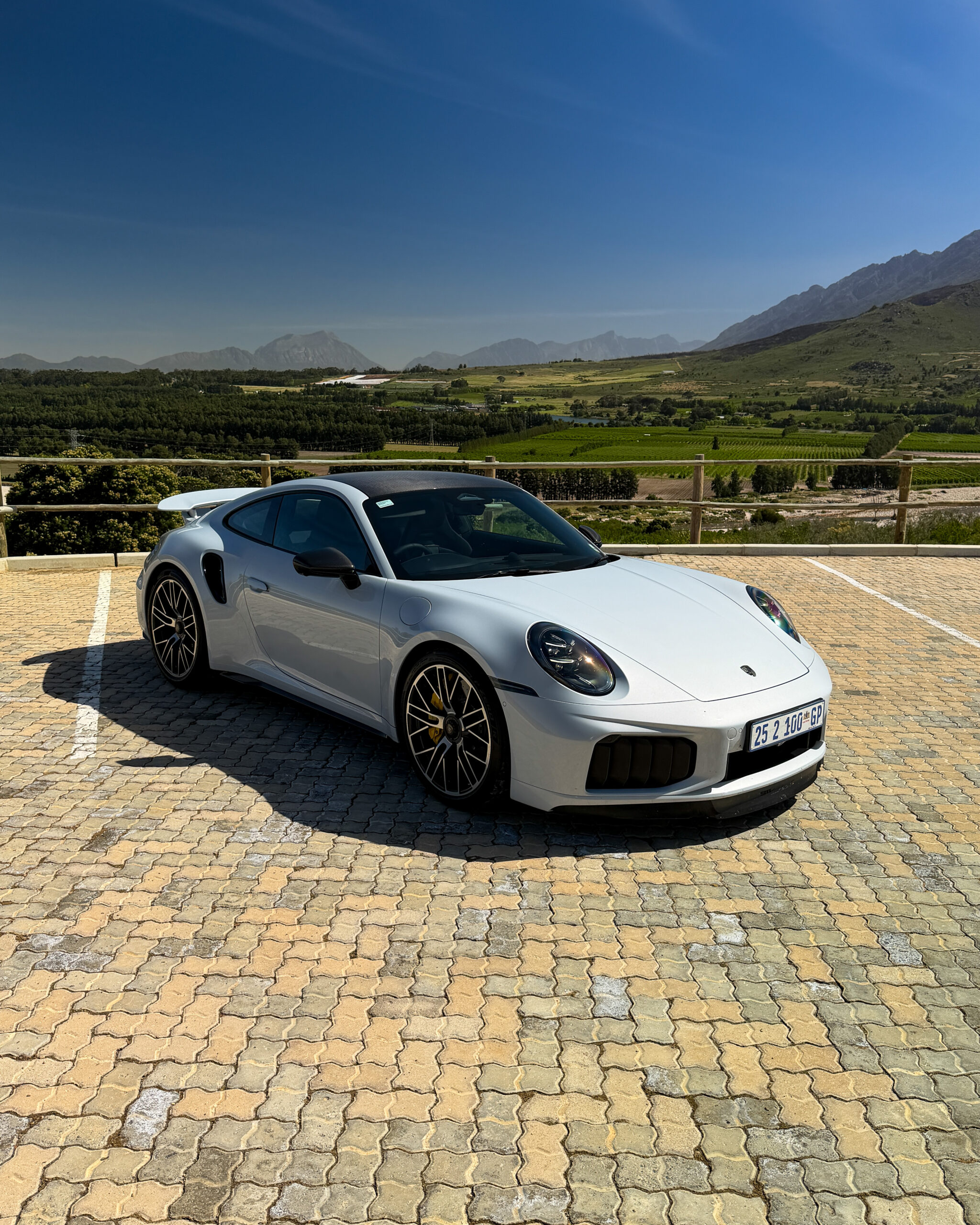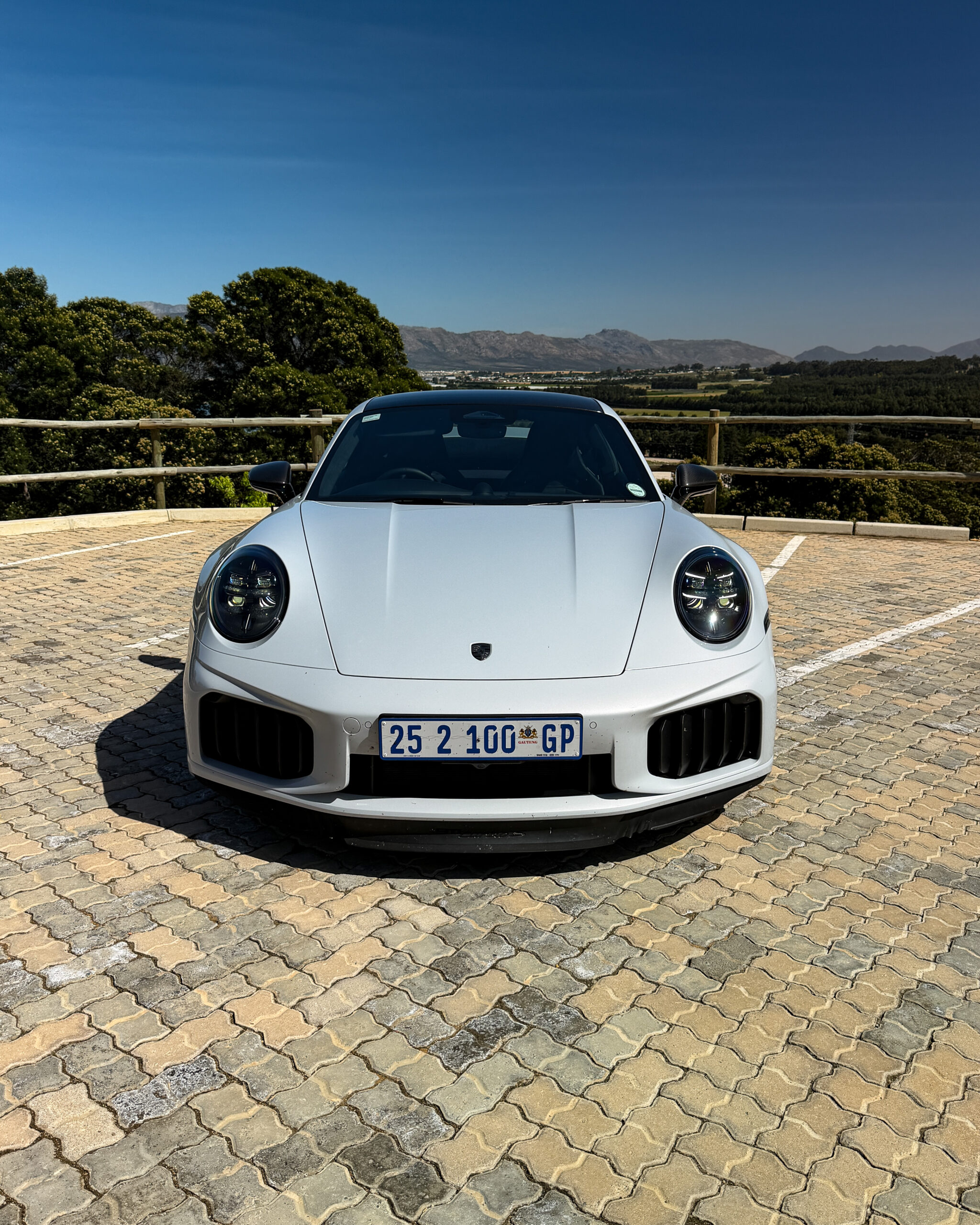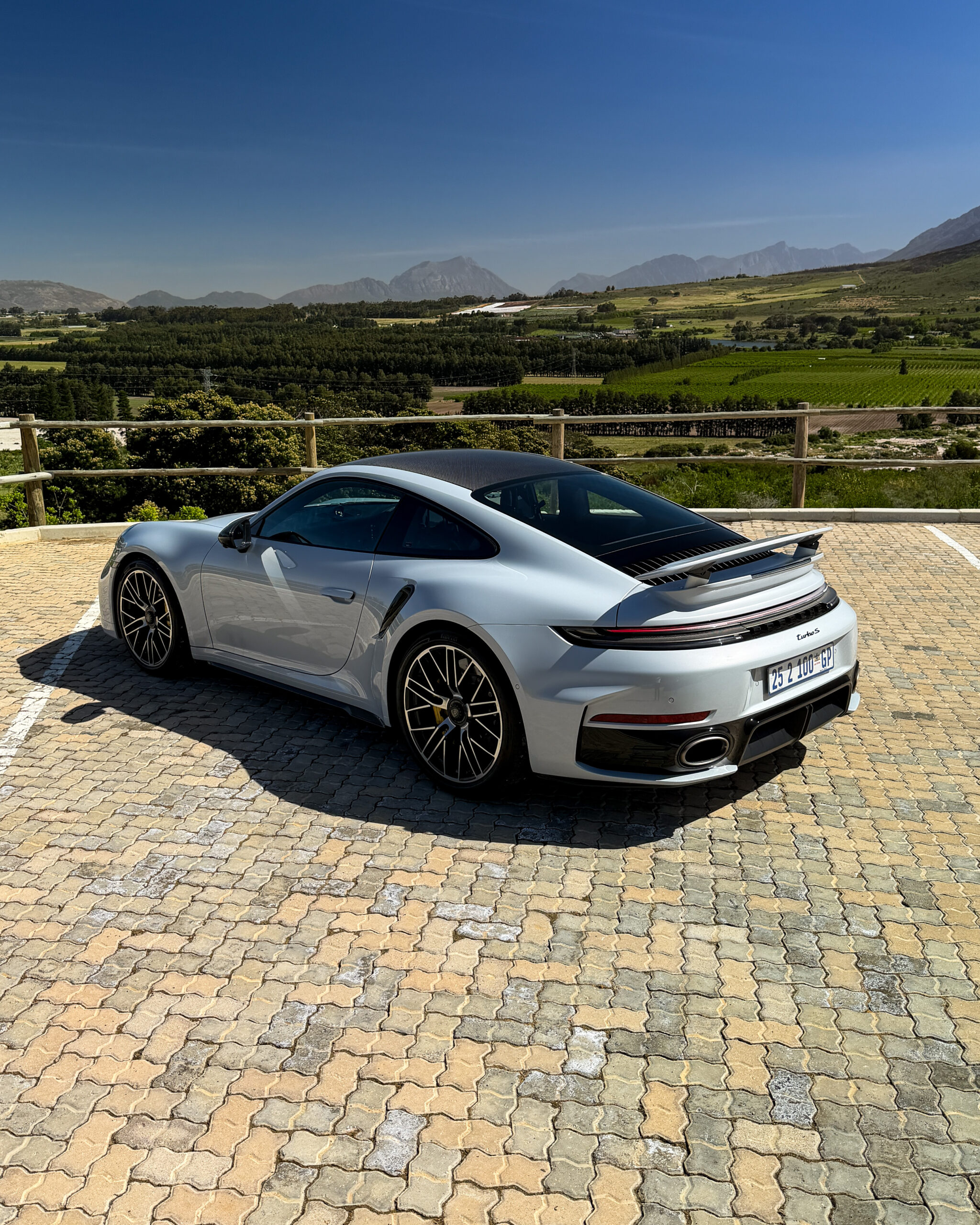
There are fast cars, seriously fast cars, and then there is the new Porsche 911 Turbo S. The latest 992.2 generation has arrived with more power, some clever hybrid technology and performance figures that would have seemed ridiculous for a road-going 911 not too long ago.
With 701 hp (523 kW), all-wheel drive and a 0 to 100 km/h time of just 2.5 seconds*, this is now the most powerful production 911 ever built.
But the numbers only tell part of the story. What makes the Turbo S so special is not necessarily how quickly it can accelerate, but how effortlessly it delivers that performance while remaining comfortable enough to drive every day.
More Power, More Technology and Almost No Turbo Lag
The biggest change sits behind the rear axle, where Porsche has introduced a new 3.6-litre flat-six engine featuring its T-Hybrid technology.
Unlike the previous Turbo S, which relied on conventional turbocharging, the latest model uses two electrically assisted turbochargers. Small electric motors help spin the turbos almost instantly, dramatically reducing the delay between pressing the accelerator and getting the response you want.
The system also includes a compact electric motor integrated into the eight-speed PDK transmission, along with a 1.9 kWh battery and a 400-volt electrical architecture.
Combined output stands at 701 hp (523 kW), an increase of 60 hp (45 kW) over its predecessor. Maximum torque remains at a substantial 800 Nm, available from just 2,300 rpm all the way through to 6,000 rpm.
On paper, that sounds impressive. On the road, it translates into acceleration that is difficult to properly describe without sounding completely ridiculous. Equipped with a Dragy, we achieved a verified 0 to 100 km/h (62mph) time of 2.42s.
There is virtually no waiting for the power to arrive. Whether pulling away from a standstill or accelerating out of a corner, the response is immediate and the surge of performance seems almost endless.
The eight-speed PDK deserves plenty of credit too. Gear changes are exceptionally quick, and the transmission always seems to know exactly what is required. You can take control using the paddles, but leaving it to its own devices rarely feels like the wrong decision.
Performance That Borders on the Absurd
The Turbo S has always been devastatingly quick, but this latest version takes things a significant step further. Despite gaining 85 kg over its predecessor, bringing the weight to 1,725 kg, the additional performance more than compensates.
Perhaps the most telling statistic is its Nürburgring lap time of 7:03.92, a staggering 14 seconds quicker than the previous model.
What stands out is just how accessible all that speed feels. You do not need to be a professional racing driver to appreciate what this car can do. The all-wheel-drive system finds astonishing amounts of traction, allowing the Turbo S to deploy its considerable power without constantly fighting for grip.
Plant your right foot and the acceleration is relentless. There is no dramatic build-up or hesitation, just an enormous shove that continues well beyond speeds you should be exploring on public roads.
It is the sort of performance that makes overtaking almost laughably easy, although the speedometer demands considerably more attention than usual.
Far More Than a Straight-Line Weapon
It would be easy to assume that a 701 hp (523 kW) 911 with hybrid assistance and all-wheel drive would feel somewhat clinical through the corners. That could not be further from the truth.
The steering remains wonderfully accurate, with enough feedback to give you confidence in what the front tyres are doing. Rear-axle steering helps the car change direction with surprising agility, particularly considering the amount of performance and technology packed into it.
Porsche’s electro-hydraulic roll-control system, known as PDCC, is another important addition. Powered by the 400-volt hybrid system, it actively manages body movement to keep the car remarkably flat through corners. The result is a 911 that feels exceptionally planted without becoming unnecessarily harsh.
Grip comes from substantial Pirelli P Zero tyres, measuring 255/35 ZR20 at the front and 325/30 ZR21 at the rear.
Then there are the brakes. Porsche has fitted enormous ceramic discs measuring 420 mm at the front and 410 mm at the rear, the largest ever installed on one of its two-door road cars. Stopping performance is every bit as impressive as the acceleration, with excellent stability and reassuring pedal feel even under serious braking.
The Turbo S is not quite as raw or involving as a GT3, but that is not really the point. Where the GT3 demands more from its driver, the Turbo S makes extraordinary performance feel almost effortless.
Surprisingly Comfortable When You Slow Down
Perhaps the greatest achievement of the new Turbo S is how quickly it can change character.
Select Normal mode, ease off the throttle and suddenly you are driving something that feels remarkably civilised. The suspension deals with imperfect road surfaces without punishing occupants, the cabin is well insulated and the engine settles into the background when you are not asking much of it. Even heavy traffic is unlikely to become a chore. That is something many similarly powerful supercars simply cannot offer.
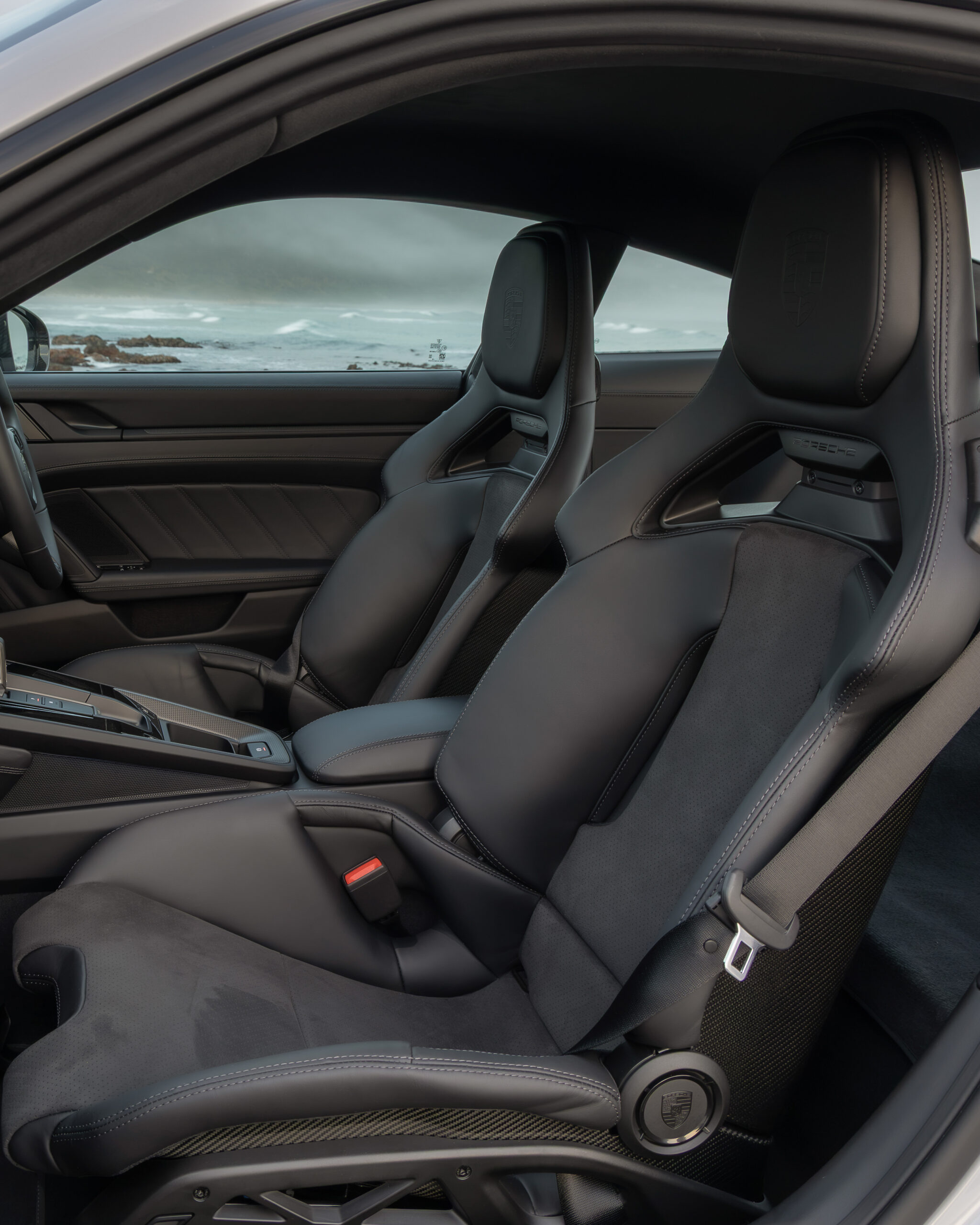
The test unit was fitted with the optional carbon-fibre bucket seats providing a more focused experience but the standard 18-way adjustable Sports Seats Plus are probably the more sensible choice should you want to use it as a daily.
There is also a surprising amount of practicality. The front luggage compartment offers 128 litres of storage, while the space behind the front seats can accommodate additional bags.
Rear seats can even be specified on the Coupé at no additional cost. It is still a 911, so nobody should expect family SUV levels of practicality, but there is enough flexibility to make weekend trips and daily driving entirely realistic.
Familiar 911 Styling With a More Aggressive Edge
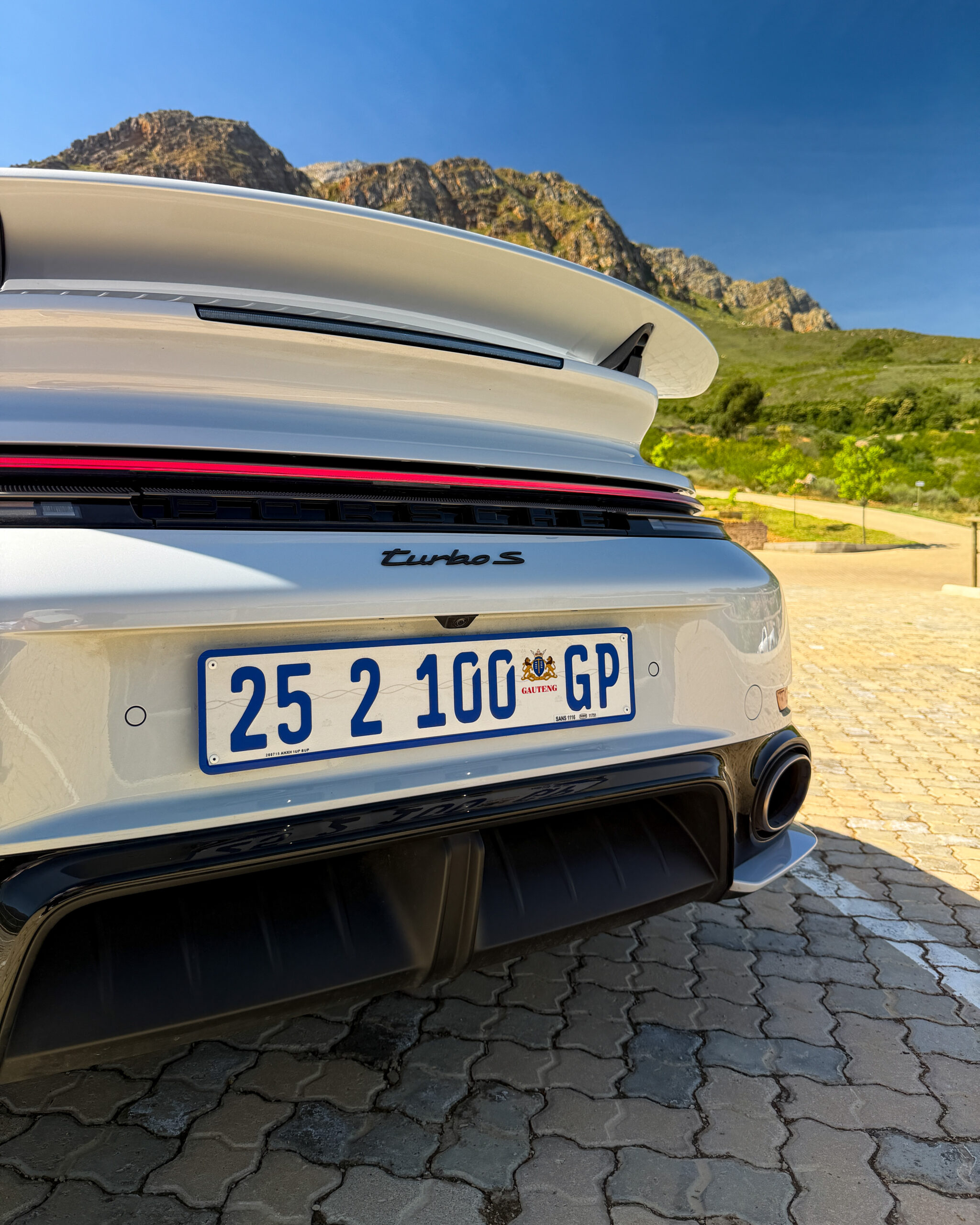
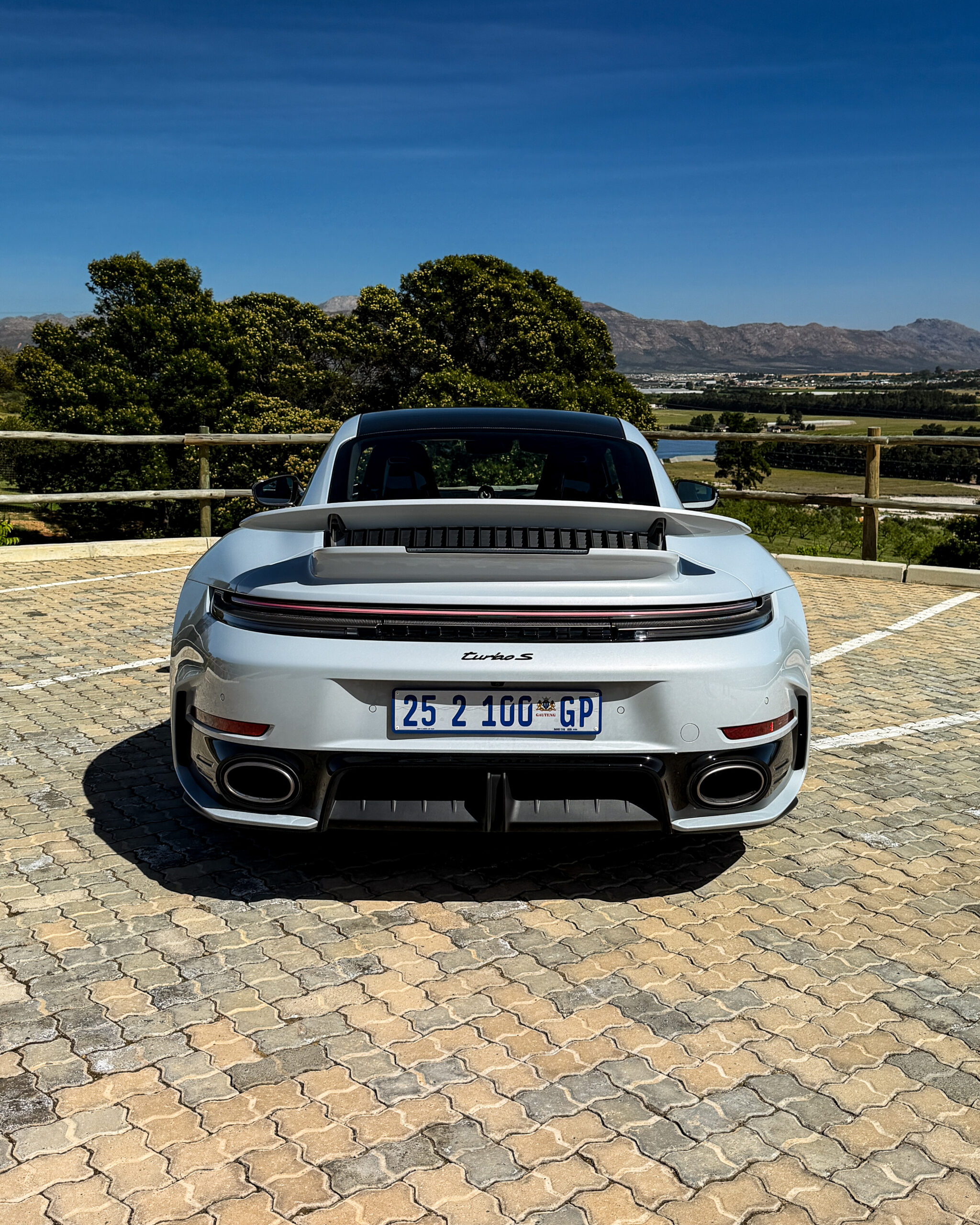
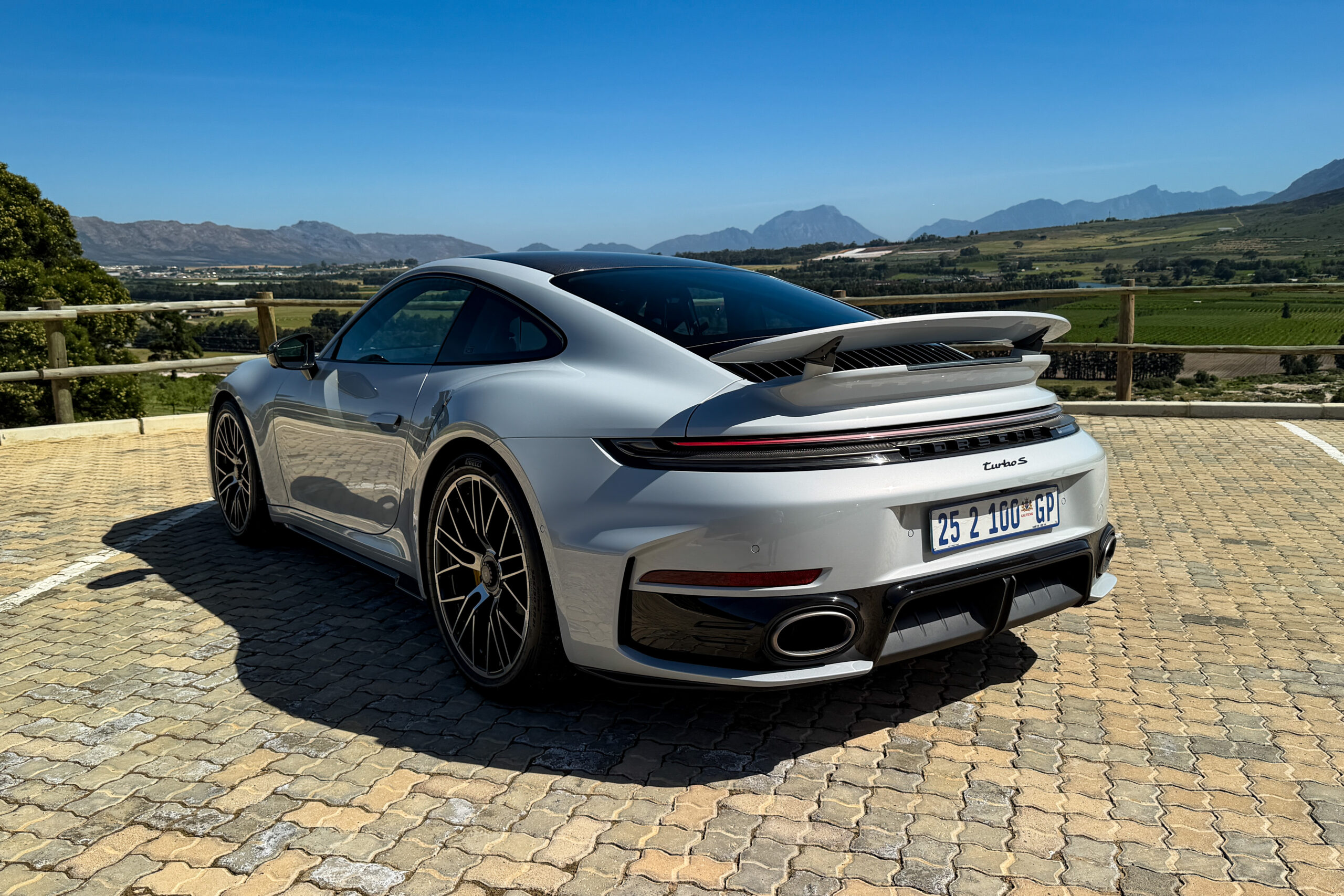
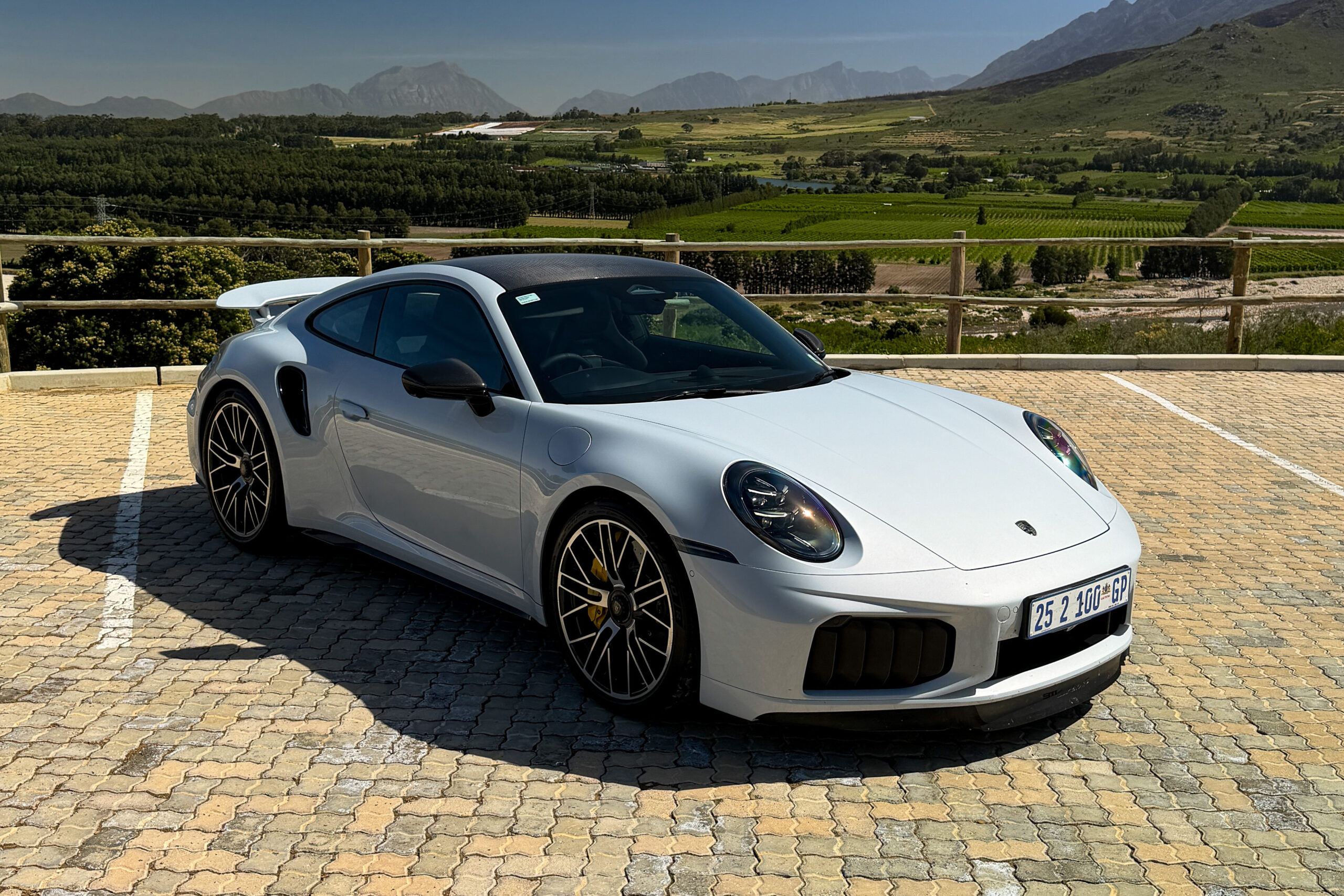
Porsche has wisely avoided reinventing the Turbo S visually. The familiar wide rear haunches, prominent side air intakes and unmistakable rear wing remain, but several subtle changes give the updated model a sharper appearance.
Active aerodynamic components include adjustable cooling flaps, a front diffuser, a movable front spoiler and an adaptable rear wing. Together, they manage airflow according to speed and driving conditions.
Turbonite detailing provides another distinctive touch, appearing on the badges, wheels and various exterior elements.
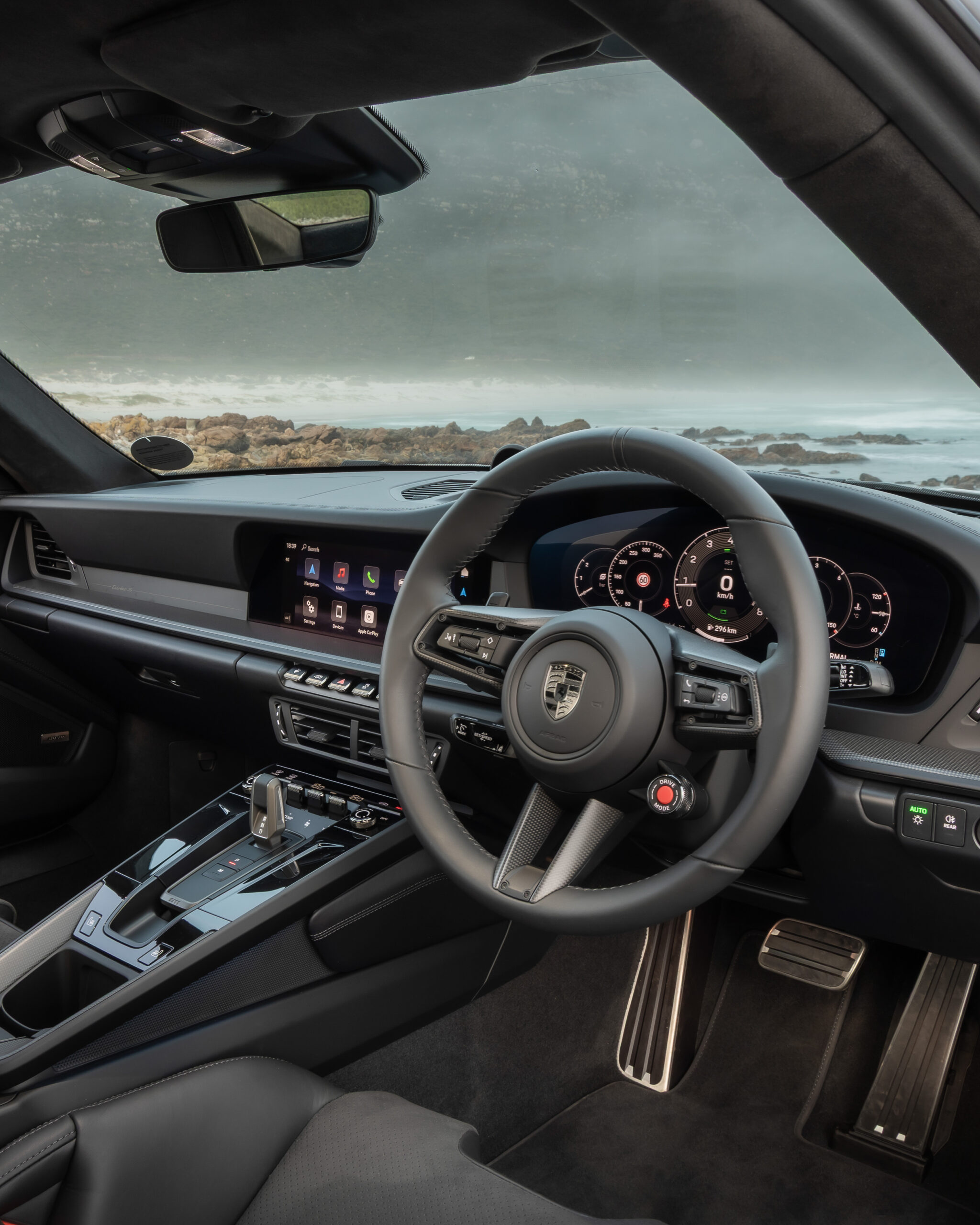
Inside, the same finish continues across the dashboard, steering wheel and other trim pieces, complemented by carbon-fibre accents and high-quality materials.
The digital instrument cluster and 10.9-inch infotainment display bring the expected technology, while physical controls remain for several frequently used functions.
Is the Porsche 911 Turbo S Worth R5.7 Million?
In South Africa, the new Porsche 911 Turbo S Coupé starts at R5,722,000, while the Cabriolet comes in at R5,991,000. Both include a five-year/100,000 km maintenance plan. The test unit came in at just over R6,3m thanks to the R132k Lightweight Sport bucket seats, R95k carbon roof and a few other options. Those are enormous numbers, especially when you consider just how capable the rest of the 911 range has become.
However, the Turbo S occupies a rather unique position. It offers acceleration that can trouble considerably more exotic machinery, genuine cornering ability and the sort of everyday usability that makes owning one far less complicated than many of its rivals.
Of course, there are more emotional sports cars. The GT3 delivers a soundtrack and level of driver involvement that the Turbo S cannot quite replicate. But the Turbo S counters with breathtaking acceleration, enormous reserves of grip and a level of refinement that makes it a remarkably complete package.
And that is ultimately what makes it so appealing. You could drive it to work, take it away for a weekend and then head to a racetrack where it would embarrass machinery costing considerably more.
There are very few cars capable of doing all three quite so convincingly.
The new Porsche 911 Turbo S is not necessarily the most exciting 911 in every situation, but it might just be the most complete performance car Porsche currently makes.
At this level, that is quite an achievement.